


 Sudan Rejects US Legitimacy Remarks, Defends Sovereignty
  Russian Missile and Drone Attack on Kyiv Kills Two, Damages Maternity Hospital
  Trump, Xi Focus on Trade and AI at White House Summit
  US Backs Musk in Fight Against EU’s €120 Million X Fine
  Yemen Violence Displaces 130,000 as Civilian Toll Rises
  Netanyahu Defends Israel at UN as Delegates Stage Walkout
  South Korea, US Discuss Warship Building Cooperation
  Judge Orders Trump to Restore White House Access for CNN, MS NOW and Politico
  US, China Extend Trade Truce to Jan. 10 Ahead of Trump-Xi Summit
  Taiwan Thanks US for Support Ahead of Trump-Xi Summit
  Russian Envoy Dmitriev Heads to US for Ukraine Talks
  US Officials Split Over Response to Israeli West Bank Settlements
  Gaza Faces Evacuation Crisis as War-Damaged Buildings Risk Collapse
  North Korea Warns South Korea Over US-Led Defense Role
  US Invites Putin to Miami G20, Opening Door to Trump Summit
  Mexico-US Trade Talks Delayed to October as Tariff Negotiations Continue
  NATO Boosts Intelligence Sharing Amid Russia Hybrid Threats


 Add as a preferred source on Google
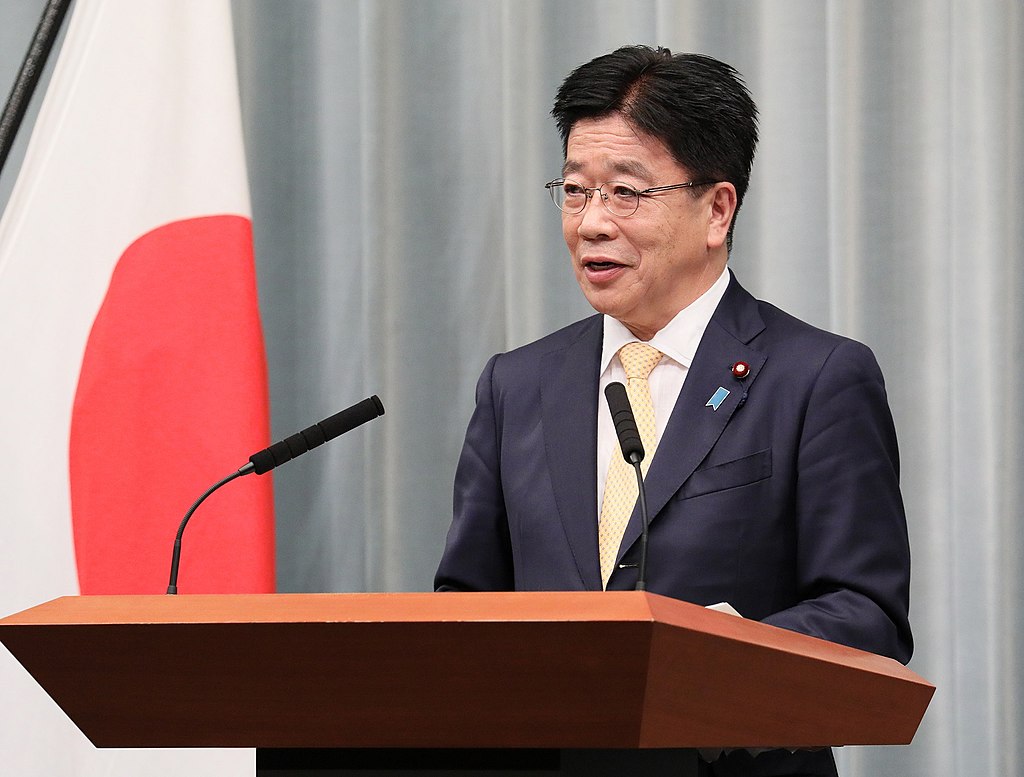
Japan’s Finance Minister Katsunobu Kato stressed the importance of close communication with U.S. Treasury Secretary Scott Bessent to ensure stability in foreign exchange markets. Speaking in parliament on Monday, Kato highlighted the significance of bilateral dialogue, especially as concerns rise over the potential impact of U.S. inflation driven by President Donald Trump’s aggressive tariff policies.
Kato emphasized that Japan and the United States share a consensus that exchange rates should be market-driven. He noted that both sides agree excessive or disorderly currency movements can harm economic and financial stability. “Based on this consensus, we would proactively communicate with the United States,” he said.
His remarks come in response to Trump’s recent comments that he warned Japan and China against deliberately weakening their currencies to gain trade advantages. Despite Trump’s concerns, the Japanese yen has appreciated by around 4% against the U.S. dollar this year, and Tokyo insists it has not devalued its currency.
Kato reaffirmed Japan’s position, stating that the government would continue to coordinate closely with Washington on exchange rate issues. He added that bilateral discussions with Secretary Bessent could take place at international gatherings such as the Group of Seven (G7) finance meetings.
Kato’s commitment to dialogue reflects Japan’s efforts to maintain trust and transparency with global partners amid rising geopolitical and economic tensions. As currency markets remain sensitive to U.S. policy changes, Tokyo is positioning itself as a cooperative and stable player in global finance.
The reaffirmation of market-based currency policy and the push for steady communication with the U.S. are expected to reassure investors and contribute to long-term market stability.







