


 US 10-Year Treasury Yield at 6% Emerges as New Market Risk Threshold
  Japanese Bank Stocks Surge as Bond Yields Fuel Rate Hike Bets
  Wall Street Ends Flat as Oil, Treasury Yields and Fed Jitters Rattle Markets
  European Stocks Fall as Bond Yields and Geopolitical Risks Weigh
  Gold Prices Fall as Treasury Yields Rise on Fed Rate Hike Bets
  Gold Holds Near $4,275 as Rising Treasury Yields Fuel Fed Rate Hike Bets
  Oil Prices Fall on U.S.-Iran Hormuz Deal Hopes
  China Agrees to Buy 20 Million Tons of U.S. Coal
  Fed Unveils Stablecoin Rules Under GENIUS Act
  Fed Unveils Stablecoin Rules Under GENIUS Act
  Dollar Falls as Oil Eases, Yen Jumps on Intervention Signals
  Dollar Holds Near Two-Month High as Yen Approaches 160
  US Stock Futures Fall as Treasury Yields Surge Ahead of Trump-Xi Summit
  Germany’s 2026 Growth Outlook Strengthens on Fiscal Spending
  Mexico-US Trade Talks Delayed to October as Tariff Negotiations Continue
  Oil Prices Jump 3% as Houthi Attack Revives Supply Fears
  Asian Stocks Fall as Bond Yields Surge Ahead of Trump-Xi Summit


 Add as a preferred source on Google
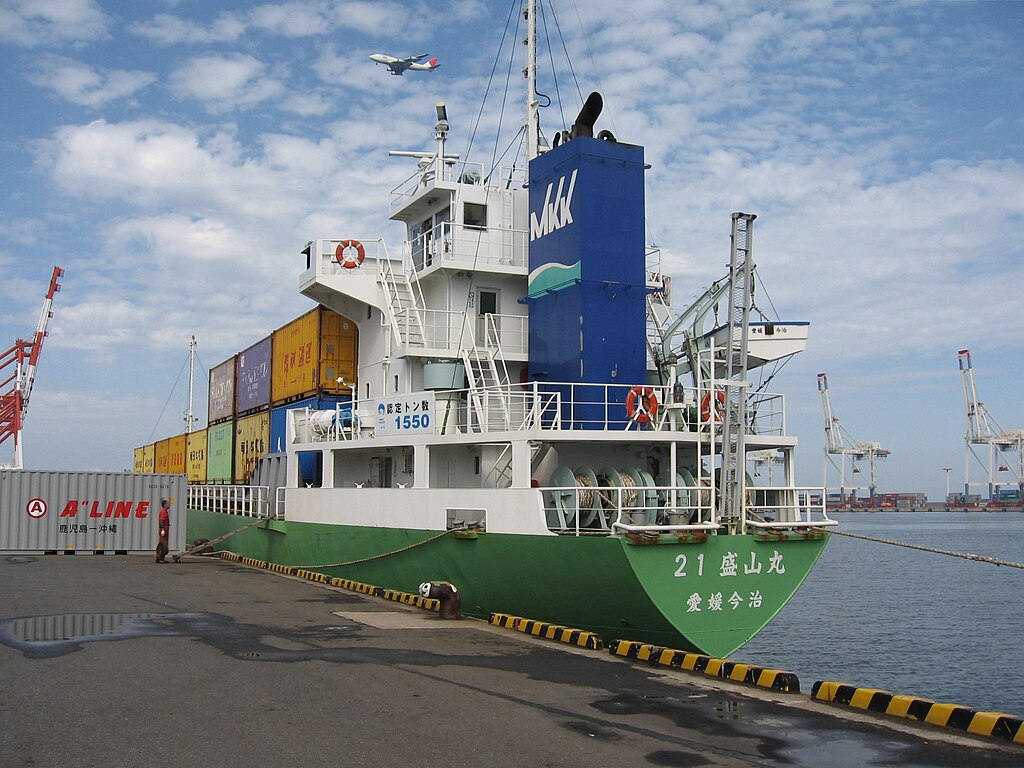
Japan’s export growth slowed in April, highlighting rising pressure from U.S. tariffs imposed by President Donald Trump. Total exports grew 2% year-on-year, down from 4% in March, according to the Ministry of Finance. The decline was largely driven by a 1.8% drop in shipments to the United States, Japan’s top export destination, marking the first decline in four months.
Automobile exports to the U.S. fell 4.8% in value amid rising yen effects and reduced demand for high-end models. Analysts suggest Japanese automakers rushed shipments before the tariffs took effect, with a reversal now underway. The tariffs—currently at 10%, with auto tariffs set to rise to 24% in July—pose a serious threat to Japan’s fragile recovery.
Ryosei Akazawa, Japan’s chief trade negotiator, is scheduled to meet U.S. officials this week in Washington for a third round of trade talks. However, hopes for major concessions, especially on auto tariffs, remain low.
While exports to Asia rose 6%, shipments to China slipped 0.6% due to weak demand for cars and electronics. Imports fell 2.2%, less than expected, resulting in a trade deficit of 115.8 billion yen ($802.77 million).
Despite the export drop, Japan’s trade surplus with the U.S. widened by 14.3% to 780.6 billion yen, potentially drawing more scrutiny from Washington. Finance Minister Katsunobu Kato is expected to meet U.S. Treasury Secretary Scott Bessent during a G7 summit to discuss trade and currency issues.
Economists warn the uncertain tariff landscape could stall investment and deepen Japan’s slowdown. The Bank of Japan, already facing downgraded growth forecasts, is expected to delay interest rate hikes amid growing global trade risks.







