


 US Senate Rejects Iran War Powers Resolution in 50-49 Vote
  Netanyahu Defends Israel at UN as Delegates Stage Walkout
  EU Defence Build-Up Too Slow for 2030 Russia Readiness Goal
  Netanyahu Takes Aim at Mamdani as Israel Election Nears
  NATO Boosts Intelligence Sharing Amid Russia Hybrid Threats
  US Officials Split Over Response to Israeli West Bank Settlements
  Netanyahu’s Brief US Trip Highlights Strains With Trump
  Ghana Says Western Support Growing for Slave Trade Reparations
  US Backs Musk in Fight Against EU’s €120 Million X Fine
  Yemen Violence Displaces 130,000 as Civilian Toll Rises
  North Korea Warns South Korea Over US-Led Defense Role
  Abbas Reaffirms November 28 Palestinian Elections
  Kremlin Says No Decision Yet on Putin-Trump December Summit
  US Invites Putin to Miami G20, Opening Door to Trump Summit
  Russian Missile and Drone Attack on Kyiv Kills Two, Damages Maternity Hospital
  Judge Orders Trump to Restore White House Access for CNN, MS NOW and Politico
  France Defends Netanyahu Airspace Clearance Despite ICC Warrant


 Add as a preferred source on Google
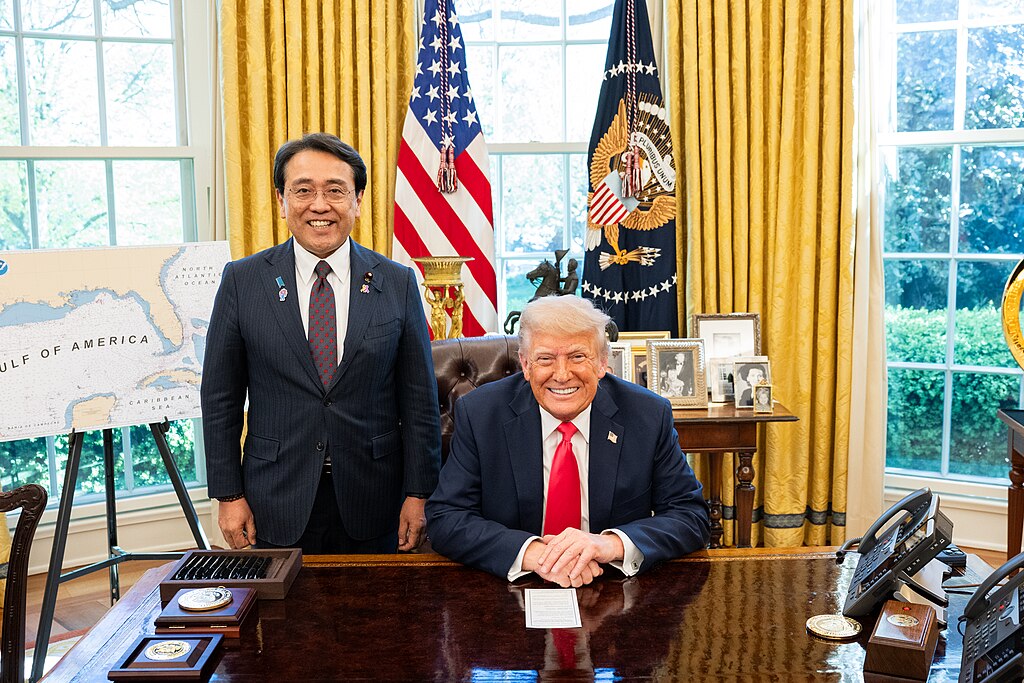
Japan’s Economy Minister Ryosei Akazawa is set to travel to Washington from April 30 to May 2 for a second round of high-stakes negotiations with U.S. officials regarding tariffs on Japanese exports, according to media reports. The visit, confirmed by sources cited by Reuters, aims to address ongoing trade tensions that have strained Japan’s manufacturing sector.
The talks are expected to take place on May 1, pending final scheduling with U.S. counterparts, Japan’s national broadcaster NHK reported earlier. During the initial round of discussions held earlier this month in Washington, Minister Akazawa urged the Biden administration to lift punitive tariffs on Japanese automobiles and certain steel products.
Japanese auto exports currently face a 25% U.S. tariff, while a 24% tariff on select steel imports remains paused but unresolved. These trade barriers have significantly impacted Japanese manufacturers, particularly in the automotive and steel industries—both of which are central to Japan’s export economy.
Despite Japan’s appeal for relief, the Trump administration, which imposed the tariffs, maintained that it cannot offer preferential treatment solely to Japan, according to NHK. The issue remains a critical point of contention as both sides seek a more balanced trade framework.
Akazawa’s upcoming visit underscores Tokyo’s urgency in resolving tariff-related challenges and securing more favorable trade conditions. The outcome could have broad implications not only for Japan-U.S. trade relations but also for global supply chains affected by protectionist policies.
With geopolitical and economic pressures mounting, this second round of negotiations will be closely watched by industry stakeholders and international observers alike, as Japan pushes to protect its key export sectors and foster fairer bilateral trade dynamics.







