


 Visa Wins China Approval to Prepare Domestic Payments Expansion
  How to support someone who is grieving: five research-backed strategies
  Nasdaq Falls as Oil Prices Surge Ahead of Bank Earnings
  Bumble Shares Surge 50% on $1 Billion Buyout Talks
  MNX Crypto Exchange Launches Futures for OpenAI, Anthropic Valuations
  Why a ‘rip-off’ degree might be worth the money after all – research study
  1 in 3 uni students experience serious financial hardship. Could concession cards for all help?
  China Bank Lending Rebounds in September, Beats Forecasts
  Nvidia Invests in Four French AI Companies to Expand European Presence
  Arm Shares Fall Over 3% After Qualcomm Wins License Dispute
  Oil Prices Fall as Russia Signals Higher Diesel Exports
  Why have so few atrocities ever been recognised as genocide?
  European Auto Stocks Rise as EU-China Trade Deal Targets Hybrid Imports
  Bank of America Hit With $1.2 Billion Fine Over Money Laundering Failures
  Wall Street Closes Lower as Bank Earnings and AI Concerns Weigh
  ‘Buy now, pay later’ doesn’t feel like debt. For young people, that can be a big problem
  Disaster or digital spectacle? The dangers of using floods to create social media content


 Add as a preferred source on Google
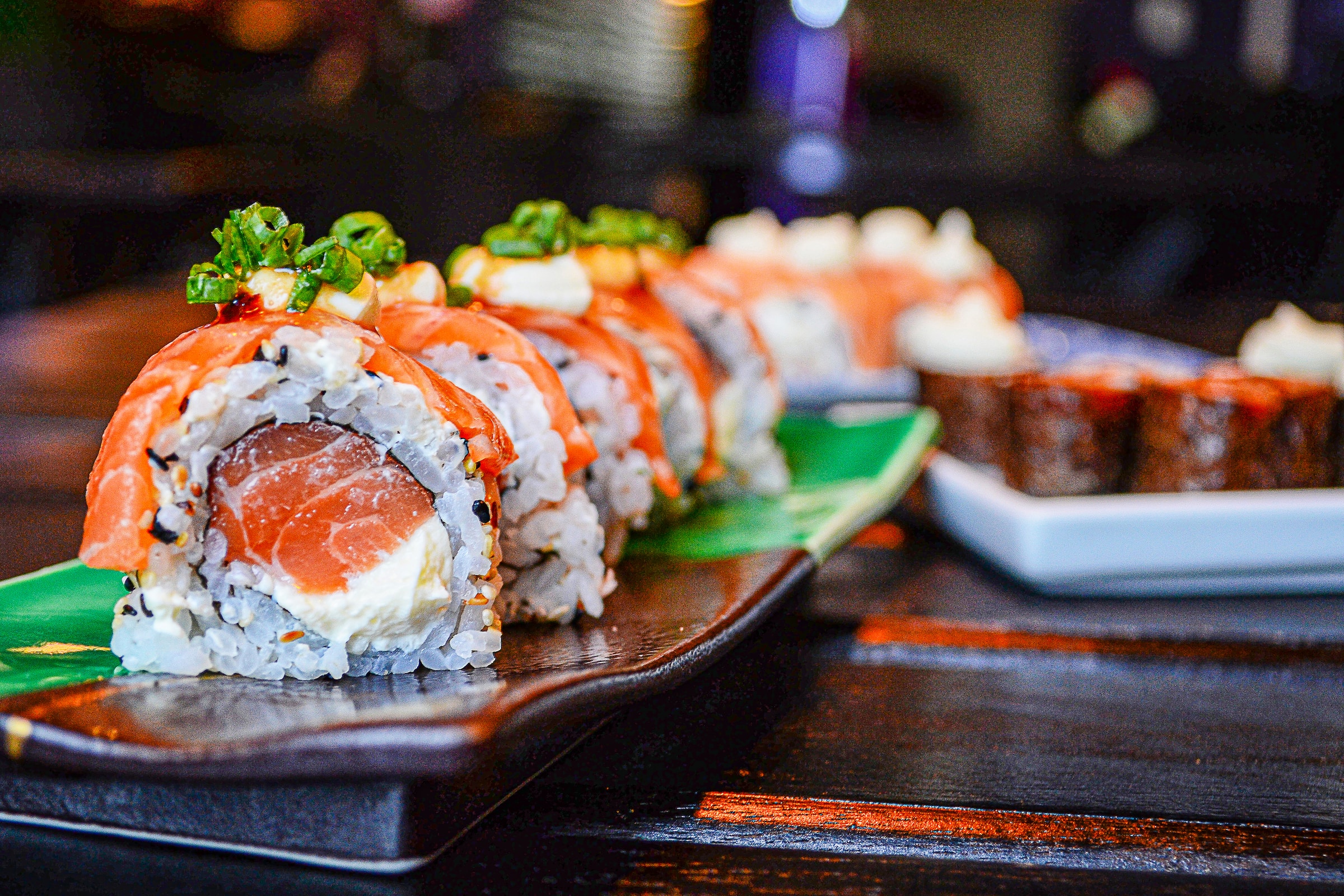
Kura Sushi, the renowned conveyor-belt sushi chain, announced plans for its global expansion with three new outlets, two in Massachusetts and one in Shanghai, signifying a pivotal step in its ambitious strategy to establish 400 international locations, including 100 in China, over the next decade.
Kura Sushi's latest expansion delivers three new restaurant locations—in Shanghai and two in Massachusetts—to add fuel to the rocketing demand for this delicious, nutritious, and distinctly Japanese cuisine.
The restaurant chain, looking to enrich sushi devotees further worldwide, is set to dominate the sushi scene with 400 international locations, including 100 in Mainland China, over the next decade. Following the grand opening in Shanghai, Kura Sushi plans to introduce two more locations next month and later this year.
Industry research leader GlobalData estimates continuous, explosive growth in the domestic food service sector, reaching a 10% value compound annual growth rate (CAGR) from 2023-2027. According to Bobby Verghese, consumer analyst at GlobalData, "Japanese food service operators are setting their sights on bluer oceans abroad, particularly larger overseas markets with high-spending crowds, such as China and the US, which offer more dollar revenue opportunities than Japan. By expanding overseas, these operators can thereby accelerate their post-Covid-19 recovery and ensure long-term business continuity."
While Japan reigns as the larger market for sushi QSRs, the Chinese sushi scape is expected to catch up in the coming years. Tim Hill, key account director at GlobalData Singapore, reports, "However, any fresh geopolitical conflicts between Japan and China can mar the performance of the Chinese outlets."
Kura Sushi has a long history of exceeding customers' expectations with a blend of technology and gastronomy. Kura Sushi's state-of-the-art technology replaces the traditional server-customer interaction with a revolutionary approach. Instead, customers can enjoy the experience by grabbing plates directly from the conveyor belt or ordering through an interactive touchscreen, automatically selecting their dishes to have them delivered to their table.
Adding to the extraordinary experience are the Kur-B robots, who deliver drinks to customers' tables. Winning rewards is made easy, with customers depositing plates directly into tableside slots to win exciting prizes.
With an innovative pricing model, Kura Sushi ensures everyone can enjoy their dream sushi without breaking their budget. All sushi plates are priced the same, at $3.70, while other dishes, such as ramen, udon, and chicken, may vary in price.
Photo: Vinicius Benedit/Unsplash







