


 Oil Prices Fall as Russia Signals Higher Diesel Exports
  Parasites are ecological dark matter – and they need protecting
  China Bank Lending Rebounds in September, Beats Forecasts
  Fed’s Williams Sees One More Rate Hike in 2026, None in 2027
  S&P 500 Futures Rise Ahead of US Inflation Data and Bank Earnings
  New York Times, AFP Join Coalition to Protect Content From AI
  RBA Signals More Rate Hikes as Inflation Risks Rise
  Unsustainable – or manageable? We don’t yet know how data centres will impact Australia’s environment
  Ukraine minerals deal: the idea that natural resource extraction can build peace has been around for decades
  Bank of America Hit With $1.2 Billion Fine Over Money Laundering Failures
  GesiaPlatform Launches Carbon-Neutral Lifestyle App ‘Net Zero Heroes’
  Rice feeds billions of people – but its role in fueling climate change is growing
  S&P 500 Rally Masks Losses for Over 40% of Stocks in 2026
  Arm Breaches Qualcomm License Deal, Jury Awards $2


 Add as a preferred source on Google
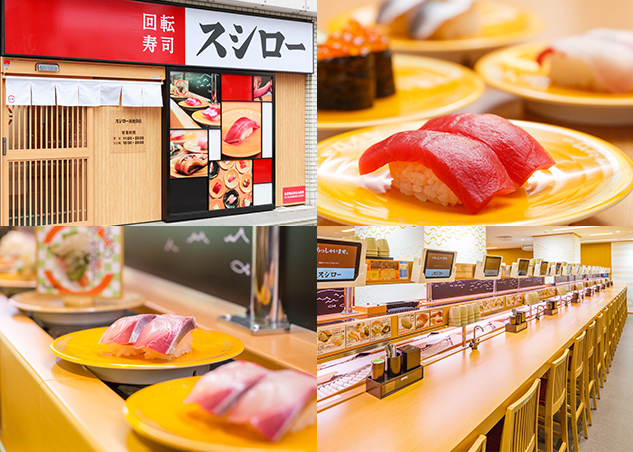
Food & Life Companies Ltd. (F&LC), the operator of the Japanese conveyor belt sushi chain Sushiro, will supply its waste cooking oil to create sustainable aviation fuel (SAF).
F&LC said it will be the first leading restaurant chain operator to provide waste cooking oil for the production of aviation fuel on a nationwide scale.
According to F&LC, it intends to work with other enterprises to supply cooking oil used at its restaurants nationwide.
F&LC will begin making the fuel in fiscal 2024 to provide a steady supply to Japanese airlines in 2025.
F&LC signed a basic agreement with plant contractor JGC Holdings Corp., Revo International Inc., which recycles used cooking oil, and SAF maker Saffaire Sky Energy in early April.
Oil waste generated from the cooking of French fries, tempura, and other fried food will be recovered from the 680 outlets of Sushiro as well as the Sugidama “izakaya” Japanese-style gastro pub chain under the F&LC umbrella.
The company projected that 900,000 liters of waste cooking oil will be collected annually.
SAF emits less carbon dioxide (CO2) than jet fuel made from petroleum.
The Japanese government has set a goal of replacing 10 percent of fuel consumption by airlines in country with SAF by 2030.
Almost all SAF used in Japan currently originates from overseas. The proportion of domestically produced SAF is lower than 1 percent.







