


 Fed Unveils Stablecoin Rules Under GENIUS Act
  European Stocks Fall as Bond Yields and Geopolitical Risks Weigh
  Japanese Yen Rebounds as Trump Flags Currency Weakness
  UK PM Burnham to Unveil Economic Vision at Labour Conference
  China Agrees to Buy 20 Million Tons of U.S. Coal
  Australia Unemployment Hits Five-Year High Despite Strong Jobs Growth
  Wall Street Ends Flat as Oil, Treasury Yields and Fed Jitters Rattle Markets
  Oil Prices Jump 3% as Houthi Attack Revives Supply Fears
  U.S. Dollar Hits Two-Month High as Oil, Treasury Yields Surge
  Asian Stocks Fall as Surging Bond Yields Rattle Markets
  Germany’s 2026 Growth Outlook Strengthens on Fiscal Spending
  RBI Uses $10 Billion Currency Swaps to Drain Excess Rupee Liquidity
  Dollar Holds Near Two-Month High as Yen Approaches 160
  Fed’s Hammack Says Bond Yield Surge Is Not Driven by Inflation Fears
  US 10-Year Treasury Yield at 6% Emerges as New Market Risk Threshold
  Trump, Xi Focus on Trade and AI at White House Summit
  Canadian Dollar Faces Pressure as Fed-BoC Policy Gap Widens


 Add as a preferred source on Google
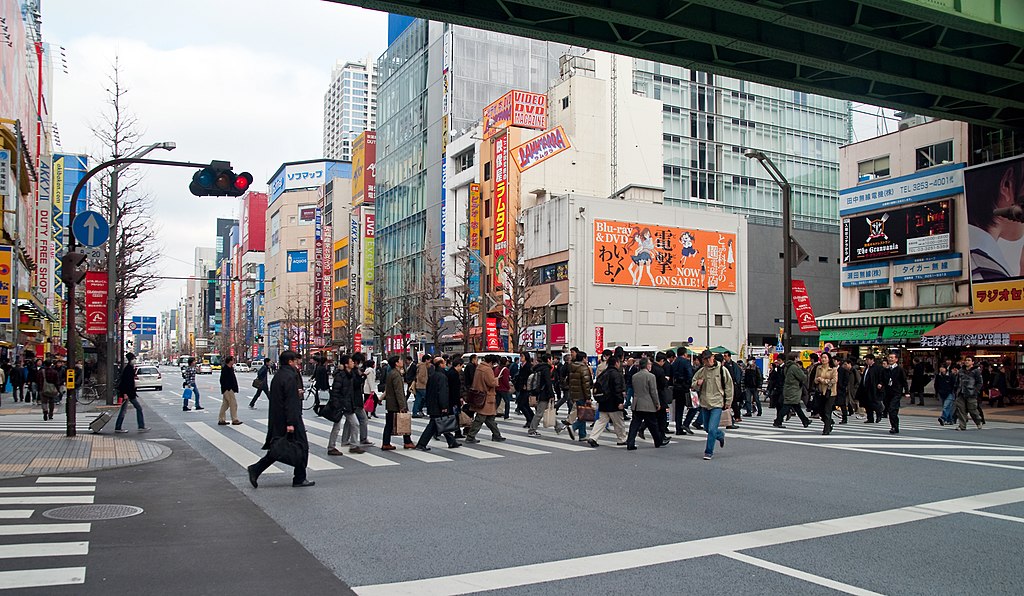
Most Japanese companies are staying the course despite U.S. President Donald Trump’s tariffs, according to a Reuters survey conducted by Nikkei Research between June 4–13. Among 220 responding firms, 71% said the impact of the tariffs was within expectations, and 84% reported no plans to change their investment strategies for the April–March business year. This resilience reflects long-term investment priorities, as one machinery manufacturer stated, “If we don’t carry on, we’ll lose out to other Asian countries.”
The U.S. has imposed a 10% tariff on many goods and threatens a 24% tariff on Japanese exports unless a deal is reached by July. A 25% tariff on cars remains a key concern, particularly for Japan’s auto-reliant economy.
Domestically, Japan’s sales tax policy is sparking debate ahead of the July upper house elections. While food and newspapers are taxed at 8%, most goods face a 10% rate. Proposals from opposition parties suggest reducing the food tax to zero temporarily to combat inflation, a move opposed by Prime Minister Shigeru Ishiba. Critics argue sales tax funds social security, especially crucial as Japan faces an aging population.
Opinions remain divided: 40% oppose tax cuts, while others support a temporary reduction to boost consumption. However, 63% of respondents reject using government bonds to cover any revenue gap, citing rising social security costs.
On political preference, 32% support maintaining the ruling Liberal Democratic Party–Komeito coalition, while 20% favor adding the Democratic Party for the People, which saw significant gains in the lower house last year.
Despite global and domestic pressures, Japanese businesses appear focused on long-term competitiveness and fiscal responsibility, prioritizing stability amid uncertainty.







