


 Gold Prices Fall as Treasury Yields Rise on Fed Rate Hike Bets
  Asian Currencies Mixed as Dollar Holds Near Two-Month High
  US Dollar Hits Two-Month High as Fed Rate Hike Bets Rise
  Oil Prices Ease as Iran Tensions Clash With Diplomacy Hopes
  Fed Unveils Stablecoin Rules Under GENIUS Act
  Russian Envoy Dmitriev Heads to US for Ukraine Talks
  South Korea, US Discuss Warship Building Cooperation
  Oil Prices Surge as U.S.-Iran Diplomacy Hopes Fade
  Oil Prices Jump 3% as Houthi Attack Revives Supply Fears
  Soybean Futures Slip as Traders Await Trump-Xi Trade Signals
  U.S. 10-Year Treasury Yield Hits 2007 High as Fed Rate Hike Bets Rise
  RBI Uses $10 Billion Currency Swaps to Drain Excess Rupee Liquidity
  Wall Street Ends Flat as Oil, Treasury Yields and Fed Jitters Rattle Markets
  Wall Street Falls as Treasury Yields Surge, Oil Rebounds on Iran Tensions
  U.S. Dollar Hits Two-Month High as Oil, Treasury Yields Surge
  US, China Extend Trade Truce to Jan. 10 Ahead of Trump-Xi Summit
  US 10-Year Treasury Yield at 6% Emerges as New Market Risk Threshold


 Add as a preferred source on Google
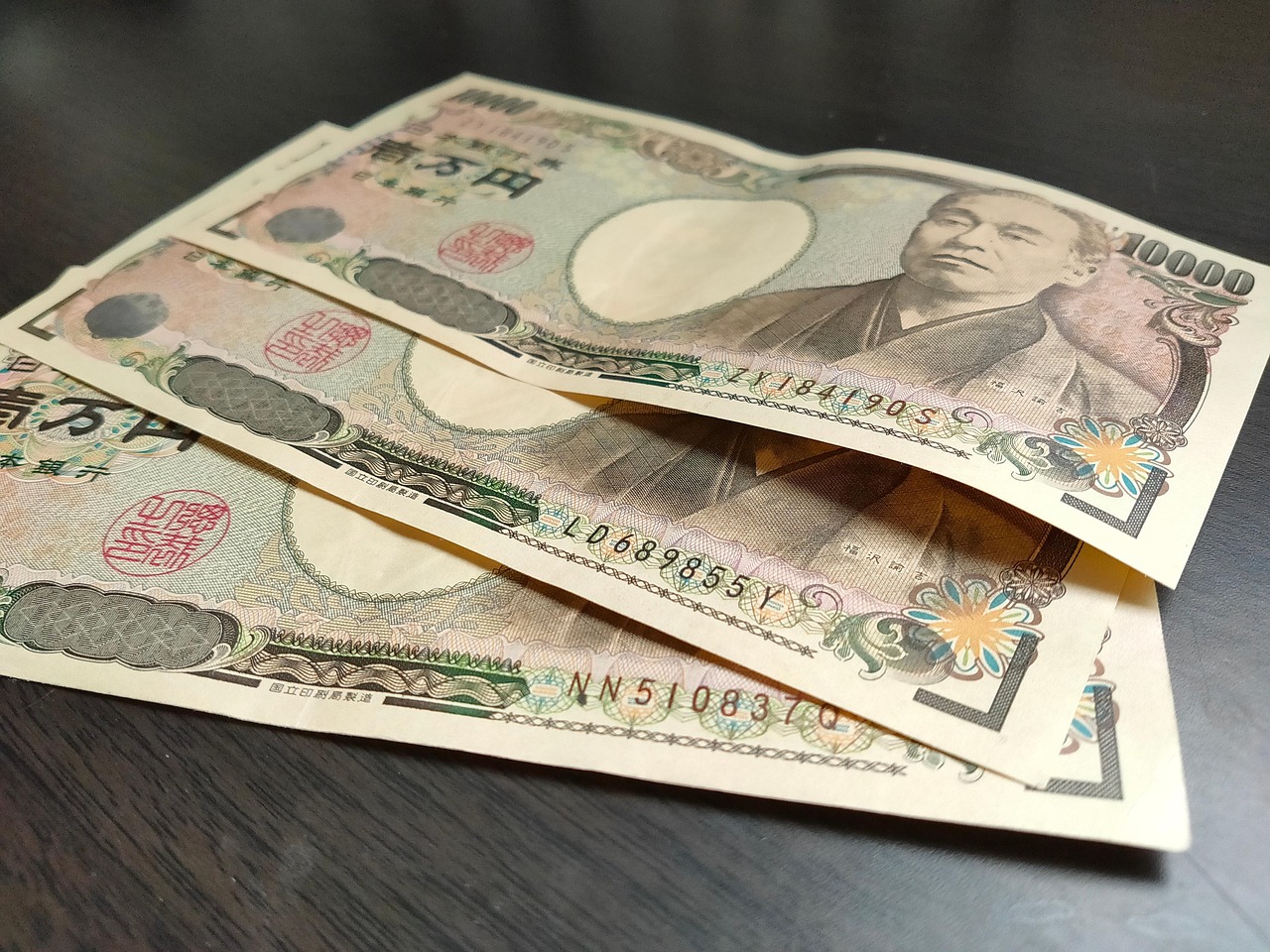
The Japanese yen posted its biggest gain against the U.S. dollar since late April after reports suggested Japanese authorities intervened in the foreign exchange market by buying yen and selling dollars. The move came as the U.S. dollar weakened broadly following Federal Reserve Chair Kevin Warsh’s remarks, while the British pound advanced after the Bank of England kept interest rates unchanged.
The U.S. Dollar Index (DXY), which measures the greenback against six major currencies, fell 1% to 99.86, marking its sharpest daily decline since April 21, 2025.
USD/JPY dropped 2.2% to 159.70, its steepest one-day decline since April 30. Traders had been anticipating possible intervention as the yen remained above the psychologically significant 160 level since mid-June. Earlier this week, the Japanese currency hit a four-decade low against the dollar, prompting renewed warnings from Finance Minister Satsuki Katayama that authorities were prepared to take decisive action against excessive currency volatility.
Nikkei Asia later reported that Tokyo had entered the currency market to purchase yen and sell dollars, while U.S. authorities reportedly conducted a rate check, a step often viewed as a precursor to intervention. Investors are now awaiting the Bank of Japan’s policy decision for further direction on the yen.
The dollar also faced pressure after markets questioned Fed Chair Kevin Warsh’s comments following the central bank’s decision to leave interest rates unchanged. Although three regional Fed presidents favored a 25-basis-point rate hike, Warsh described the policy debate as a “good family fight” and emphasized persistent inflation without signaling imminent tightening.
Macquarie strategist Thierry Wizman said markets viewed Warsh’s comments as an attempt to delay policy tightening through communication rather than action, while expecting other Fed officials to reinforce a more hawkish stance in the coming weeks.
Meanwhile, the British pound climbed 0.7% to $1.3465 after the Bank of England voted 6-3 to maintain its benchmark interest rate at 3.75%. Policymakers acknowledged easing inflation but warned that Middle East-driven energy costs could reignite price pressures.
The euro also strengthened 0.5% to $1.1525 after stronger-than-expected eurozone GDP data showed the economy expanded 0.4% in the second quarter and 1.0% year over year, exceeding market forecasts.







