


 Asian Stocks Fall as Bond Yields Surge Ahead of Trump-Xi Summit
  China’s ‘Lipstick King’ Says AI Won’t Replace Livestream Hosts
  U.S. 10-Year Treasury Yield Hits 2007 High as Fed Rate Hike Bets Rise
  Gold Holds Near $4,275 as Rising Treasury Yields Fuel Fed Rate Hike Bets
  Oil Prices Ease as Iran Tensions Clash With Diplomacy Hopes
  European Stocks Fall as Bond Yields and Geopolitical Risks Weigh
  Gold Prices Fall as Treasury Yields Rise on Fed Rate Hike Bets
  US 10-Year Treasury Yield at 6% Emerges as New Market Risk Threshold
  Japanese Bank Stocks Surge as Bond Yields Fuel Rate Hike Bets
  South Korea, US Discuss Warship Building Cooperation
  Oil Prices Jump 3% as Houthi Attack Revives Supply Fears
  Australia Unemployment Hits Five-Year High Despite Strong Jobs Growth
  Asian Stocks Fall as Surging Bond Yields Rattle Markets
  Wall Street Ends Flat as Oil, Treasury Yields and Fed Jitters Rattle Markets
  Russian Envoy Dmitriev Heads to US for Ukraine Talks
  Oil Prices Surge as U.S.-Iran Diplomacy Hopes Fade
  US, China Extend Trade Truce to Jan. 10 Ahead of Trump-Xi Summit


 Add as a preferred source on Google
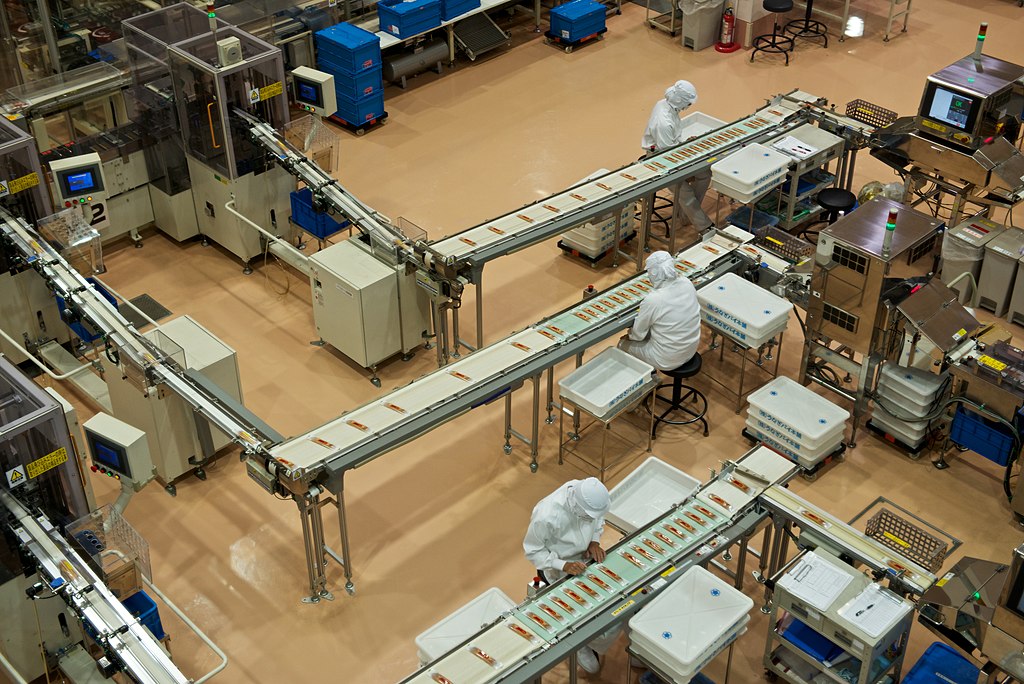
Japan’s manufacturing sector continued to expand in May 2026, although growth slowed slightly as escalating supply-chain pressures tied to the Middle East conflict increased business costs and weighed on overall economic activity. According to the latest S&P Global flash Purchasing Managers’ Index (PMI) data released Thursday, Japan’s manufacturing PMI eased to 54.5 in May from 55.1 in April, matching market expectations while remaining comfortably above the 50-point level that signals expansion.
Despite the slowdown, Japanese factories maintained solid production levels as companies increased inventory stockpiling in anticipation of potential supply shortages. Businesses expressed concerns that the ongoing Middle East conflict could further disrupt global supply chains and delay raw material deliveries, prompting manufacturers to secure additional inventories.
Meanwhile, Japan’s services sector showed signs of weakness after more than a year of uninterrupted growth. The services PMI business activity index dropped to 50.0 in May from 51.0 in April, indicating stagnant conditions across the sector. Analysts noted that rising operational costs, higher import prices, and weaker consumer demand contributed to the slowdown in service-related activity.
The broader composite PMI, which combines both manufacturing and services performance, fell to 51.1 from the previous month’s 52.2. The reading marked the slowest pace of private-sector expansion in five months, reflecting growing economic pressure on businesses.
S&P Global reported that input costs surged at the fastest rate since late 2022 due to supply disruptions and rising commodity prices linked to geopolitical tensions in the Middle East. In response, Japanese companies raised selling prices at the sharpest pace recorded since the survey began nearly 19 years ago.
Economists warn that persistent inflationary pressure and geopolitical uncertainty could continue to challenge Japan’s economic recovery in the coming months.







