


 EU Defence Build-Up Too Slow for 2030 Russia Readiness Goal
  Trump, Xi Visit US National Archives After White House Summit
  US Backs Musk in Fight Against EU’s €120 Million X Fine
  South Korea, US Discuss Warship Building Cooperation
  US, China Extend Trade Truce to Jan. 10 Ahead of Trump-Xi Summit
  European Stocks Fall as Bond Yields and Geopolitical Risks Weigh
  Oil Prices Ease as Iran Tensions Clash With Diplomacy Hopes
  France Defends Netanyahu Airspace Clearance Despite ICC Warrant
  Japan Private-Sector Growth Slows as Domestic Demand Weakens
  Trump, Xi Focus on Trade and AI at White House Summit
  Ghana Says Western Support Growing for Slave Trade Reparations
  China’s ‘Lipstick King’ Says AI Won’t Replace Livestream Hosts
  Mexico-US Trade Talks Delayed to October as Tariff Negotiations Continue
  Russian Envoy Dmitriev Heads to US for Ukraine Talks
  Najib Razak Seeks Stay of 15-Year 1MDB Prison Sentence
  Soybean Futures Slip as Traders Await Trump-Xi Trade Signals
  Netanyahu Defends Israel at UN as Delegates Stage Walkout


 Add as a preferred source on Google
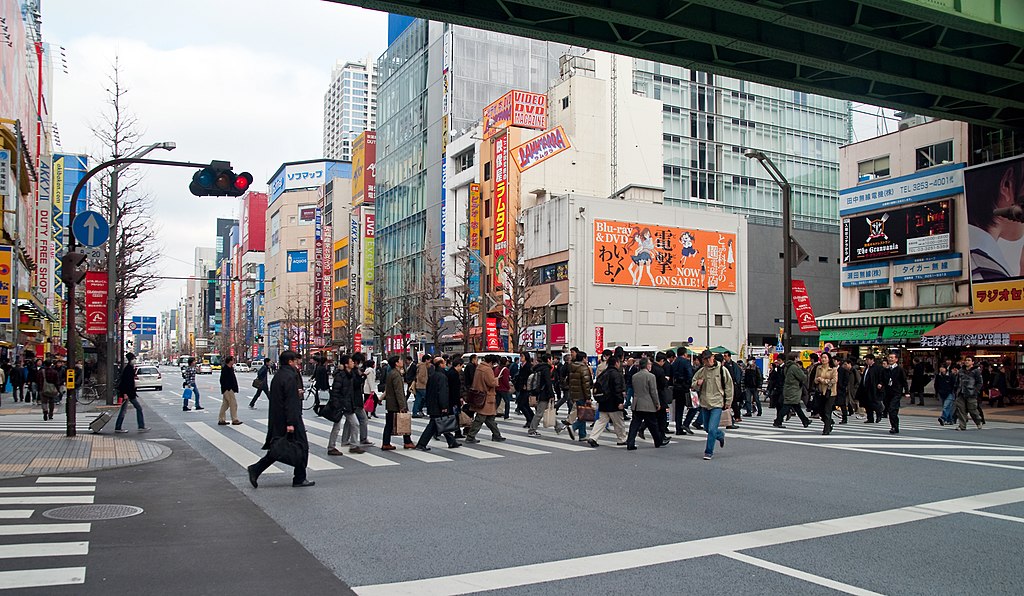
Japan’s government is preparing a major economic stimulus package estimated at around 17 trillion yen (approximately $110 billion), according to a recent report from the Nikkei newspaper. The large-scale plan, currently being developed by the Ministry of Finance, is aimed at easing financial pressure on households and supporting the country’s broader economic recovery. While the proposal is still under discussion, the final figure may shift as ruling parties enter negotiations in the coming weeks.
A key portion of the stimulus will be funded through a supplementary budget of roughly 14 trillion yen, surpassing last year’s allocation. This expanded budget highlights the government’s commitment to boosting domestic demand and mitigating the impact of rising living costs. The package is expected to include broader income tax exemptions, gasoline tax reductions, and subsidies designed to lower utility bills, offering relief to millions of consumers facing higher expenses.
In addition to direct household support, the government plans to distribute funds to local prefectures to enhance food assistance programs, ensuring vulnerable communities receive essential aid. These measures reflect Japan’s ongoing effort to stabilize economic conditions amid global uncertainty and fluctuating energy prices.
The administration of Prime Minister Sanae Takaichi is expected to finalize and approve the stimulus plan during a cabinet meeting scheduled for November 21. Once implemented, the package could play a significant role in sustaining economic momentum, improving purchasing power, and reinforcing confidence among both consumers and businesses.
As Japan continues navigating economic challenges, this upcoming stimulus package signals a proactive approach by policymakers to address immediate financial pressures while laying the groundwork for long-term stability and growth.







