


 Iran Threatens Gulf Energy Assets as U.S. Tensions Escalate
  US Bans Canadian Alcohol, Motorcycles as Trade War Escalates
  Oil Prices Hold Near Highs as U.S.-Iran Conflict Escalates
  Japan GDP Growth Beats Forecast, Boosting BOJ Rate Hike Bets
  China Inflation Accelerates in August as CPI, PPI Rise
  Fitch Eyes Japan Budget for Fiscal Discipline
  Oil Prices Rally as Brent Nears $100 on U.S.-Iran Escalation
  Hormuz Shipping Slows as Iran Threats Lift Oil Risks
  U.S. Stock Futures Steady as Oil Tops $100 Ahead of Inflation Data
  Gold Prices Rebound as Dollar Weakens, Fed Decision Looms
  Brent Oil Tops $100 as Middle East Conflict Threatens Supply
  Oil Prices Climb as Iran Threatens Gulf Energy Infrastructure
  US Stock Futures Mixed as Fed Rate Hike Bets Rise
  China Buys 1 Million Tons of U.S. Soybeans Ahead of Xi Visit
  Canada Retaliatory Tariffs on U.S. Goods Take Effect
  South Korea GDP Surges on Chip and AI Boom
  Asian Stocks Mixed as Korean Chipmakers Rally


 Add as a preferred source on Google
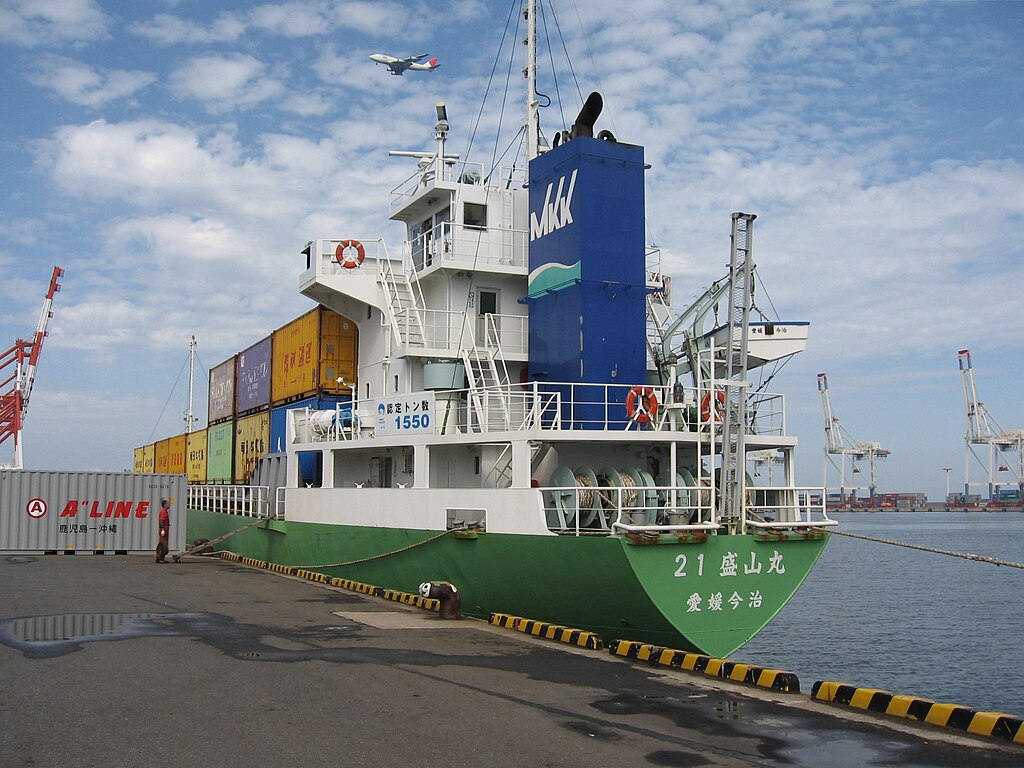
Japan’s exports extended their growth streak for a seventh consecutive month in March, driven largely by strong global demand linked to artificial intelligence (AI) and data center expansion. According to government data, total exports rose 11.7% year-on-year, surpassing market expectations of an 11% increase and signaling continued resilience in Japan’s trade performance despite rising geopolitical tensions.
Economists highlight that AI-related demand remains a key driver behind Japan’s export growth. Increased investment in data centers and advanced technologies has boosted shipments of electronic components and capital goods. Koki Akimoto, an economist at Daiwa Institute of Research, noted that while AI demand is expected to stay strong, uncertainties tied to the Middle East conflict could flatten the overall trade outlook in the coming months.
Imports also climbed 10.9% in March compared to the previous year, exceeding forecasts of 7.1%. This rise comes as global oil supply disruptions—particularly those linked to the effective shutdown of the Strait of Hormuz—begin to impact energy prices. However, the full effect of these disruptions has yet to be fully reflected in import costs.
Japan recorded a trade surplus of 667 billion yen ($4.18 billion), falling short of the anticipated 1.1 trillion yen. Beneath the positive export figures, regional disparities are evident. Exports to the Middle East dropped sharply by 45.9%, largely due to a 36.8% decline in automobile shipments. In contrast, exports to the United States rose 3.4%, while shipments to China surged 17.7%, helping offset losses in other regions.
Japan’s economy continues to show signs of moderate recovery, supported by stable business investment and export growth. However, analysts warn that rising oil prices and supply chain disruptions could increase import costs and strain household spending. As an energy-dependent economy, Japan remains vulnerable to fluctuations in global oil markets.
The Bank of Japan is expected to maintain its current interest rate policy while continuing its tightening stance to address inflation pressures driven by a weak yen and higher energy costs.







