


 Asian Stocks Fall as Surging Bond Yields Rattle Markets
  Japanese Bank Stocks Surge as Bond Yields Fuel Rate Hike Bets
  Oil Prices Jump 3% as Houthi Attack Revives Supply Fears
  Japanese Yen Rebounds as Trump Flags Currency Weakness
  Asian Currencies Mixed as Dollar Holds Near Two-Month High
  U.S. Dollar Hits Two-Month High as Oil, Treasury Yields Surge
  Wall Street Ends Flat as Oil, Treasury Yields and Fed Jitters Rattle Markets
  US Comfortable With Canada Trade Standoff as Import Bans Loom
  Canadian Dollar Faces Pressure as Fed-BoC Policy Gap Widens
  RBI Uses $10 Billion Currency Swaps to Drain Excess Rupee Liquidity
  Dollar Falls as Oil Eases, Yen Jumps on Intervention Signals
  Gold Holds Near $4,275 as Rising Treasury Yields Fuel Fed Rate Hike Bets
  Gold Prices Fall as Treasury Yields Rise on Fed Rate Hike Bets
  Oil Prices Ease as Iran Tensions Clash With Diplomacy Hopes
  Fed’s Hammack Says Bond Yield Surge Is Not Driven by Inflation Fears
  European Stocks Fall as Bond Yields and Geopolitical Risks Weigh


 Add as a preferred source on Google
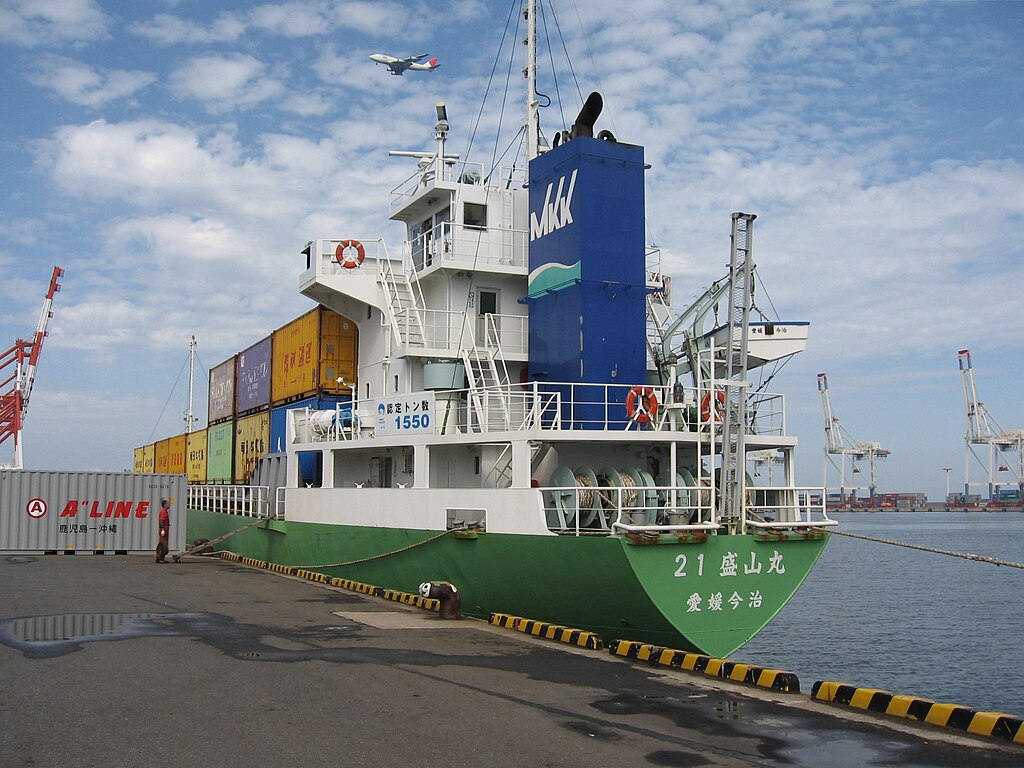
Japan’s exports fell for the fourth consecutive month in August as higher U.S. tariffs hit key industries, particularly automobiles and chipmaking equipment. Government data showed overall exports by value slipped 0.1% year-on-year, a smaller decline than the forecast 1.9% drop, following a 2.6% fall in July.
Shipments to the U.S. plunged 13.8%, marking the steepest decline since February 2021. Automobile exports fell 28.4%, while chipmaking equipment tumbled nearly 39%. Export volume to the U.S. dropped 12%, extending July’s 2.3% decline. As a result, Japan’s trade surplus with the U.S. halved to 324 billion yen ($2.21 billion), the lowest since January 2023.
Economists warn that the tariff impact could intensify toward year-end. “Japanese automakers are largely absorbing costs by lowering export prices, but some are starting to raise prices to offset losses,” said Saisuke Sakai, chief Japan economist at Mizuho Research.
Total imports fell 5.2% in August, defying expectations of a 4.2% increase, due to weaker oil prices. This helped limit Japan’s overall trade deficit to 242.5 billion yen ($1.66 billion), better than the projected 513.6 billion yen shortfall.
In July, Washington set a baseline 15% tariff on nearly all Japanese imports, down from an initial 27.5% on autos and 25% on other goods. While lower than earlier threats, the levy remains much higher than the previous 2.5% rate, placing heavy pressure on Japanese exporters.
According to the Japan Center for Economic Research, economists expect the economy to contract 1.1% in the current quarter due to weaker external demand. Bank of Japan Governor Kazuo Ueda has pledged caution in raising rates amid tariff-driven uncertainties.
Despite trade headwinds, corporate capital spending rose 7.6% in April-June from a year earlier, signaling resilience in business investment.







