


 China Reviews Broadcom Switch Use in State Data Centres
  Tesla Semi Rollout Begins at Nevada Factory
  FxWirePro-24-Hour Crypto Category-Based Performance Dashboard
  Asian Stocks Fall as Surging Bond Yields Rattle Markets
  Mexico-US Trade Talks Delayed to October as Tariff Negotiations Continue
  Wall Street Falls as Treasury Yields Surge, Oil Rebounds on Iran Tensions
  Gold Prices Fall as Treasury Yields Rise on Fed Rate Hike Bets
  Oil Prices Ease as Iran Tensions Clash With Diplomacy Hopes
  FxWirePro- Major Crypto levels and bias summary
  Oil Prices Surge as U.S.-Iran Diplomacy Hopes Fade
  JPMorgan Names Lavatelli Japan Chief in Leadership Shake-Up
  Suzuki Targets Faster Car Development to Keep Pace With Chinese Rivals


 Add as a preferred source on Google
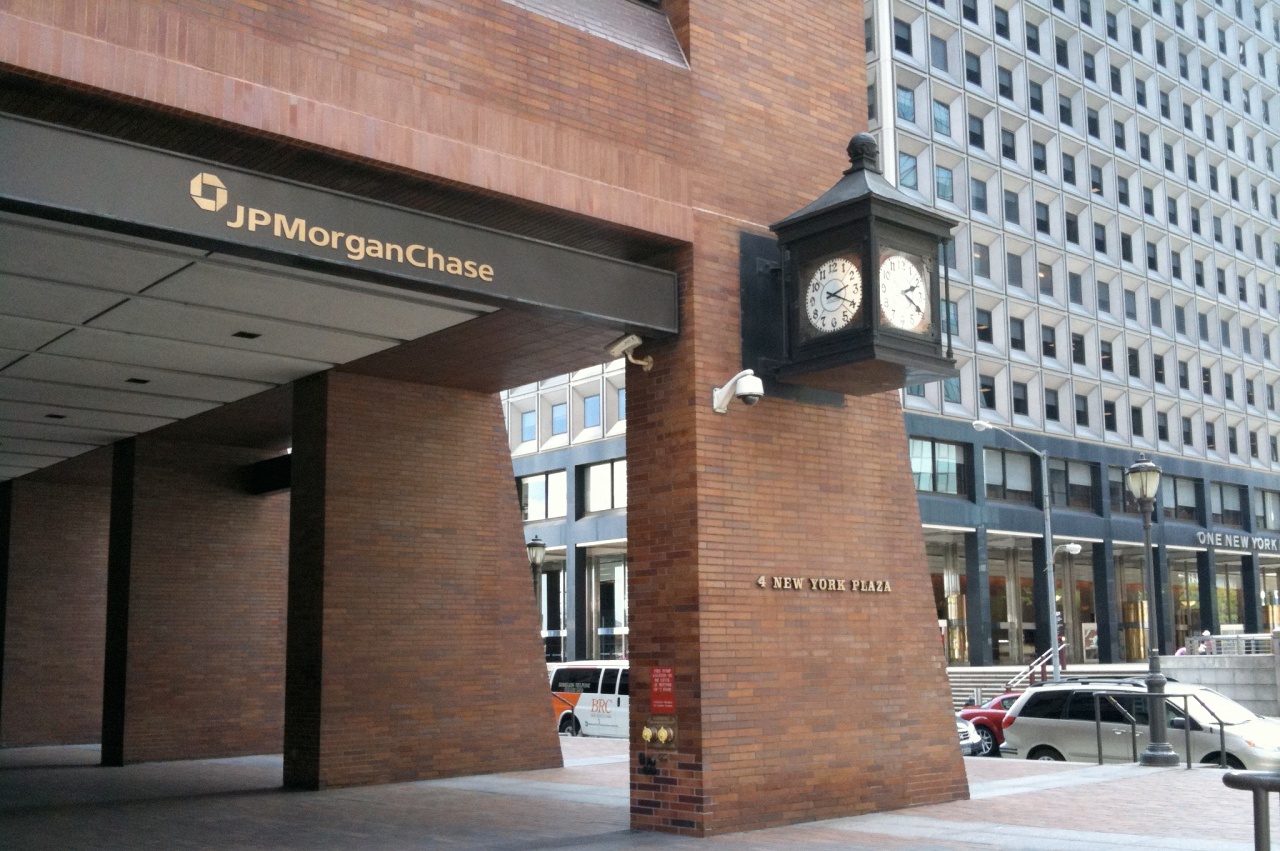
JPMorgan Chase revealed on Monday, May 1, that it had acquired most of First Republic Bank’s assets. The acquisition comes after the second-largest bank in the United States has run aground.
The deal between JPMorgan Chase and First Republic Bank will protect the deposits of the latter’s customers. As per CNN Business, the former bought the substantial majority of assets and assumed certain liabilities, such as the deposits - both insured and uninsured - of First Republic from the independent government agency, Federal Deposit Insurance Corporation.
Under the agreement, the FDIC will take in 80% of any incurred losses on First Republic’s list of commercial loans and single-family residential mortgage loans over the next five to seven years.
JPMorgan Chase also clarified that as part of the deal, it would not be assuming the corporate debt of First Republic. Moreover, it will receive $50 billion from FDI as financing to complete the deal for the acquisition of assets.
JPMorgan Chase will pay $10.6 billion to the FDIC and return the $25 billion that was deposited by other banks in First Republic in March. The fund was to supposed to serve as a lifeline that was negotiated with Treasury at that time. It will also get rid of the $5 billion deposit it made with the failed financial institution.
“Our government invited us and others to step up, and we did,” JPMorgan Chase’s chairman and chief executive officer, Jamie Dimon, said in a press release announcing its purchase of First Republic’s assets. “Our financial strength, capabilities and business model allowed us to develop a bid to execute the transaction in a way to minimize costs to the Deposit Insurance Fund.”
He added, “This acquisition modestly benefits our company overall, it is accretive to shareholders, it helps further advance our wealth strategy, and it is complementary to our existing franchise.”
Meanwhile, with the latest positive development related to First Republic’s failure, it was announced that the bank’s branches will now be opened starting May 1. It will operate as normal, and customers will be able to transact and receive uninterrupted services, including digital and mobile formats.
Photo by: Salim Virji/Flickr (CC BY-SA 2.0)







