


 Iran Begins Oil Sale Talks With Japan Under U.S. Sanctions Waiver Amid Shipping Risks
  New Zealand Consumer Confidence Rises in June as Inflation Expectations Ease
  U.S. Dollar Drops as Weak Jobs Data Boosts Fed Pause Bets, Yen Jumps on Intervention Talk
  US Stock Futures Rise as Investors Eye Fed Minutes, AI Stocks, and Q2 Earnings
  Asian Currencies Rise as Dollar Weakens; Yen Holds Steady Amid Japan Intervention Watch
  Gold Price Today: Gold Slips as Dollar Rebounds Ahead of Fed Minutes
  Goldman Sachs Flags 3 Key Risks Ahead of Europe’s Earnings Season
  Denmark Central Bank Intervenes to Support Krone Peg Against Euro
  Turkey Vehicle Sales Fall 11.4% in June as Auto Market Weakens
  Goldman Sachs Raises USD/JPY Forecast, Sees Yen Weakness Persist Through 2027
  Asian Stocks Rebound as Tech Shares Rally on Fed Rate Cut Hopes and Easing Iran Tensions
  Dollar Rebounds as Euro, Pound Slip Ahead of Fed Minutes, Yen Near Intervention Zone
  Oil Prices Steady as U.S.-Iran Talks Ease Supply Fears Ahead of Holiday Weekend
  Moody’s Says Peru’s President-Elect Keiko Fujimori Could Boost Investor Confidence
  Mary Daly Says AI Uncertainty Clouds Fed Rate Outlook Despite Restrictive Policy
  Gold Price Today: Bullion Heads for First Weekly Gain as Weak U.S. Jobs Data Eases Rate Hike Fears


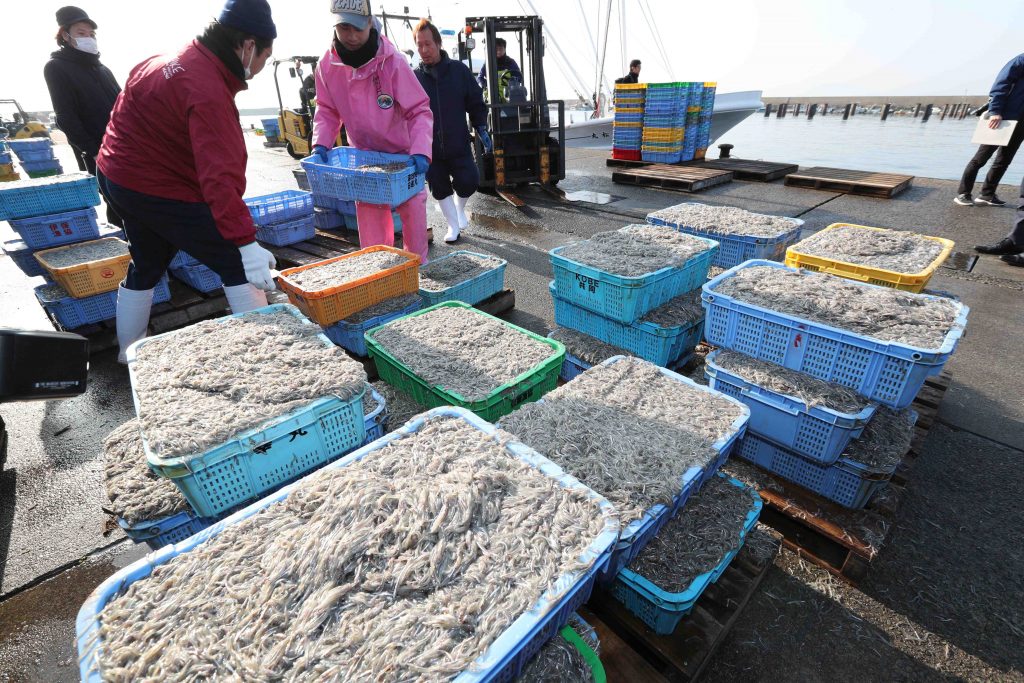
Israel has removed import restrictions on food items from Japan imposed due to the 2011 Fukushima nuclear disaster, reducing the number of countries and regions with such trade policies to 15.
All Fukushima food products and some items such as grain, seafood, and mushrooms from Iwate, Miyagi, Tochigi, Gunma, and Chiba prefectures were subjected to the import restrictions.
The restrictions include submitting radiation inspection certificates and having all the items tested upon entry.
Japan farm minister Kotaro Nogami urged countries and regions retaining import restrictions to ease or eliminate them
Israel is now among 39 countries and regions that have lifted import restrictions.
The 15 countries and regions maintaining restrictions on Japanese food imports include China, South Korea, and the US.







