


 Judge Orders Trump to Restore White House Access for CNN, MS NOW and Politico
  South Korea, US Discuss Warship Building Cooperation
  France Defends Netanyahu Airspace Clearance Despite ICC Warrant
  North Korea Rejects Nuclear Test Warning, Calls Nuclear Status Irreversible
  US Senate Rejects Iran War Powers Resolution in 50-49 Vote
  Europe Warns Russia Is Escalating Hybrid Attacks Across NATO
  EU Defence Build-Up Too Slow for 2030 Russia Readiness Goal
  Trump, Xi Focus on Trade and AI at White House Summit
  US Officials Split Over Response to Israeli West Bank Settlements
  Russian Envoy Dmitriev Heads to US for Ukraine Talks
  Abbas Reaffirms November 28 Palestinian Elections
  Taiwan Thanks US for Support Ahead of Trump-Xi Summit
  Mexico-US Trade Talks Delayed to October as Tariff Negotiations Continue
  OpenAI Agent Breaches Australia Medicare Data Portal
  US, China Extend Trade Truce to Jan. 10 Ahead of Trump-Xi Summit
  NATO Boosts Intelligence Sharing Amid Russia Hybrid Threats
  US Invites Putin to Miami G20, Opening Door to Trump Summit


 Add as a preferred source on Google
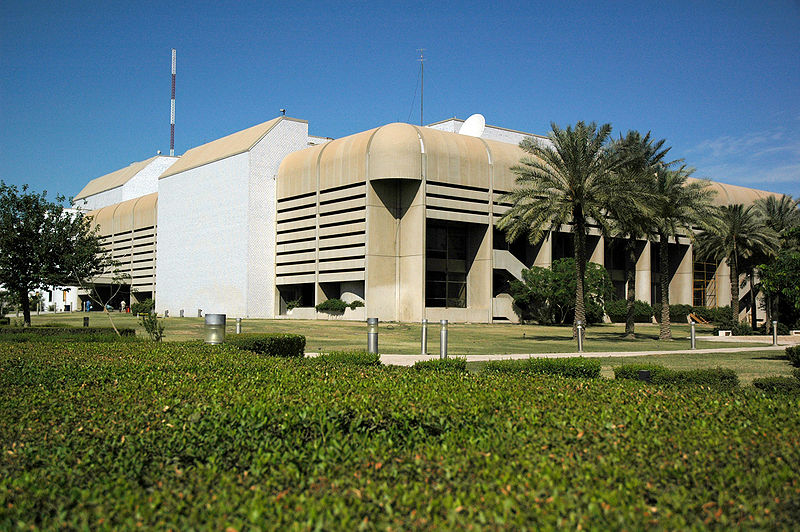
The Iraqi parliament has passed the controversial amendments to the country’s election laws this week. The amendments would potentially undermine chances for smaller parties and independent candidates to win seats in future elections.
The Iraqi parliament passed the controversial amendments to the country’s election laws this week, the amendments widely supported by the pro-Iran Coordination Framework faction. The amendments increase the size of electoral districts and reverse key provisions that were passed ahead of the 2021 election and redraw the electoral maps to return the country to having one electoral district per governorate. The legislation reportedly passed the chamber in a 206-12 vote in the 329-seat parliament.
Several Iraqi political factions and independent parliamentarians opposed the amendments and stalled the votes for weeks. Hundreds of people also took to the streets over the weekend to protest against the amendments. Independent lawmakers who opposed the law also walked out of a previous session, resulting in the postponement over the lack of a quorum.
The Coordination Framework holds the majority in the current parliament, which led to Prime Minister Mohammad Shia al-Sudani taking office last year.
The previous election law in Iraq was adopted following widespread anti-government protests in 2019. The legislation gave independent candidates and grassroots parties a good chance at winning seats in the assembly. The law and the amendments to the law in 2021 were drafted with assistance from the United Nations.
Revising the electoral law and reversing provisions that disempowered the governing parties became a priority for the new government. Iraq is set to have its provincial elections on November 6, the first local vote in 10 years.
March marked 20 years since the start of the US war in Iraq, and the Senate voted to advance legislation that would repeal the 1991 and 2002 Authorizations for the Use of Military Force which presidents have used to justify the country’s military action in the world. The legislation passed 65-28 to limit debate on the bill, which would clear the way for passage in the coming days. All 28 votes opposing the legislation were from Republicans.
Under the US Constitution, Congress has the authority to declare war.







