


 Trump to Press Xi on Release of US Nuclear Expert Held in China
  OpenAI Agent Breaches Australia Medicare Data Portal
  Russian Missile and Drone Attack on Kyiv Kills Two, Damages Maternity Hospital
  Trump Meets Venezuela’s Delcy Rodriguez at UN Assembly
  US Officials Split Over Response to Israeli West Bank Settlements
  Ghana Says Western Support Growing for Slave Trade Reparations
  Venezuela Promises Elections as Delcy Rodriguez Pledges Democratic Transition
  China Tightens Fentanyl Rules Ahead of Trump-Xi Summit
  Trump Administration Plans Faster FDA Reviews for Smoke-Free Nicotine Products
  South Korea, US Discuss Warship Building Cooperation
  Taiwan Vows to Advance US Arms Sales Ahead of Trump-Xi Meeting
  Trump Says ‘Freedom’ Is Coming to Cuba
  Lula and Flavio Bolsonaro Tied in Brazil Runoff Poll
  Marco Rubio to Meet Russia’s Lavrov in New York
  Gaza Faces Evacuation Crisis as War-Damaged Buildings Risk Collapse
  Europe Warns Russia Is Escalating Hybrid Attacks Across NATO
  Sudan Rejects US Legitimacy Remarks, Defends Sovereignty


 Add as a preferred source on Google
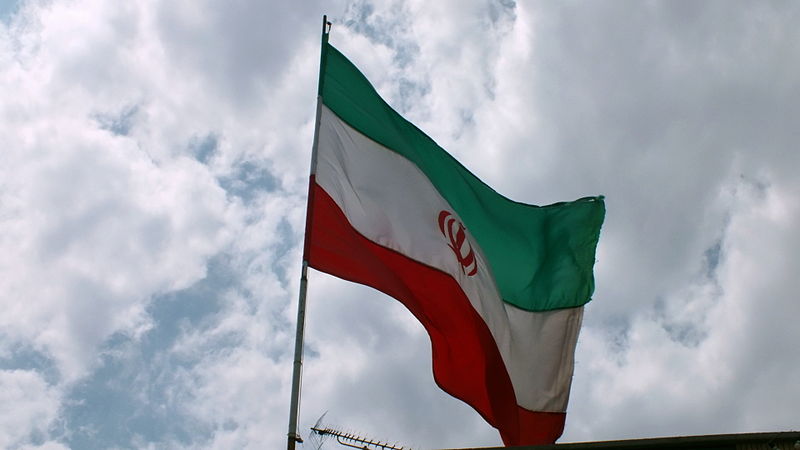
After more than a year of negotiations between Iran and Western powers, an agreement may soon be reached. The European–led proposal to restore the 2015 agreement would include the immediate lifting of several sanctions.
Sources with knowledge of the matter told Al Jazeera that the proposal drafted by the European Union was imminent. If the final proposal is agreed upon, the countries will carry out the new nuclear agreement in four phases over two 60-day periods.
This comes as Tehran has expressed optimism about an agreement on the renewed version of the 2015 deal, also known as the Joint Comprehensive Plan of Action.
Mohammad Marandi, who is an adviser on Iran’s negotiating team, said last week that the countries involved are “closer” than before to securing an agreement, noting that the outstanding issues “are not very difficult to resolve.”
The US has already approved the final text presented by the European Union the week prior, saying that Washington is ready to secure the agreement if Iran accepts it.
In the new proposal, sources said that on the day the agreement is made, sanctions on 17 Iranian banks and 150 economic institutions would be lifted.
Tehran is also expected to reverse the advancement of its nuclear program, which has already exceeded the scope of what is acceptable to the UN’s nuclear agency and the signatories of the 2015 deal.
Iran’s current stock of enriched uranium is now at 60 percent, a jump from the 3.67 percent limit stated in the original deal. The development of a nuclear bomb would require uranium enrichment of 90 percent.
In a span of 120 days after the new deal is made, Iran will be allowed to export 50 million barrels of oil per day. The deal also includes the release of $7 billion of Iran’s funds which are currently held in South Korea. The United States is subject to paying a fine if it unilaterally withdraws from the deal again, as it did in 2018 under Donald Trump.
The White House said Sunday that US President Joe Biden spoke with British Prime Minister Boris Johnson, French President Emmanuel Macron, and German Chancellor Olaf Scholz over the nuclear deal. A readout of the call said the four leaders discussed the ongoing negotiations over the nuclear deal as well as support for partners in the Middle East.







