


 Scott Bessent Eyed as Trump’s New AI Czar
  US, Japan and South Korea Back Taiwan Ahead of Trump-Xi Summit
  US Plans Two New Military Bases in Greenland Under Arctic Deal
  Asian Currencies Muted as Dollar Firms Ahead of Trump-Xi Summit
  Macron, Trump Discuss Ukraine-Russia Energy Strike Moratorium
  Vietnam Stocks Join FTSE Emerging Market Indexes, Unlocking Billions in Foreign Investment
  Lula and Flavio Bolsonaro Tied in Brazil Runoff Poll
  Asia Stocks Rise on AI Demand as Oil Eases
  Iran Vows ‘Crushing’ Response as US Talks Continue
  U.S. Stock Futures Rise Ahead of Trump-Xi Summit, Middle East Risks Weigh
  RBA Says ASX Still Falls Short on Governance and Risk Controls
  UK Home Asking Prices Rise for First Time Since May
  Lula Meets Mamdani in New York as Elections Approach
  Canada Unveils Bill to Fast-Track Major Resource Projects
  Vietnam, US Trade Deal Could Be Signed Soon, To Lam Says


 Add as a preferred source on Google
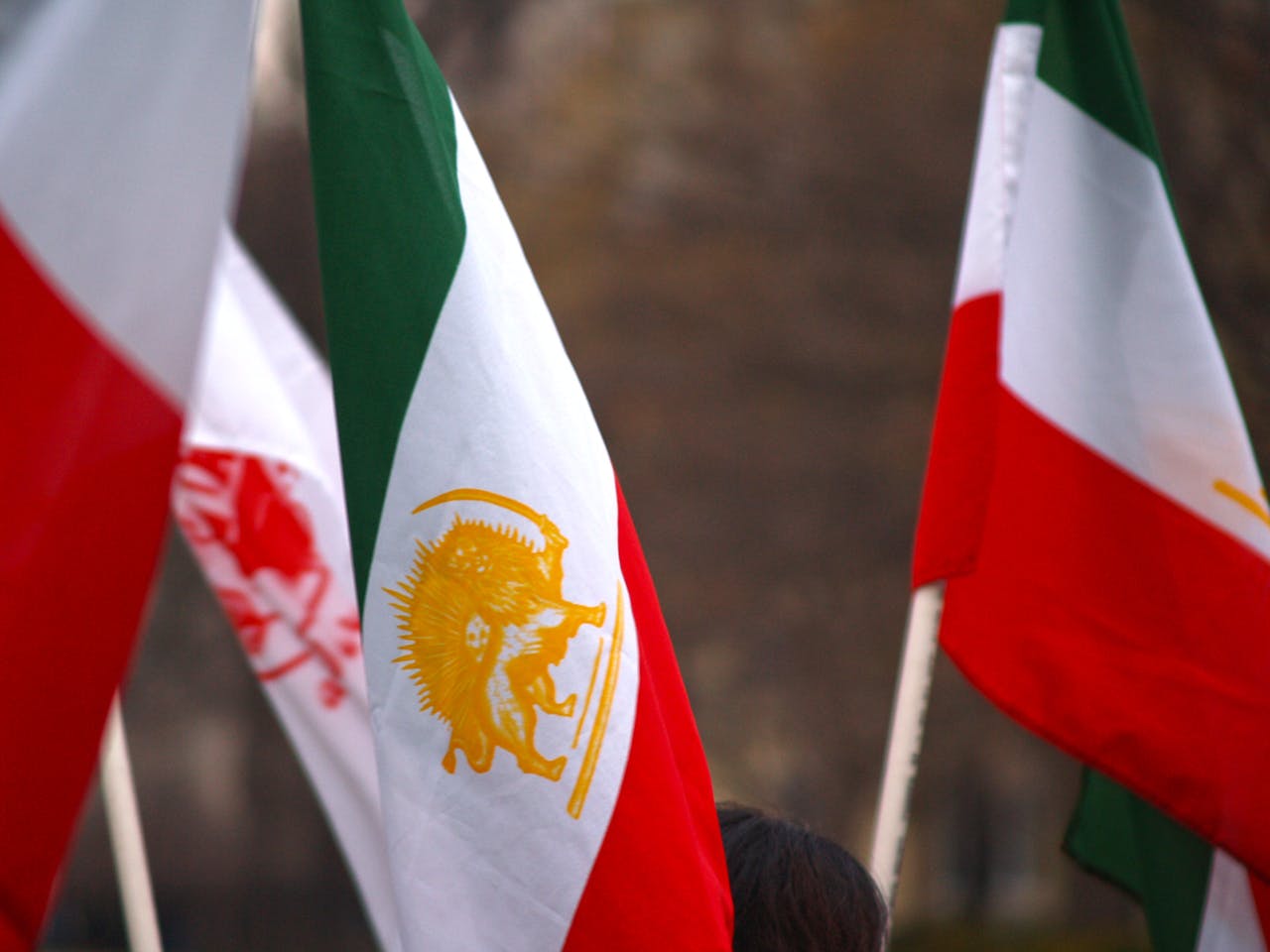
Iran warned over the weekend that it would respond forcefully to any new U.S. military action, escalating tensions in the Middle East as President Donald Trump reiterated threats of additional strikes on Iranian targets. The growing standoff has heightened concerns over global energy supplies, with oil prices remaining elevated and key shipping routes facing increasing security risks.
Iranian Foreign Minister Abbas Araqchi delivered the warning during separate phone calls with Turkish Foreign Minister Hakan Fidan, Pakistan’s Army Chief Field Marshal Asim Munir, and Saudi Foreign Minister Prince Faisal bin Farhan. According to Iranian reports, Araqchi said Tehran would respond decisively to any U.S. or Israeli aggression and warned that any regional country participating in such attacks would face a proportionate response.
Iranian-affiliated media outlet Nournews also claimed that any U.S. strike on Iran’s energy infrastructure would trigger retaliatory attacks on oil facilities in Saudi Arabia and the United Arab Emirates, as well as gas fields in Qatar and Israel.
The warnings came after Kuwait’s military announced it had intercepted hostile drones allegedly launched by Iran toward several strategic facilities. Falling debris caused property damage but no casualties. Meanwhile, maritime security risks continued to rise after the United Kingdom Maritime Trade Operations reported two separate incidents involving commercial tankers near Oman, including one vessel struck by an unidentified projectile.
Despite the escalating rhetoric, President Trump said at a Cabinet meeting at Camp David that U.S. negotiators, including Jared Kushner, Steve Witkoff, and Secretary of State Marco Rubio, were still pursuing a diplomatic agreement with Tehran. However, Trump also expressed growing skepticism, saying Iran repeatedly breaks its commitments and warning that the U.S. would continue military action if necessary.
The conflict has kept global energy markets on edge. Brent crude surged 24% in July, with analysts expecting prices to remain under upward pressure as the war threatens oil exports. Shipping through the Strait of Hormuz has declined significantly because of security concerns, while Iran-backed Houthi forces have also threatened vessels near the Bab el-Mandeb Strait, raising fears of broader disruptions to global oil and gas supplies.







