


 US Invites Putin to Miami G20, Opening Door to Trump Summit
  Mexico-US Trade Talks Delayed to October as Tariff Negotiations Continue
  Netanyahu’s Brief US Trip Highlights Strains With Trump
  Taiwan Thanks US for Support Ahead of Trump-Xi Summit
  Ghana Says Western Support Growing for Slave Trade Reparations
  Russian Envoy Dmitriev Heads to US for Ukraine Talks
  Netanyahu Takes Aim at Mamdani as Israel Election Nears
  US Senate Rejects Iran War Powers Resolution in 50-49 Vote
  Russian Missile and Drone Attack on Kyiv Kills Two, Damages Maternity Hospital
  Gaza Faces Evacuation Crisis as War-Damaged Buildings Risk Collapse
  South Korea, US Discuss Warship Building Cooperation
  France Defends Netanyahu Airspace Clearance Despite ICC Warrant
  Judge Orders Trump to Restore White House Access for CNN, MS NOW and Politico
  Sudan Rejects US Legitimacy Remarks, Defends Sovereignty
  North Korea Rejects Nuclear Test Warning, Calls Nuclear Status Irreversible
  US, China Extend Trade Truce to Jan. 10 Ahead of Trump-Xi Summit
  Yemen Violence Displaces 130,000 as Civilian Toll Rises


 Add as a preferred source on Google
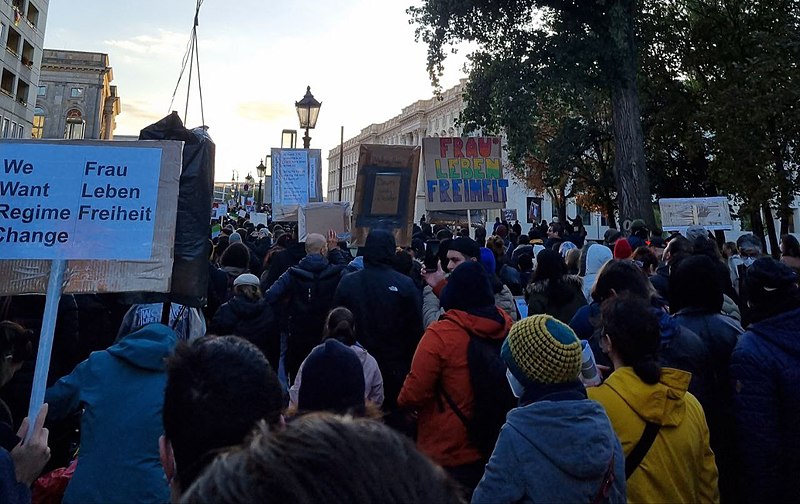
The British government has called on the authorities in Iran to stop the unfair detainment of dual nationals. This follows Tehran’s arrest of seven individuals linked to the United Kingdom over the ongoing protests.
Speaking to reporters on Wednesday, British Prime Minister Rishi Sunak’s spokesperson said the government is seeking more information on the seven individuals that were arrested over the ongoing anti-government demonstrations. Iranian state media published a statement that the Revolutionary Guards arrested seven people linked to the UK, preventing them from leaving the country. Some of the individuals arrested are British-Iranian dual nationals.
“We are urgently seeking further information from the Iranian authorities on the reports of those British-Iranian dual nationals,” said the spokesperson. “We’ve always said that we will never accept our nationals…being used for diplomatic leverage and we urge the government of Iran to stop its practice of unfairly detaining British and other foreign nationals.”
The UK’s main opposition Labour Party has called for sanctions to be imposed on organizations and individuals who are involved in the Islamic Republic’s crackdown on the protests that have been taking place across Iran since September.
“The killings and repression being carried out by the Iranian regime against courageous Iranian protesters seeking a better future is appalling,” said the party’s foreign affairs spokesperson David Lammy in a statement. “There must be an end to impunity.”
The protests erupted in September following the death of Kurdish-Iranian woman Mahsa Amini in the custody of the morality police. Amini died days after she was detained for allegedly violating the Islamic Republic’s dress code for women, sparking public outrage. Tehran has sought to blame its foreign adversaries, such as the United States and Israel, for the protests.
Also on Wednesday, Italian foreign minister Antonio Tajani said Iran must stop its executions of people arrested in connection to the protests, following a meeting with the country’s Iranian ambassador. Tajani said that executing people who participate in protests or women who refuse to wear their headscarves is not an acceptable form of punishment.
“Taking off a veil or participating in a protest is not a crime that can lead to the death penalty anywhere in the world,” said Tajani.







