


 Gold and Silver Prices Slide as Dollar Strength and Easing Tensions Weigh on Metals
  BOJ Rate Decision in Focus as Yen Weakness and Inflation Shape Market Outlook
  China Extends Gold Buying Streak as Reserves Surge Despite Volatile Prices
  Trump Endorses Japan’s Sanae Takaichi Ahead of Crucial Election Amid Market and China Tensions
  ECB’s Cipollone Backs Digital Euro as Europe Pushes for Payment System Independence
  Why Trump’s new pick for Fed chair hit gold and silver markets – for good reasons
  Dollar Near Two-Week High as Stock Rout, AI Concerns and Global Events Drive Market Volatility
  Asian Stocks Slip as Tech Rout Deepens, Japan Steadies Ahead of Election
  India–U.S. Interim Trade Pact Cuts Auto Tariffs but Leaves Tesla Out
  Thailand Inflation Remains Negative for 10th Straight Month in January
  Trump Lifts 25% Tariff on Indian Goods in Strategic U.S.–India Trade and Energy Deal
  Global Markets Slide as AI, Crypto, and Precious Metals Face Heightened Volatility
  South Korea’s Weak Won Struggles as Retail Investors Pour Money Into U.S. Stocks
  Fed Governor Lisa Cook Warns Inflation Risks Remain as Rates Stay Steady
  U.S.-India Trade Framework Signals Major Shift in Tariffs, Energy, and Supply Chains


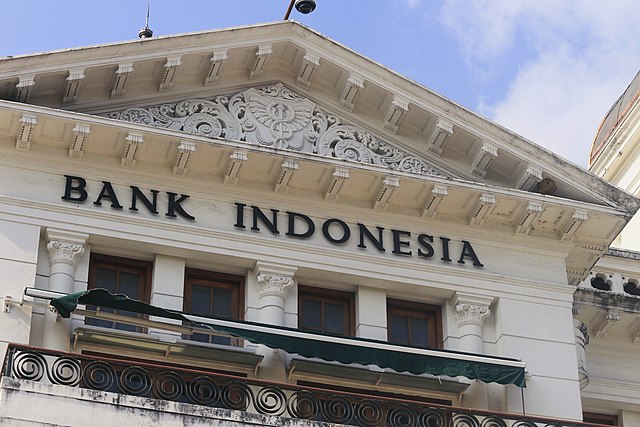
Bank Indonesia’s unexpected interest rate cut this week has rattled global markets, fueling fears that the central bank is bowing to political pressure from President Prabowo Subianto. Investors worry the move threatens the rupiah’s stability and undermines the bank’s independence, a reputation long seen as a cornerstone of Indonesia’s fiscal credibility.
None of the 31 economists surveyed by Reuters anticipated Wednesday’s cut, which follows the abrupt dismissal of respected finance minister Sri Mulyani Indrawati. Combined with ongoing protests in major cities, investor anxiety over fiscal discipline and policy direction has intensified.
Prabowo’s ambitious goal of boosting economic growth to 8% from around 5% has raised concerns that political priorities are outweighing market stability. While Indonesia has historically been praised for fiscal prudence and a central bank focused on currency stability, doubts are growing as BI has now lowered its policy rate by 150 basis points over the past year.
The rupiah has already lost 3% in 2025, marking it the weakest Asian currency. It briefly touched a record low of 16,970 per U.S. dollar in April, forcing repeated central bank interventions. Analysts warn that an overstretched push for growth could worsen Indonesia’s current account position and stoke inflation.
Although Indonesia’s macro fundamentals—low debt, manageable deficits, and stable inflation—remain strong, the market fears mounting political influence on monetary policy. A controversial “burden sharing” deal, which allows BI to help fund government programs, has further unsettled investors who worry about long-term risks to independence.
Experts caution that unless Indonesia reassures global markets with clear communication and policy discipline, risk premiums will remain elevated and confidence in the rupiah will continue to erode.













