


 Fed’s Hammack Says Bond Yield Surge Is Not Driven by Inflation Fears
  Gold Holds Near $4,275 as Rising Treasury Yields Fuel Fed Rate Hike Bets
  Japanese Bank Stocks Surge as Bond Yields Fuel Rate Hike Bets
  Asian Currencies Mixed as Dollar Holds Near Two-Month High
  RBI Uses $10 Billion Currency Swaps to Drain Excess Rupee Liquidity
  Wall Street Ends Flat as Oil, Treasury Yields and Fed Jitters Rattle Markets
  U.S. Treasury Yields Surge as 30-Year Hits 22-Year High
  Soybean Futures Slip as Traders Await Trump-Xi Trade Signals
  Mexico-US Trade Talks Delayed to October as Tariff Negotiations Continue
  Japanese Yen Rebounds as Trump Flags Currency Weakness
  Fed Unveils Stablecoin Rules Under GENIUS Act
  U.S. Dollar Hits Two-Month High as Oil, Treasury Yields Surge
  US Stock Futures Fall as Treasury Yields Surge Ahead of Trump-Xi Summit
  Oil Prices Ease as Iran Tensions Clash With Diplomacy Hopes
  Dollar Falls as Oil Eases, Yen Jumps on Intervention Signals
  Asian Stocks Fall as Bond Yields Surge Ahead of Trump-Xi Summit
  Asian Stocks Fall as Surging Bond Yields Rattle Markets


 Add as a preferred source on Google
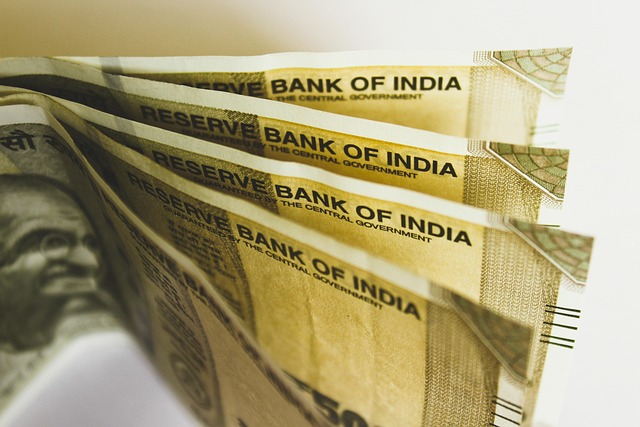
The Indian rupee is expected to open largely unchanged on Friday, with regional currencies showing resilience despite a fresh wave of global risk-off sentiment. A dip in U.S. Treasury yields has helped cushion Asian markets, even as concerns over tech valuations pressured U.S. equities, sending the S&P 500 down 1.6%.
The 1-month non-deliverable forward suggests the rupee will start the session near Thursday’s close of 88.7050 per dollar. Most Asian currencies were slightly stronger, supported by the softer dollar index, which slipped to 100.14.
Investor sentiment remained mixed following the delayed U.S. September jobs report. While job additions surpassed expectations, an uptick in the unemployment rate and downward revisions to previous months created uncertainty around the Federal Reserve’s December policy outlook. Morgan Stanley noted that despite weaker August revisions, the stronger three-month payroll average reduces the likelihood of a December rate cut. Current market pricing continues to reflect roughly a one-in-three chance of such a move.
Currency traders in India expect limited rupee volatility in the near term, citing the Reserve Bank of India’s consistent defense of the 88.80 level. The RBI’s active intervention has effectively created a soft cap on USD/INR, keeping price action anchored. With this backdrop, traders see little room for sharp swings unless major global developments arise.
RBI Governor Sanjay Malhotra emphasized on Thursday that India’s robust foreign exchange reserves provide “ample protection” for the currency. He attributed recent weakness to elevated dollar demand, which he believes could ease if India and the U.S. finalize a trade agreement.
Key market indicators show Brent crude down 1.1% at $62.7 per barrel, the U.S. 10-year yield at 4.10%, and mixed foreign investor flows—NSDL reported $365.7 million in net equity purchases and $1.6 million in net bond sales on Nov. 19.
This combination of strong reserves, central bank support, and muted global cues suggests the rupee will continue to trade within a stable, narrow range in the immediate term.







