


 Germany’s 2026 Growth Outlook Strengthens on Fiscal Spending
  Canadian Dollar Faces Pressure as Fed-BoC Policy Gap Widens
  Asian Currencies Mixed as Dollar Holds Near Two-Month High
  Gold Holds Near $4,275 as Rising Treasury Yields Fuel Fed Rate Hike Bets
  Oil Prices Fall on U.S.-Iran Hormuz Deal Hopes
  UK PM Burnham to Unveil Economic Vision at Labour Conference
  Fed’s Hammack Says Bond Yield Surge Is Not Driven by Inflation Fears
  Wall Street Ends Flat as Oil, Treasury Yields and Fed Jitters Rattle Markets
  Fed Unveils Stablecoin Rules Under GENIUS Act
  Mexico-US Trade Talks Delayed to October as Tariff Negotiations Continue
  US Stock Futures Fall as Treasury Yields Surge Ahead of Trump-Xi Summit
  Soybean Futures Slip as Traders Await Trump-Xi Trade Signals
  China Agrees to Buy 20 Million Tons of U.S. Coal
  Japanese Yen Rebounds as Trump Flags Currency Weakness
  US 10-Year Treasury Yield at 6% Emerges as New Market Risk Threshold
  Japanese Bank Stocks Surge as Bond Yields Fuel Rate Hike Bets
  Asian Stocks Fall as Surging Bond Yields Rattle Markets


 Add as a preferred source on Google
India is shutting down its ambitious $23 billion Production-Linked Incentive (PLI) scheme aimed at boosting domestic manufacturing, just four years after launch. The plan, designed to shift global supply chains away from China, attracted over 750 firms, including Apple supplier Foxconn and Reliance Industries. However, it failed to meet its goals due to bureaucratic delays and unmet production targets.
According to government data seen by Reuters, firms produced only $151.93 billion worth of goods under the program, reaching just 37% of the target. Only $1.73 billion in incentives—less than 8% of the budget—were disbursed. While the government had hoped to grow manufacturing's share of GDP to 25% by 2025, it has instead declined from 15.4% to 14.3%.
The program saw success in select areas like mobile phone and pharmaceutical manufacturing. India produced $49 billion worth of mobile phones in 2023-24, with major players like Apple shifting premium production to the country. Pharma exports also nearly doubled over the past decade.
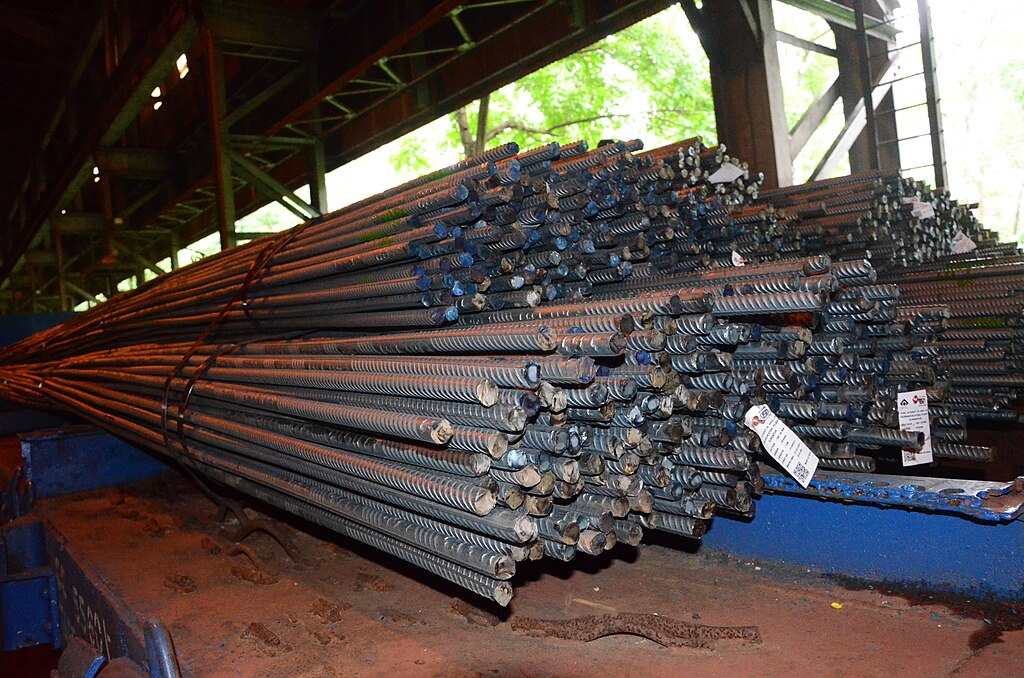
However, sectors like solar, steel, and textiles underperformed. A December 2024 analysis revealed that key solar firms like Reliance, Adani, and JSW failed to meet targets or even begin production. The commerce ministry rejected calls to extend the PLI timeline, citing fairness concerns.
Officials maintain that India remains committed to manufacturing growth and may pivot to investment-based incentives instead of performance-linked payouts.
Trade experts warn that India may have missed a critical opportunity, especially amid shifting global supply chains and increasing pressure from U.S. trade policies. The PLI scheme, once seen as a cornerstone of "Make in India," now highlights the challenges of executing large-scale industrial policy in a complex bureaucracy.







