


 Trump Bans CNN, MS NOW and Politico From White House
  RBA Says ASX Still Falls Short on Governance and Risk Controls
  Nike Earnings at Risk as UBS Cuts Price Target to $42
  Meta Unveils Muse Charm AI Device, Expands Smart Glasses Lineup
  Paramount Skydance Faces $30 Million Film Penalty in Warner Bros. Deal
  McDonald’s Sees Flat Traffic, Sticky Inflation as New Normal
  Paramount-Warner Bros $110 Billion Deal Draws Antitrust Backlash
  U.S. 10-Year Treasury Yield Hits 2007 High as Fed Rate Hike Bets Rise
  Oil Prices Rise as U.S.-Iran Talks Fuel Diplomacy Hopes
  Asian Currencies Muted as Dollar Firms Ahead of Trump-Xi Summit
  US, China Extend Trade Truce to Jan. 10 Ahead of Trump-Xi Summit
  Canada Unveils Bill to Fast-Track Major Resource Projects
  Oil Prices Tumble on U.S.-Iran Diplomacy Hopes, Supply Relief
  CNN, MS NOW and Politico Sue Trump Over White House Media Ban
  China Reviews Broadcom Switch Use in State Data Centres
  Gold Prices Rise as Oil Slump Eases Fed Rate Hike Fears
  Wall Street Falls as Treasury Yields Surge, Oil Rebounds on Iran Tensions


 Add as a preferred source on Google
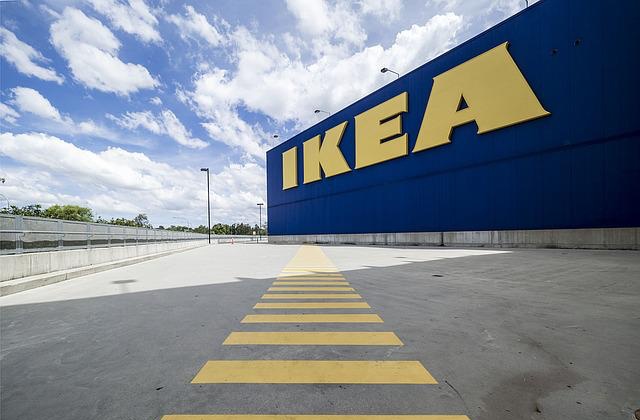
IKEA will be turning its stores into online distribution centers, and for this project, its operator, the Ingka Group, is investing $3.2 billion or around €3 billion. The retailer is adapting the e-commerce system, so it is converting new and existing stores until 2023.
According to Reuters, a big portion of the funds will go to the modification of IKEA’s out-of-town stores so they can also function as e-commerce distribution hubs. The Ingka Group’s retail manager, Tolga Oncu, further told the publication that the investment money is set to be spent across all regions, and about a third of it is reserved for London outlets, where IKEA usually tests new store formats and logistics systems.
"Most of it will be in our existing stores since we talk about transforming, redesigning the purpose of the square meters," Oncu explained in an interview, "We feel we have a catch-up to do on the back-end of our operation and we have realized that by including stores in our last mile and fulfillment design network we can create a win-win situation."
Ingka has already made some adjustments in the past few years as online shopping has become the trend and most preferred option of consumers. The company took this step by developing smaller store outlets and modifying its website. It also launched a new app and started offering digital services such as remote planning tools.
With the investment and modifications on IKEA stores, shipment of online purchases will be faster as they will be coming from warehouses in nearby out-of-town stores. This will also help customers save on deliveries as it will be lower due to the shorter distance compared to shipping from a few major logistics centers.
EuroNews further reported that IKEA is also planning to include stores in Oxford Street in London and the distribution hub located in the eastern part of the British capital in the e-commerce center project. The Ingka Group will be automating these facilities as well.
It was mentioned that one of IKEA's big box stores in Kuopio, Finland, has already been remodeled to include equipment and systems that will help the company meet the new demands of online shoppers. After the overhaul, shoppers in Finland are now enjoying faster deliveries of their purchases and lower cost.
Meanwhile, the automation plans and redesigning of its IKEA stores located out of town come as many businesses are shifting to e-commerce and selling their products online. The geopolitical tensions, high inflation, and weakening consumer confidence have also pushed companies to adopt a new model of selling to cope with the changing shopping habit and environment.







