


 OpenAI Scraps GPT-6.1 Astra Launch Over Safety Concerns
  Pepco Raises FY26 Earnings Outlook, Unveils €400 Million Buyback
  Bitget Resumes Crypto Withdrawals After $388M Security Breach
  Samsung Invests $1 Billion in KKR’s Helix AI Infrastructure
  Morgan Stanley Launches Digital Asset Lab for Stablecoins and Tokenization
  U.S. Stock Futures Steady as AI, Rate Concerns Weigh
  XRP Price Targets $1.70 as Bullish Momentum Builds
  Japan Warns Markets Over Yen Weakness
  QNT Whales Move $10M to Exchanges After 400% Rally
  China Industrial Profit Growth Slows as Weak Demand Offsets AI Gains
  Hengrui Shares Rise on $2.6 Billion Novo Nordisk Obesity Drug Deal
  Bitwise Launches NEAR ETF as $562 Bull Case Fuels AI Crypto Buzz
  Gold Slides Below $4,300 as Oil Surge Fuels Fed Rate Hike Bets
  Pi Network Price Holds $0.087 as Protocol 28 Mainnet Upgrade Nears
  Hong Kong Home Prices Stabilize in August After July Decline
  China Cuts Tariffs on U.S. Farm Goods but Excludes Soybeans
  Oil Prices Rise as Iran Holds Firm on Strait of Hormuz Deal


 Add as a preferred source on Google
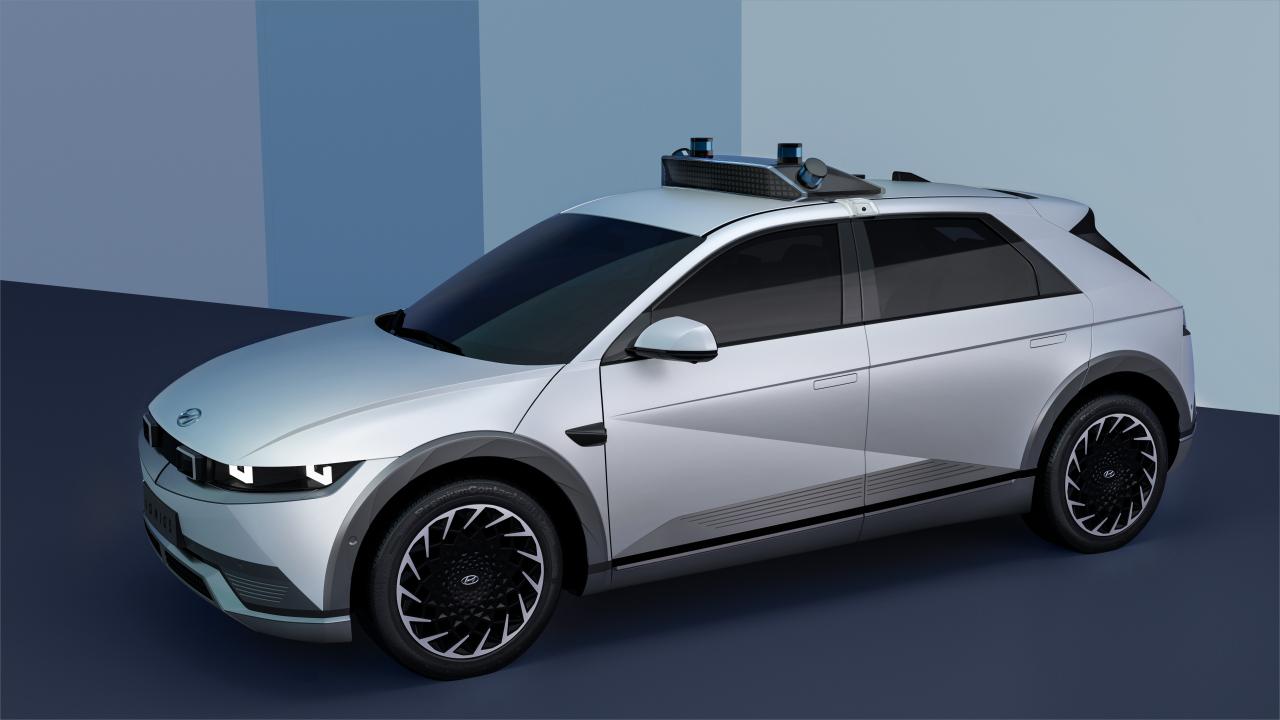
Hyundai Motor Group has unveiled a brake failure response system for autonomous vehicles, which checks the operation of the main braking device through an engine control unit (ECU).
The response was posted on its corporate website.
After the system checks the operation of the main braking device but there is no response, it checks whether braking is possible through an assistant braking device.
If the assistant braking device is not available, it sends a signal to the nearest self-driving control system indicating a braking system problem.
The control system sends a rescue signal to the autonomous rescue vehicles that are closest to the broken-down vehicle.
The car rescues the troubled vehicle by taking control of its steering system based on the information provided.
Staying in front of the troubled vehicle, the rescue car reduces the speed of the troubled vehicle by contacting the bumper and completely stops it through vehicle control.
According to a Hyundai Motor Group official, the core part of the technology is to reduce the risk of accidents via mutual interactions with other surrounding vehicles using wireless communication.
Hyundai Motor has filed for patent protection for the new system.







