


 Ukrainian Drones and the #MadeByHousewives Movement: Kyiv Fires Back at Rheinmetall CEO
  Cathay Pacific Holds Firm on Flight Capacity Amid Middle East Conflict and Rising Fuel Costs
  Chinese Universities with PLA Ties Found Purchasing Restricted U.S. AI Chips Through Super Micro Servers
  Norma Group Posts Revenue Decline in 2025, Eyes Modest Recovery in 2026
  Nomura Upgrades PDD Holdings to Buy, Calls Stock Too Cheap to Ignore
  BlackRock CEO Larry Fink Earns $37.7 Million in 2025 Amid Record Growth
  TSMC Japan's Second Fab to Produce 3nm Chips by 2028
  Microsoft Eyes $7B Texas Energy Deal to Power AI Data Centers
  Unilever and Magnum Face Defamation Lawsuit Over Ben & Jerry's Board Chair Dismissal
  Brown-Forman and Pernod Ricard in Merger Talks to Create World's Largest Spirits Giant
  RBC Capital: European Medtech Firms Show Minimal Middle East and Energy Risk Exposure
  SMIC Allegedly Supplies Chipmaking Tools to Iran's Military, U.S. Officials Warn
  Bank of America's $72.5M Epstein Settlement: What You Need to Know
  Russell 1000 Companies Hit $2.2T Cash Record While Aggressively Reinvesting in Growth
  Apple Turns 50: From Garage Startup to AI Crossroads
  Cybersecurity Stocks Tumble After Anthropic's Claude Mythos AI Leak Sparks Market Fears
  KPMG UK Cuts 440 Audit Jobs Amid Low Attrition and Cooling Professional Services Demand


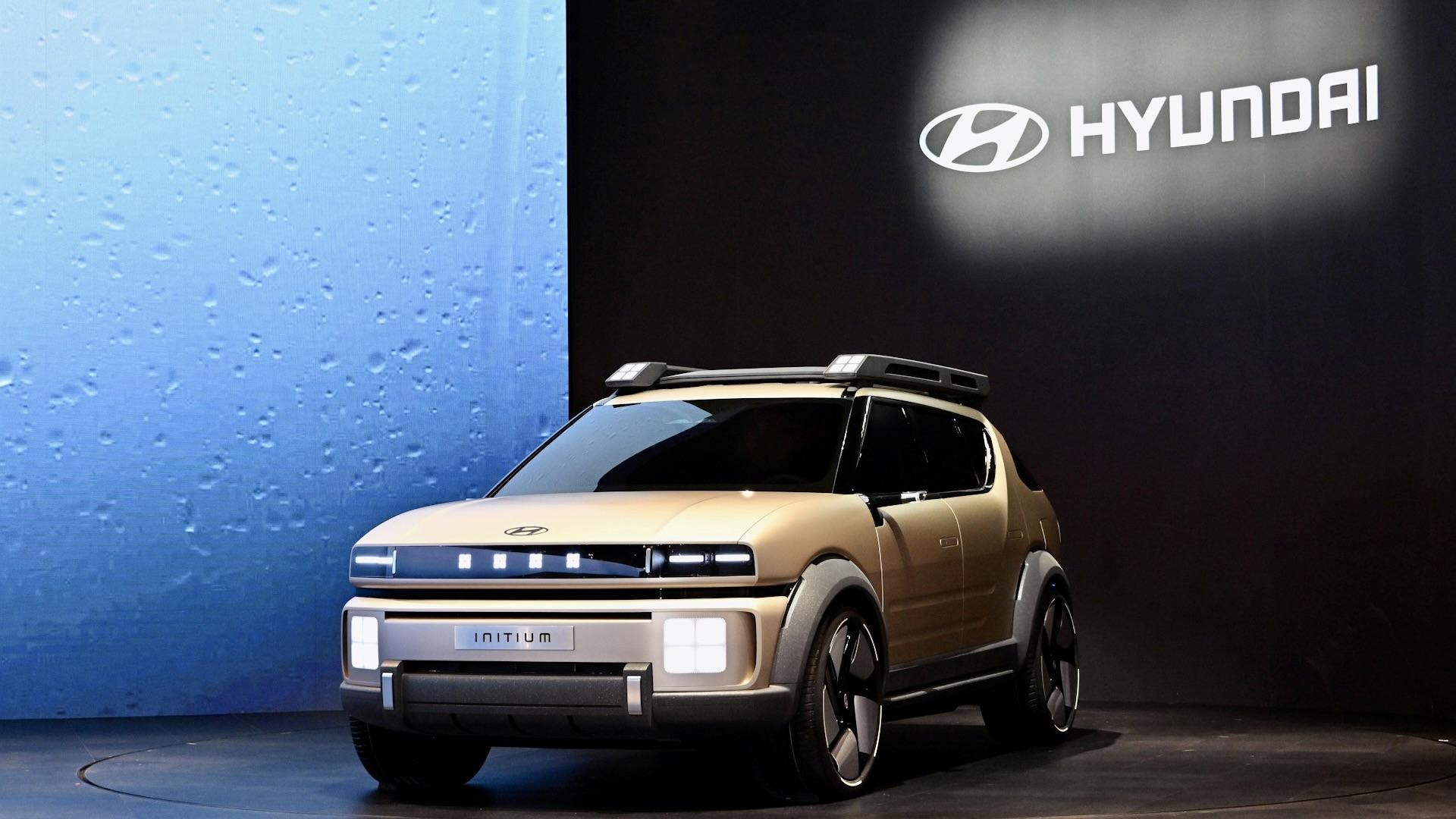
Hyundai Motor Co. shares fell sharply on Tuesday after U.S. President Donald Trump announced plans to increase tariffs on certain South Korean imports, citing delays by Seoul in implementing a recent trade agreement with Washington. The comments rattled investor sentiment around South Korea’s export-heavy auto sector, sending Hyundai and Kia shares lower despite broader market resilience.
Hyundai Motor (KS:005380) dropped as much as 5% in early trading, marking its fourth consecutive session of losses. The decline came after the stock had reached a series of record highs earlier in the month, driven by optimism around future growth areas such as robotics and autonomous driving. Kia Corp (KS:000270), Hyundai’s sister company, also came under pressure, falling more than 3% during the session.
The two automakers are among South Korea’s largest exporters of vehicles to the United States, making them particularly sensitive to any changes in U.S. import tariffs. Trump stated that tariffs on South Korean autos, lumber, and pharmaceutical products would be raised to 25%, while criticizing the South Korean government for delays in enacting a trade deal with the U.S. However, he did not specify when the tariff increases would take effect, leaving room for uncertainty and speculation in the markets.
Hyundai has previously announced a range of investments in the United States, aiming to strengthen its local manufacturing footprint and reduce exposure to potential trade barriers. These efforts were widely seen as an attempt to appease the Trump administration and mitigate the risk of steep tariffs on imported vehicles.
While Hyundai shares underperformed, the broader South Korean stock market showed relative strength. The benchmark KOSPI index gained around 0.7%, supported by advances in major chipmakers, as investors appeared to downplay the immediate impact of Trump’s remarks.
Still, analysts noted that Hyundai remained vulnerable to profit-taking after its strong recent rally. With tariff uncertainty resurfacing and investors reassessing near-term risks, Hyundai and Kia stocks could continue to face volatility, particularly if trade tensions between the U.S. and South Korea escalate further.







