


 Nvidia Confirms Major OpenAI Investment Amid AI Funding Race
  SpaceX Seeks FCC Approval for Massive Solar-Powered Satellite Network to Support AI Data Centers
  Trump Threatens Aircraft Tariffs as U.S.-Canada Jet Certification Dispute Escalates
  CSPC Pharma and AstraZeneca Forge Multibillion-Dollar Partnership to Develop Long-Acting Peptide Drugs
  Bob Iger Plans Early Exit as Disney Board Prepares CEO Succession Vote
  Federal Judge Signals Possible Dismissal of xAI Lawsuit Against OpenAI
  Sandisk Stock Soars After Blowout Earnings and AI-Driven Outlook
  Apple Earnings Beat Expectations as iPhone Sales Surge to Four-Year High
  Nvidia’s $100 Billion OpenAI Investment Faces Internal Doubts, Report Says
  OpenAI Reportedly Eyes Late-2026 IPO Amid Rising Competition and Massive Funding Needs
  Apple Faces Margin Pressure as Memory Chip Prices Surge Amid AI Boom
  Oracle Plans $45–$50 Billion Funding Push in 2026 to Expand Cloud and AI Infrastructure
  US Judge Rejects $2.36B Penalty Bid Against Google in Privacy Data Case
  Using the Economic Calendar to Reduce Surprise Driven Losses in Forex
  Pentagon and Anthropic Clash Over AI Safeguards in National Security Use
  Disney Board Nears CEO Decision as Josh D’Amaro Emerges as Leading Candidate
  Boeing Secures New Labor Contract With Former Spirit AeroSystems Employees


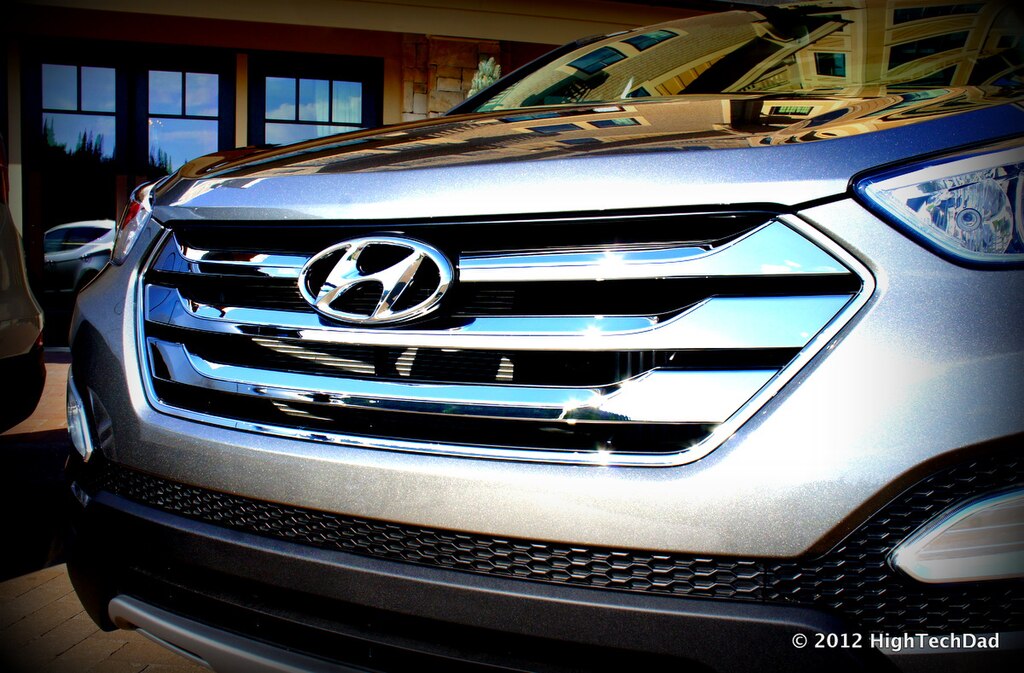
South Korean automaker Hyundai Motor has officially allowed a buyback option for its former manufacturing plant in Russia to expire, underscoring how the ongoing war in Ukraine continues to reshape the global automotive industry and foreign investment landscape in Russia. The company confirmed on Monday that it did not exercise its right to repurchase the factory, which had been sold last year to Russia’s AGR Automotive Group for a symbolic price of 140,000 won, or about $97.
Before the conflict, Hyundai Motor and its affiliate Kia were the largest foreign carmakers operating in Russia, with strong sales and local production that supported their market leadership. However, Russia’s invasion of Ukraine in 2022 triggered sweeping Western sanctions, severe supply chain disruptions, and payment difficulties, prompting Hyundai and many other global automakers to suspend or halt local manufacturing activities.
As a result of these exits, Chinese automotive brands have rapidly expanded their presence in the Russian market over the past four years, filling the gap left by South Korean, European, and Japanese manufacturers. This shift has significantly altered competitive dynamics in one of the world’s previously fast-growing auto markets.
In 2024, Hyundai finalized the sale of its Russian plant to AGR Automotive Group, while securing an option to buy the facility back within a fixed timeframe. That option expired in January 2026 without being exercised. According to a Hyundai Motor spokesperson, the company remains focused on supporting existing customers in Russia, even as it stays out of local production. Hyundai emphasized that it continues to provide warranty repairs and customer care services for vehicles previously sold in the country and plans to maintain these services going forward.
Reuters had reported in December that Hyundai was unlikely to repurchase the factory due to the continued uncertainty surrounding the war in Ukraine. The decision highlights how geopolitical risks, sanctions, and long-term instability are discouraging major automakers from re-entering the Russian manufacturing sector, despite potential strategic or financial incentives.













