


 EU Antitrust Probe Could Lead to Massive Google Fine Under DMA Rules
  Samsung to Invest $1.5 Billion in Vietnam Semiconductor Testing Plant by 2027
  Samsung Union Dispute Escalates Over Semiconductor Bonus Vote
  MongoDB Q1 FY2027 Earnings Beat Expectations, Raises Full-Year Outlook
  PDG Explores $1 Billion Sale of China Data Center Assets
  Marvell Stock Rises After Record Q1 FY2027 Earnings Fueled by AI Demand
  Huawei Chip Breakthrough Sparks Rally in Chinese Semiconductor Stocks
  Lam Research Expands AI-Powered Semiconductor Tools and Arizona Operations
  Morgan Stanley Names Top AI Security and Data Center Stocks for 2026
  Synopsys Q2 FY2026 Earnings Beat Driven by AI and Semiconductor Demand
  Elon Musk Explores Possible Tesla-SpaceX Merger Amid Growing AI Investments
  SpaceX IPO Hype Raises Questions as Many Major Stock Debuts Underperform Market
  Meta AI Push Could Add $26 Billion in Revenue by 2027, Wolfe Research Says
  Samsung Workers Approve Wage Deal, Avoiding Major Strike and Boosting Chip Supply Confidence
  Snowflake Stock Soars 30% After Q1 Earnings Beat and Major AWS AI Partnership
  Blue Origin New Glenn Rocket Explodes During Launch Pad Test, Delaying Space Ambitions
  Macquarie Names Five Taiwan AI Stocks Set to Benefit From Data Center Growth in 2026


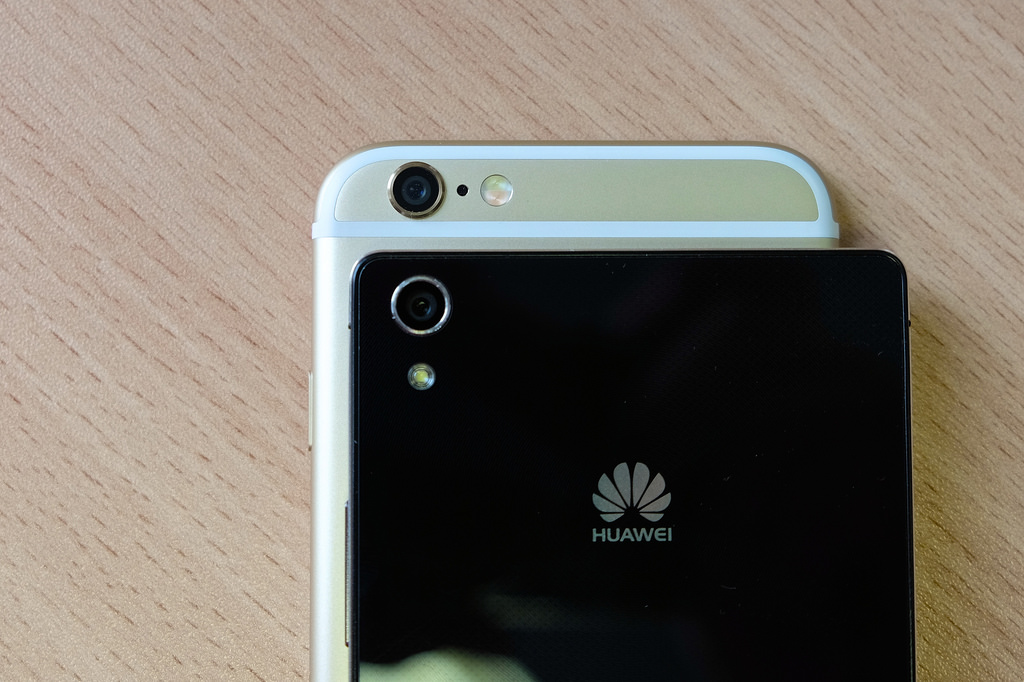
News about a canceled deal between U.S. carrier AT&T and Chinese mobile manufacturer Huawei recently broke, despite the fact that the deal was never confirmed by either side. However, during the Consumer Electronics Show, the CEO of Huawei decided to speak on the matter. Not only did he basically confirm that there was actually a negotiation, he also blasted U.S. carriers for the deal falling through.
Huawei big boss Richard Yu was a keynote speaker during the CES, at which point he brought up the widely reported failed deal, PC Mag reports. Running up to the speech, neither the Chinese firm nor AT&T had officially said anything about there being a negotiation between the two companies. Rumors have been swirling that it involved the carrier selling Huawei’s mobile devices and Yu just confirmed this.
"I think it's quite a big loss for us and also for the carriers, but it's more of a big loss for consumers," Yu said during his speech.
Prior to news about the failed deal breaking out, the industry expected Yu to make a very different kind of announcement during the CES. Now, speculations turn to the reason for why AT&T said no and the top item on the list appears to involve the security risks reportedly posed by Huawei.
According to a Reuters report on the matter, the U.S. carrier might have been under pressure to drop the deal with the Chinese company by the U.S. Senate and House intelligence committees. The members apparently sent a letter to the Federal Communications Commission regarding the deal, expressing concern about potential espionage.
Huawei is infamous for its supposed dealings with the Chinese government, offering consumer data to the heavy-handed surveillance arm of the country. It would appear that the lawmakers were worried that a deal with a major U.S. carrier like AT&T would allow China to spy on Americans.







