


 Dollar Falls as Oil Eases, Yen Jumps on Intervention Signals
  OpenAI Urges US-Led Global Standards for Frontier AI
  Meta Connect Spotlights Camera-Free Smart Glasses Amid Privacy Concerns
  Gold Prices Fall as Treasury Yields Rise on Fed Rate Hike Bets
  Gold Holds Near $4,275 as Rising Treasury Yields Fuel Fed Rate Hike Bets
  Former OpenAI Data Center Chief Chris Malone Joins Nvidia
  Asian Stocks Fall as Bond Yields Surge Ahead of Trump-Xi Summit
  U.S. Treasury Yields Surge as 30-Year Hits 22-Year High
  US Comfortable With Canada Trade Standoff as Import Bans Loom
  Meta Found Liable in New Mexico Facebook Data Privacy Case
  US Stock Futures Fall as Treasury Yields Surge Ahead of Trump-Xi Summit
  Fed Unveils Stablecoin Rules Under GENIUS Act
  Dollar Holds Near Two-Month High as Yen Approaches 160
  Oracle Shares Fall as New Mexico AI Data Center Faces Power Delays
  Australia Unemployment Hits Five-Year High Despite Strong Jobs Growth
  BlackBerry Shares Rise as Q2 Earnings, Revenue Beat Estimates
  Wall Street Ends Flat as Oil, Treasury Yields and Fed Jitters Rattle Markets


 Add as a preferred source on Google
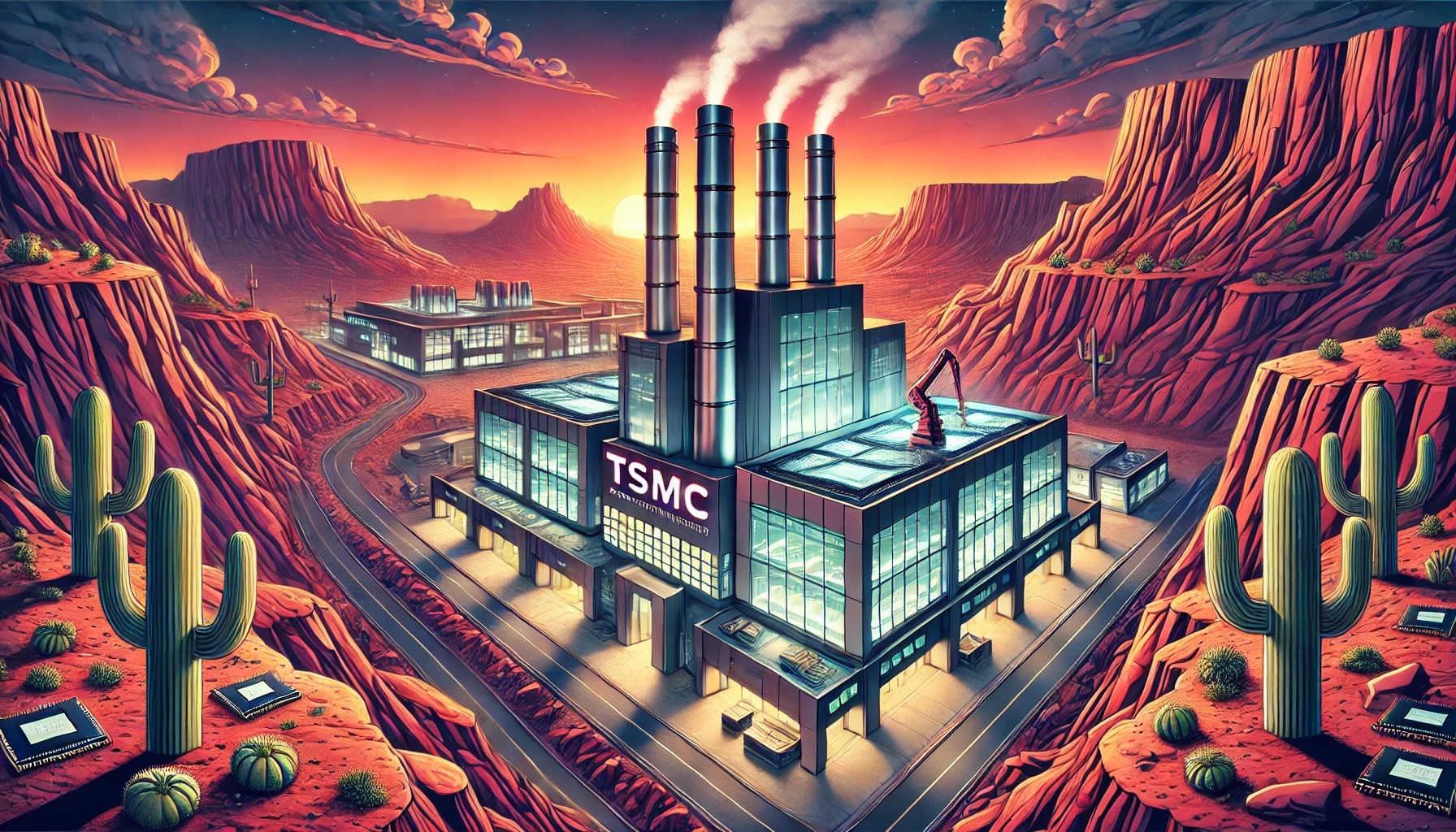
TSMC's Arizona facility is set to begin 4nm chip production in 2025, producing 20,000 wafers monthly. Despite its pivotal role in the US semiconductor industry, costs are expected to be 30% higher than in Taiwan, raising concerns for major clients like Apple and Nvidia.
Arizona Facility Signals TSMC's Global Expansion
Next year, TSMC's Arizona factory will begin manufacturing. A lot has changed for the Taiwanese behemoth since the passing of the CHIPS Act, including TSMC's construction of one of the largest overseas facilities.
According to a source from Yonhap, a Korean media outlet, TSMC's 4nm process would reportedly be manufactured at their Arizona facility in the Phase 1 (1A) plant region. However, clients in the US should be aware that production prices in Arizona are projected to be 30% more than in Taiwan.
Major Tech Companies Among Key Clients
The Arizona factory is said to have an initial monthly wafer production capacity of 20,000 units, with Apple, Nvidia, AMD, and Qualcomm being the main customers, according to the article.
In Phase 2, TSMC intends to mass-produce 2 nm in 2028, however this is currently uncertain, particularly in light of the difficulties surrounding "technology transfer" between the US and Taiwan. Despite rumors that the facility will be in charge of 4 nm manufacturing, this is only a Phase 1 plan.
Arizona's Higher Production Costs Raise Concerns
The fact that customers will allegedly pay substantially extra to have TSMC's products made at their Arizona factory rather than imported from Taiwan is another intriguing aspect brought up here.
Rumor has said that TSMC's Arizona production costs will be 30% higher than expected, WCCFTECH shares. This is supposedly because the US is lacking on semiconductor supply chains and ingredients needed to stabilize process yield rates.
When major IT companies begin buying from TSMC Arizona, the prices they pay can end up reflecting in the prices consumers pay for their products.
Despite the Trump administration's disapproval of TSMC's domestic operations, the company will remain an important player in the future of the US semiconductor industry.







