


 FDA Pilot Program Eases Rules for Nicotine Pouch Makers
  NASA's Artemis II Crew Arrives in Florida for Historic Moon Mission
  Blue Origin’s New Glenn Achieves Breakthrough Success With First NASA Mission
  Cogent Biosciences Soars 120% on Breakthrough Phase 3 Results for Bezuclastinib in GIST Treatment
  Eli Lilly’s Inluriyo Gains FDA Approval for Advanced Breast Cancer Treatment
  Neuralink Plans High-Volume Brain Implant Production and Fully Automated Surgery by 2026
  NASA Artemis II: First Crewed Moon Mission Since Apollo Takes Four Astronauts on 10-Day Lunar Journey
  Trump and Merck KGaA Partner to Slash IVF Drug Costs and Expand Fertility Coverage
  Blue Origin New Glenn Explosion Could Delay Launch Operations Until 2028
  Is space worth the cost? Accounting experts say its value can’t be found in spreadsheets
  Trump Administration to Launch Autism Initiatives Targeting Acetaminophen Use and New Treatment Options
  SpaceX Prioritizes Moon Mission Before Mars as Starship Development Accelerates


 Add as a preferred source on Google
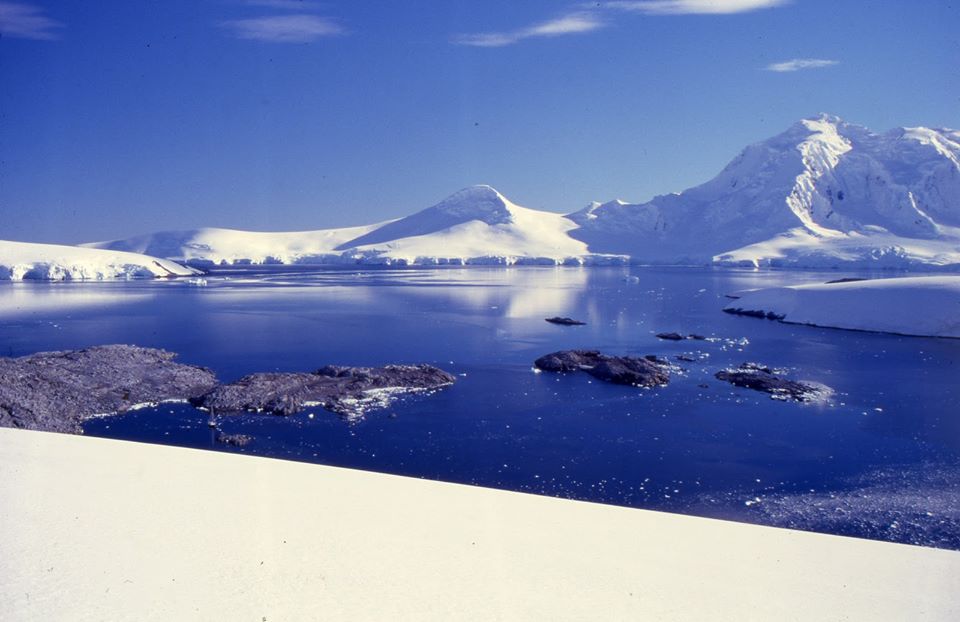
Antarctica has one of the harshest climates on the planet with the entire planet covered by an ice sheet averaging two kilometers in thickness. That’s why Russian scientists were not too sure what exactly what they might find when they decided to drill a hole through the ice near their Vostok Station.
Apparently, there’s a very large lake underneath the ice, which is also named after the station. Lake Vostok is said to be the largest of the 400 known subglacial lakes in Antarctica and roughly measures 15,000 square kilometers, according to a report by Express.
“When scientists decided to look under the ice of Antarctica, what they saw surprised not only ordinary people but also the researchers themselves,” the narrator of the documentary covering the exploration said. The series was posted on the YouTube channel, Riddle.
Getting to the unfrozen lake waters is tough. The lake actually sits beneath a layer of ice that is kilometers thick. “This giant pond is hidden under a huge layer of ice, with a thickness of 11,886 feet, or 3,623 meters,” the series said.
With temperature way past freezing point and immense pressure, the scientists did not expect to find life there. “Few organisms living on Earth can survive in such an adverse environment, however, scientists still managed to find life in such extreme conditions,” the documentary added.
It must be noted that Late Vostok is practically isolated from the rest of the world. This means that the freshwater there remained untouched for millions of years and that whatever life form it holds are the remnants of what the ecosystem was like in the past.
“At the time, it was completely unlike anything they had ever seen before, researchers discovered a new type of bacteria, that was given the name W123-10, the DNA of this is only 86 percent identical to other living things on planet Earth,” the documentary said.
The discovery of life beneath the Antarctic ice may have a big impact on NASA’s search for life in outer space as well. “There were traces of around 3,500 species of living organisms living in the lake, which has led researchers to a very important hypothesis. Since there are probably such lakes under the ice of Mars, it’s quite possible that life could also exist there.”







