


 Glastonbury is as popular than ever, but complaints about the lineup reveal its generational challenge
  Meta Found Liable in New Mexico Facebook Data Privacy Case
  Akamai Shares Surge on $11.6B Anthropic AI Cloud Deal
  Britain has almost 1 million young people not in work or education – here’s what evidence shows can change that
  Why a ‘rip-off’ degree might be worth the money after all – research study
  Europe’s AI Data Centre Boom Strengthens Case for Nuclear Power
  Disaster or digital spectacle? The dangers of using floods to create social media content
  The American mass exodus to Canada amid Trump 2.0 has yet to materialize
  Dubai’s connectivity remains strong in an uncertain world
  Yes, government influences wages – but not just in the way you might think
  US Backs Musk in Fight Against EU’s €120 Million X Fine
  Costco Revenue Beats Estimates as Inflation Drives Bulk Shopping
  Debate over H-1B visas shines spotlight on US tech worker shortages
  Tesla Semi Rollout Begins at Nevada Factory
  Want to cut your energy bills? Here’s how five experts are doing it
  6 simple questions to tell if a ‘finfluencer’ is more flash than cash


 Add as a preferred source on Google
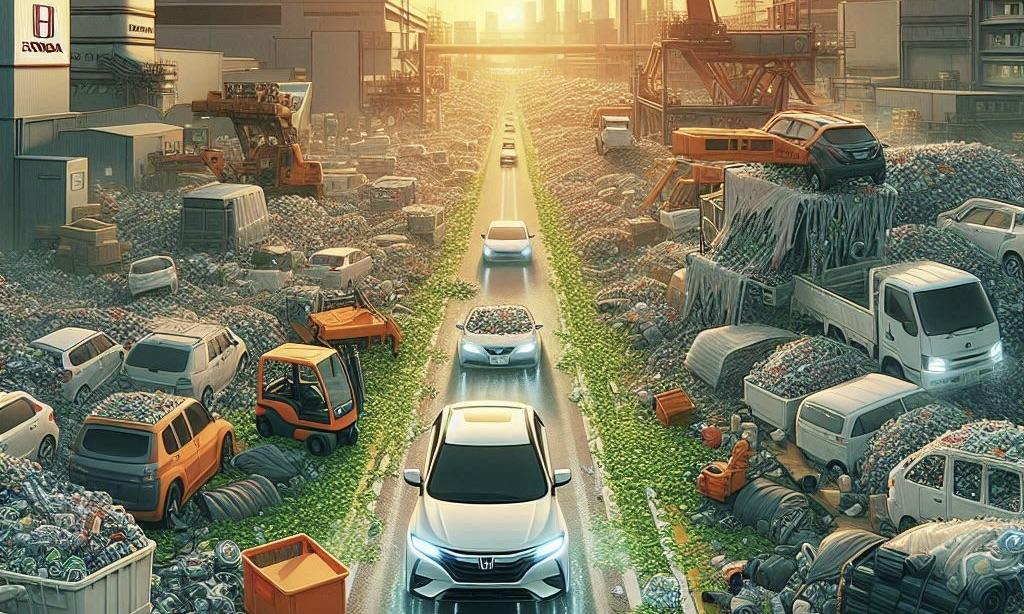
Honda and Nissan are spearheading a movement in Japan to incorporate recycled plastic into vehicle manufacturing. In response to upcoming European regulations, these automakers are developing supply chains and technologies to meet new environmental standards, aiming for a sustainable future in automotive production.
Honda and Nissan Pioneer Recycled Plastic Supply Chains to Meet Upcoming EU Vehicle Regulations
Nikkei has learned that Honda Motor and Nissan Motor are among the Japanese automakers establishing supply channels for recycled plastic to comply with the anticipated new European regulations and make their vehicles more environmentally friendly.
Plastic is a critical component of automobile production, serving as fenders, interiors, and other elements. According to a 2023 proposal by the European Commission, a minimum of 25% of the plastic in a new vehicle would be recycled. The potential for noncompliant new cars to be prohibited from being sold in the European Union is heightened because this regulation would be fully implemented as early as 2031.
The Tokyo-based Plastic Waste Management Institute reported that auto parts accounted for only approximately 3% of Japan's total plastic recycled into new products in 2022. The time-consuming process of sorting plastic fragments after vehicles are scrapped has made it difficult for automakers in Japan to recycle plastics.
According to Nikkei Asia, Honda aims to establish a supply chain for recycled plastic by approximately 2040 through partnerships with recycling companies and chemical manufacturers. The number of plastic types used in new vehicles is proposed to be reduced by approximately 60% to six or seven, simplifying the recycling station sorting process. The Honda E, Honda's inaugural mass-produced electric vehicle, employed approximately 25 plastic varieties.
Honda will seek the assistance of Mitsubishi Chemical Group and Toray Industries to convert the plastic collected into materials suitable for automobile use. Impurities may compromise the strength of the plastic. The collaborators aspire to create and market technologies that enhance the quality of recycled plastic to a level comparable to that of current products.
Other members of the automotive industry are also pursuing recycled plastic. Nissan and Renault will implement an initiative to recycle plastic from discarded electric vehicles and incorporate it into new cars manufactured in Europe. Nissan is contemplating the possibility of investing in a Renault recycling unit; however, the investment's specifics will be determined later.
Toyota and Subaru Set Ambitious Targets for Recycled Plastic in Vehicles Amid Rising Costs
By 2030, Toyota Motor has established a goal of ensuring that recycled plastic comprises 30% or more of the plastic used in new vehicles manufactured in Japan and Europe, according to their weight.
Toyota's Land Cruiser 250 series of sport utility vehicles is upholstered with fabric derived from plastic bottles collected in-house by the automaker. Toyota nearly doubled the amount of recycled plastic used in the C-HR small SUV sold in Europe compared to its predecessor.
Subaru's objective is to ensure that by 2030, recycled materials comprise at least 25% of the plastic used in new in-house models sold globally.
Their increased cost impedes the widespread adoption of recycled plastic auto parts. The cost of recycled plastic is estimated to be between 50% and three times that of conventional plastic. A substantial rise in the utilization of recycled plastic may adversely affect automakers' earnings.
The Japanese government will assist the endeavor by establishing a public-private partnership as early as September. The Japan Automobile Manufacturers Association (JAMA), of which Toyota and Honda are members, and the Plastic Waste Management Institute are among the approximately ten organizations anticipated to be included in this group, with the Environment Ministry serving as the coordinator.
The members of this new entity will collaborate on matters such as providing recycled plastic. The ministry will evaluate the necessity of investing.
Mercedes-Benz and BMW are among the automakers that are implementing more recycled plastic in response to the anticipated regulatory tightening in Europe. According to MarketsandMarkets, an India-based research company, the market for recycled materials for automobiles, including plastic, is expected to expand by approximately 60% from its current $2.2 billion in 2022 to $3.9 billion in 2027.







