


 SpaceX Hires Natural Gas Trader to Meet Growing Energy Needs
  Moody’s Upgrades Vodafone Hybrid Debt Ratings to Baa3
  Alibaba Shares Fall as AI Spending Hits Profit
  Coty Revenue Beats Estimates as Beauty Demand Holds Firm
  Anthropic Eyes $10B-Plus Credit Line Ahead of Potential IPO
  Samsung Eyes $72 Billion Shareholder Return Plan as AI Chip Boom Fuels Profits
  Amazon to Expand Drone Delivery to 500 U.S. Locations
  Nordson Stock Rises as Q3 Earnings Beat Estimates, Outlook Raised
  REPAY Stock Rises After Visa Platform Connect Collaboration
  Standard Chartered Expands Hedge Fund Access for Wealth Clients
  Nvidia AI Server Prices Set to Rise as Memory Costs Surge
  Toyota, Honda Shares Rise on Possible U.S.-Canada Auto Tariff Cut
  Hyundai Motor Union Launches First Full Strike in Decade Over Wages, AI Job Risks
  Baidu Shares Sink to One-Year Low as Ad Weakness Overshadows AI Growth
  SK Hynix Shares Surge on Record $28.6 Billion Buyback


 Add as a preferred source on Google
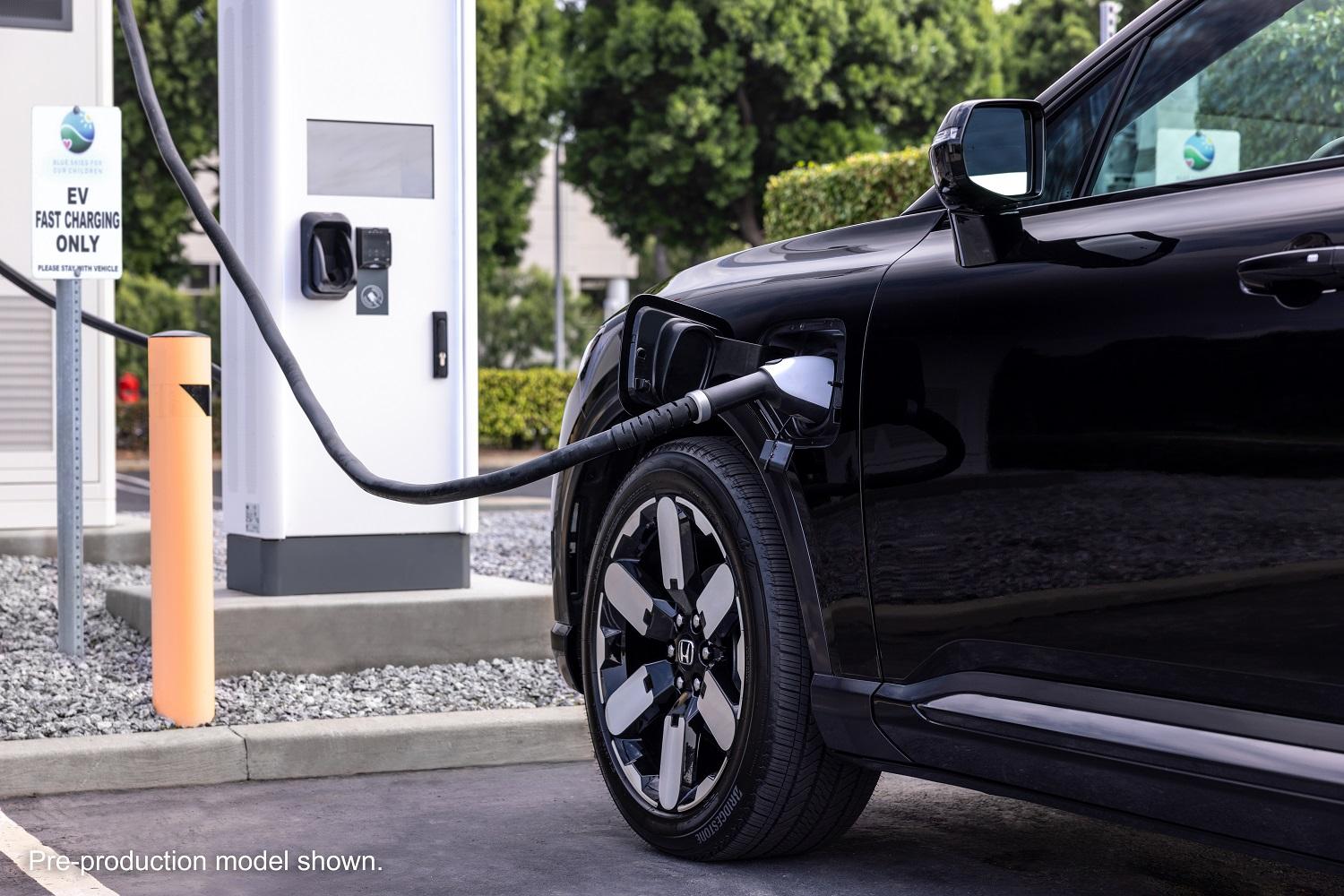
Honda Motor and General Motors have terminated their joint project to develop affordable electric vehicles (EVs) just one year after their initial collaboration. The partnership aimed to challenge Tesla's dominance in the EV market.
Change of Strategy for GM
According to Reuters, GM's decision underscores its shift in focus towards profitability as it grapples with the escalating costs resulting from United Auto Workers strikes.
The company, facing rising expenses of $200 million per week due to these strikes, has decided to slow the launch of several EV models. As a result, GM withdrew its 2023 profit outlook on Tuesday.
Asahi Shimbun reported that despite the dissolution of the joint project, Honda remains committed to bringing affordable EVs to the market. The Japanese company stated that it will continue working towards selling only electrified vehicles by 2040.
After conducting thorough research and analysis, both companies agreed to halt the development of affordable EVs. Honda stated that each company will now focus independently on delivering affordable models to the EV market.
Commitment to Electrified Vehicles
It is important to note that Honda is committed to offering electrified vehicles by 2040, emphasizing its dedication to sustainability and reducing carbon emissions.
The initial agreement between Honda and GM, signed in April of the previous year, aimed to develop a range of lower-cost EVs based on a new joint platform. Utilizing GM's Ultium battery technology, these vehicles were expected to hit the market in 2027.
Honda CEO Toshihiro Mibe, in an interview, explained the reasoning behind the dissolution of the partnership. After a year of evaluation, it was determined that pursuing the project would be difficult from a business perspective.
"We are currently ending the development of an affordable EV, as we have deemed it challenging," Mibe stated.
Safety Concerns and Unaffected Partnerships
Notably, the recent safety incident involving Cruise, GM's subsidiary, in California will not impact Honda's separate partnership with GM and Cruise. California authorities ordered Cruise to remove its driverless cars from state roads due to concerns regarding the technology's safety.
Despite this setback, Honda aims to establish a joint venture with GM and Cruise in the first half of 2024 and plans to launch a driverless ride service in Japan by early 2026.
Photo: Honda Newsroom







