


 Microsoft's $10 Billion Japan Investment: AI Infrastructure and Data Sovereignty Push
  SpaceX Eyes Historic IPO at $1.75 Trillion Valuation
  Britain Courts Anthropic Amid US Defense Department Dispute
  Microsoft Eyes $7B Texas Energy Deal to Power AI Data Centers
  Elon Musk Ties SpaceX IPO Access to Mandatory Grok AI Subscriptions
  California's AI Executive Order Pushes Responsible Tech Use in State Contracts
  Nanya Technology Shares Surge 10% After $2.5 Billion Private Placement from Sandisk and Cisco
  Meta Ties Executive Pay to Aggressive Stock Price Targets in Major Retention Push
  TSMC Japan's Second Fab to Produce 3nm Chips by 2028
  Google's TurboQuant Algorithm Sends Memory Chip Stocks Tumbling
  Federal Judge Blocks Pentagon's Blacklisting of AI Company Anthropic
  Apple Turns 50: From Garage Startup to AI Crossroads
  Australia's Social Media Ban for Under-16s Sparks Global Movement
  Cybersecurity Stocks Tumble After Anthropic's Claude Mythos AI Leak Sparks Market Fears
  NASA's Artemis II Crew Arrives in Florida for Historic Moon Mission
  MATCH Act Targets ASML and Chinese Chipmakers in New U.S. Export Crackdown


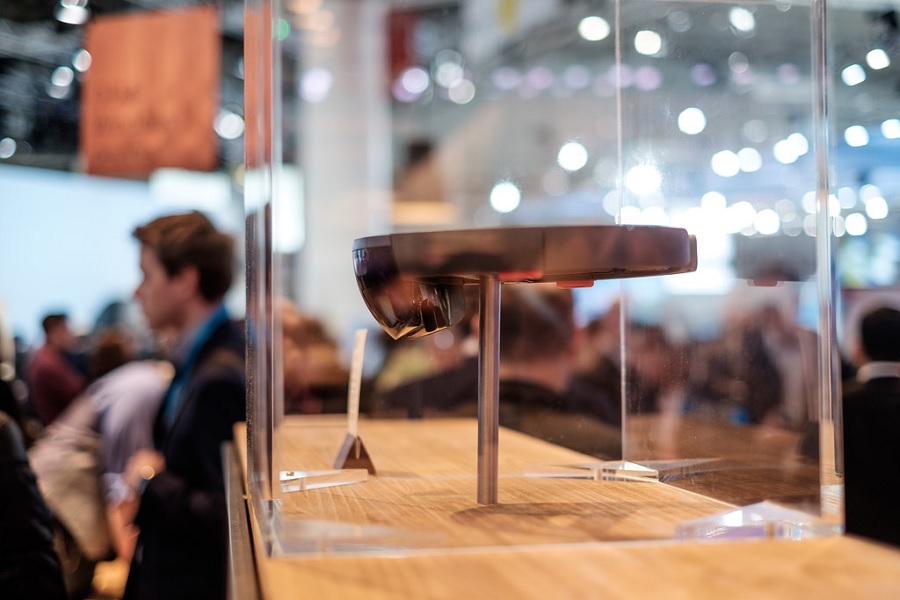
A recent report claimed Microsoft has quietly ended its development of the third generation of HoloLens. However, company executives quickly debunked the report, stating that its line of mixed reality headsets is “doing great.”
A report from Insider, citing multiple sources within Microsoft, claimed that the development of the HoloLens 3 has been scrapped for several months now. Another source told the publication that the supposed cancellation of the project could be signaling the end of the HoloLens line in its current form.
Over the last year, it has become apparent that metaverse is no longer just a buzzword in the tech industry with more companies announcing plans to release products and services focused on 3D virtual networks. An established mixed reality headset series such as HoloLens could give Microsoft an advantage, so the reported cancellation of HoloLens 3 was a surprise to some tech fans.
However, in a statement to Insider, Microsoft spokesperson Frank Shaw maintained that HoloLens is still a “critical part” of the company’s mixed reality and metaverse business. “We remain committed to HoloLens and future HoloLens development,” Shaw said.
HoloLens lead developer and Microsoft technical fellow Alex Kipman also reacted to the report, telling people not to believe what they read on the internet. “#HoloLens is doing great and if you search said internet they also said we had cancelled #HoloLens2... which last I checked we shipped with success,” Kipman said.
The same report claimed there had been internal disagreements on what Microsoft should focus on for the future of HoloLens. Senior engineering executive Rubén Caballero reportedly wanted to direct the HoloLens focus toward consumers and metaverse, while others wanted the product to remain an enterprise-centric product.
Following Kipman’s response, Insider doubled down on its report with a subsequent article (via Windows Central) indicating that the HoloLens 3 was codenamed Calypso before getting canceled in 2021. It was also noted that members of the team that worked on HoloLens had been moved to other projects, while many parted ways with Microsoft. In the original report, the publication pointed out that LinkedIn profiles of at least 25 employees who worked on HoloLens indicate they have left Microsoft and joined Meta (formerly Facebook) last year.
Photo by Kārlis Dambrāns from Flickr under Creative Commons license







