The metaverse is shaking things up in Silicon Valley. Facebook CEO Mark Zuckerberg recently made headlines, as he announced his company would rebrand as Meta. The metaverse, he believes, is the way of the future. And his move didn’t go unnoticed.
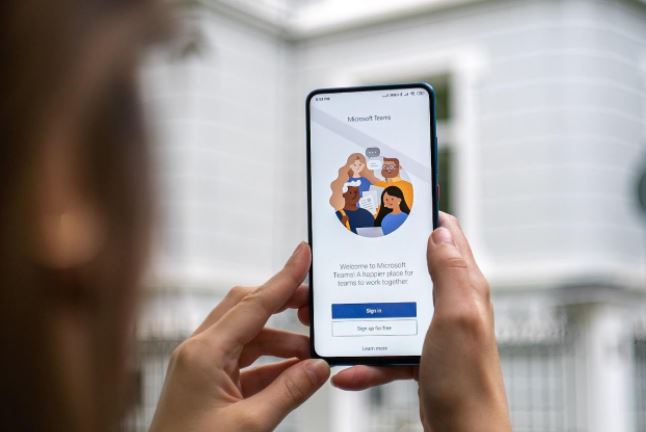
Microsoft, too, has started working on this new ecosystem. The tech giant had already explored mixed reality technology with the HoloLens headset. But it is now venturing into new metaverse territories with Mesh for Microsoft Teams.
Just days after Facebook turned into Meta, Microsoft disclosed its plans to roll out Mesh in the first half of 2022. This collaborative platform aims to add new virtual experiences to corporate meetings and video calls on its productive tool Microsoft Teams. With Mesh, co-workers will be able to participate in business reunions as animated avatars.
And the timing is all but accidental, since the pandemic has redrawn the lines of the workspace model. Business is turning into a hybrid of in-office attendance and remote working. However, the multiplication of virtual reunions has led to meeting fatigue. Indeed, turning the camera on might increase the sense of connection between co-workers. But in return, users find it increasingly harder to remain engaged during extended calls.
Microsoft’s research organization first responded to the issue with its Together Mode in August 2020. This feature implemented more dynamic meetings with the help of artificial intelligence, which created virtual avatars by segmenting the user’s face and shoulders. Then, it placed the avatar in the virtual space of their liking, from a meeting room to a cozy coffee shop environment.
But the firm intends to push the boundaries even further. To that effect, Microsoft Mesh will bring full-on customized avatars. Even with their camera off, the user might appear on screen as an animated version of themselves. Artificial intelligence will take the personalization up a notch and animate the avatar according to the user’s voice.
Other innovative features on Mesh for Microsoft Teams include built-in translation support to assist international business partners who speak different languages. What’s more, the platform will work across all devices, even if users have no AR or VR headsets.
Microsoft also partnered with professional services company Accenture to build even more engaging environments. Before the pandemic hit, Accenture had made itself known for the Nth Floor, a virtual gathering spot for employees all over the world. Thus, Microsoft Mesh teams designed immersive spaces where co-workers can socialize, collaborate on projects and even play games together.
Over time, Mesh collaborators will be able to deploy even more customized environments. Indeed, the goal is for these immersive spaces to complement face-to-face meetings and traditional emails to better enforce cohesion. And the possibilities might be endless, as we’ve barely scratched the surface of the transformative power of the metaverse.
Indeed, pioneer platforms such as The Sandbox and Decentraland have already shown how revolutionary the metaverse could be. Based on blockchain technology, Decentraland first started in 2017 as a virtual world where users could trade plots of land for cryptocurrencies. Since then, it has turned into a bustling hub of cultural creativity where 3000 users gather daily. The streets of Decentraland now thrive with art galleries selling NFT digital artworks. Exclusive events also take place in this virtual universe, from conferences to casino nights.
And the metaverse craze has come to the mainstream gaming industry, too. Massive battle royale hit Fortnite paved the way with live virtual concerts held by superstars such as Ariana Grande and Travis Scott. Digital transformation also reinvented gambling.
On websites such as Casinos.co.za, you can find the best online casinos to offer live poker or blackjack sessions. Live dealers make for an immersive experience, which rivals the thrilling atmosphere of a land-based casino. Some online casinos even joined in the cryptocurrency hype by allowing players to redeem their bonuses in Bitcoin. But you don’t need to be a crypto enthusiast or buy a VR headset to try your luck at some fun machine slots!
Of course, an elaborate virtual universe à la Ready Player One is still years ahead. Still, Microsoft has every intention of bringing in-depth transformation to the business world with Mesh for Teams. And the metaverse takeover is probably just beginning.
This article does not necessarily reflect the opinions of the editors or the management of EconoTimes