


 Asian Stocks Mixed Ahead of Trump-Xi Meeting
  Gold Prices Rise as Oil Slide Eases Fed Rate Hike Fears
  US Dollar Hits Two-Month High as Fed Rate Hike Bets Rise
  South Korea, US Discuss Warship Building Cooperation
  Japan Private-Sector Growth Slows as Domestic Demand Weakens
  US Stock Futures Rise as Meta Muse Fuels AI Rally
  Oil Prices Extend Losses as U.S.-Iran Talks Ease Supply Fears
  Asian Currencies Mixed as Dollar Holds Near Two-Month High
  Asian Currencies Muted as Dollar Firms Ahead of Trump-Xi Summit
  Dollar Hits Two-Month High as Fed Rate Hike Bets Rise
  Australia Unemployment Hits Five-Year High Despite Strong Jobs Growth
  RBA Says ASX Still Falls Short on Governance and Risk Controls
  Oil Prices Ease as Iran Tensions Clash With Diplomacy Hopes
  Oil Prices Surge as U.S.-Iran Diplomacy Hopes Fade
  Oil Prices Rise as U.S.-Iran Talks Fuel Diplomacy Hopes
  U.S. 10-Year Treasury Yield Hits 2007 High as Fed Rate Hike Bets Rise
  Russian Envoy Dmitriev Heads to US for Ukraine Talks


 Add as a preferred source on Google
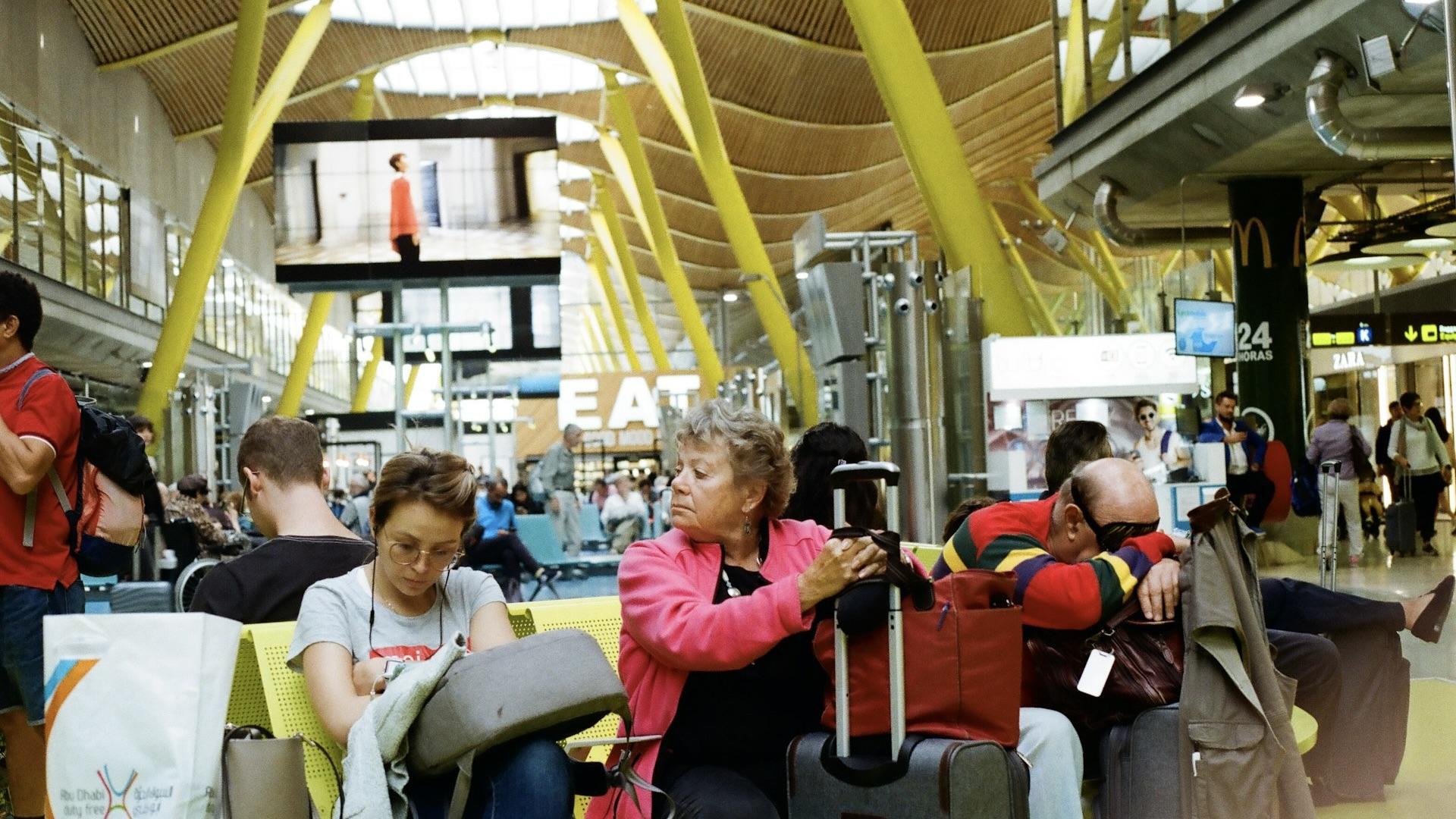
The TSA has warned that a government shutdown could severely disrupt airport operations during the holiday season. With 59,000 essential staff working unpaid, record passenger volumes may result in longer wait times unless lawmakers act quickly to avoid the funding crisis.
Higher Airport Wait Times Feared Amid Looming Shutdown
TSA Administrator Randolph Alles voiced concern that higher wait times at airports could result from a protracted partial US government shutdown, Investing.com reports.
If the government does not strike a budget agreement by Saturday, the Transportation Security Administration (TSA), which is responsible for airport security screening, has stated that around 59,000 of its 62,000 employees are deemed critical and will continue working without pay.
Among the federal employees who would be compelled to continue working but would not be compensated for their efforts are air traffic controllers and officers of the TSA.
"While our personnel are prepared to handle high volumes of travelers and ensure safe travel, please be aware that an extended shutdown could mean longer wait times at airports," TSA Administrator David Pekoske wrote on social media.
TSA and FAA Brace for Shutdown Fallout
Following the record-breaking performance of the agency during the Thanksgiving holiday, it anticipates screening a record forty million passengers over the course of the holiday season.
In the absence of a settlement, the Federal Aviation Administration (FAA) predicts that it would be forced to stop training air traffic controllers and lay off more than 17,000 personnel during the shutdown.
The 35-day government shutdown in 2019 caused an increase in controller and TSA officer absenteeism due to unpaid wages, which in turn caused some airport checkpoint wait times to be longer than expected.
Holiday Travel Disruptions Could Pressure Lawmakers
Air traffic was compelled to slow by the FAA during the previous shutdown, which increased pressure on Congress to resolve the impasse.







