


 NATO Boosts Intelligence Sharing Amid Russia Hybrid Threats
  North Korea Rejects Nuclear Test Warning, Calls Nuclear Status Irreversible
  Russian Missile and Drone Attack on Kyiv Kills Two, Damages Maternity Hospital
  Taiwan Thanks US for Support Ahead of Trump-Xi Summit
  Kremlin Says No Decision Yet on Putin-Trump December Summit
  Ukrainian Drone Attacks Hit Russian Regions, Injuring at Least 12
  Abbas Reaffirms November 28 Palestinian Elections
  What ‘Taiwan Independence’ Means as Xi Presses Trump on US Policy
  EU Defence Build-Up Too Slow for 2030 Russia Readiness Goal
  Ghana Says Western Support Growing for Slave Trade Reparations
  South Korea, US Discuss Warship Building Cooperation
  Xi Calls for Deeper U.S.-China AI Cooperation in Trump Talks
  Netanyahu Defends Israel at UN as Delegates Stage Walkout
  France Defends Netanyahu Airspace Clearance Despite ICC Warrant
  Judge Orders Trump to Restore White House Access for CNN, MS NOW and Politico
  Netanyahu’s Brief US Trip Highlights Strains With Trump
  Najib Razak Seeks Stay of 15-Year 1MDB Prison Sentence


 Add as a preferred source on Google
Hezbollah has rejected the Lebanese government’s decision to grant the national army at least four months to move forward with the second phase of a nationwide disarmament plan, escalating political tensions in Lebanon. The Iran-backed Shi’ite group said the initiative serves Israeli interests and warned it would not accept any effort that undermines what it calls Lebanon’s resistance strategy.
In August 2025, Lebanon’s cabinet tasked the Lebanese Armed Forces (LAF) with drafting and implementing a comprehensive plan to bring all weapons under state control. The move primarily targets Hezbollah’s extensive military arsenal following its devastating 2024 war with Israel. A month later, in September 2025, the cabinet formally welcomed the army’s proposal but stopped short of setting a firm timeline, citing limited military capabilities and ongoing Israeli airstrikes as key obstacles.
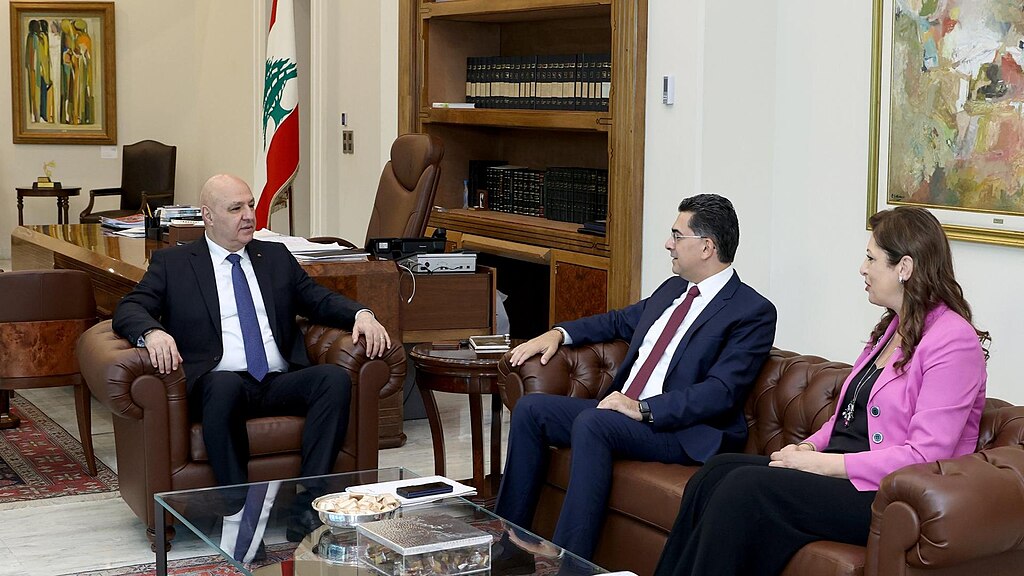
During a press conference after a cabinet meeting, Information Minister Paul Morcos confirmed that the government reviewed the army’s monthly progress report on arms control efforts. The report includes measures to restrict weapons in areas north of the Litani River up to the Awali River near Sidon. Morcos stated that the army had been given four months to advance the plan, with the possibility of renewal depending on operational capacity and field conditions.
Hezbollah Secretary-General Sheikh Naim Qassem criticized the focus on disarmament, calling it a “major mistake” that aligns with Israeli aggression. Hezbollah lawmaker Hassan Fadlallah echoed this stance, signaling firm opposition to both the timeline and the broader disarmament strategy. Shi’ite ministers reportedly walked out of the cabinet session in protest.
Israel has consistently insisted that Hezbollah’s disarmament is a top security priority, arguing that weapons outside Lebanese state control threaten regional stability and violate international resolutions. Israeli officials maintain they will continue military actions to prevent Hezbollah’s rearmament until cross-border threats are eliminated.







