


 BOJ Hawk Signals Faster Interest Rate Hikes Amid Inflation Risks
  Ryan Cohen Rejects GameStop Pay Package, Prepares New eBay Acquisition Plan
  Micron Stock Surges on Strong AI Demand, Record Revenue, and Bullish Q4 Forecast
  Yen Near 40-Year Low as USD/JPY Approaches Key 162 Level, Raising Intervention Concerns
  Tencent Reviews Marvelous Stake as Gaming Giant Reassesses Global Investment Strategy
  U.S.-Iran Diplomacy Helps Drive Gasoline Prices Down 15% From May Highs
  Cerebras Revenue Forecast Tops Expectations, but Margin Concerns Weigh on Stock
  Japan Manufacturing Growth Accelerates in June as Orders Surge Despite Iran War Cost Pressures
  WiseTech Global Denies Knowledge of Investigation Into Founder Richard White
  Malaysia Central Bank Moves to Support Ringgit Amid Foreign Fund Outflows
  SK Hynix Targets $29.4 Billion Nasdaq Listing to Expand AI Chip Business
  Trump Requests $11 Billion More in Farm Aid as Rising Costs Pressure U.S. Farmers
  Tesla and NatPower Partner on $5 Billion Battery Storage Expansion in Europe
  New Zealand Fast-Tracks Gold Mining as Industry Revival Gains Momentum
  Asian Stocks Slide as AI Rally Pauses, South Korean Chipmakers Lead Regional Decline
  U.S. Dollar Reaches One-Year High as Tech Sell-Off and Fed Rate Hike Expectations Support Demand
  Heineken Names JDE Peet’s CEO Rafael Oliveira as New Chief Executive


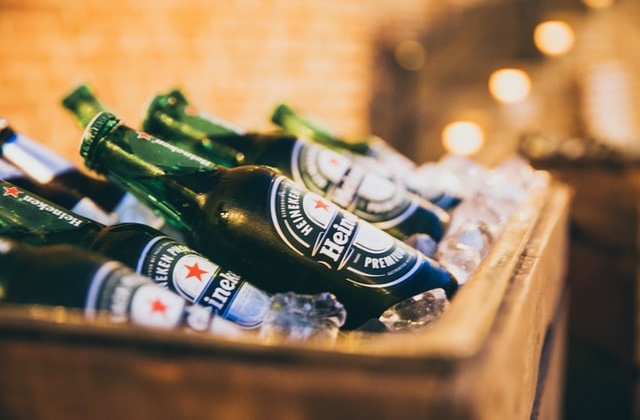
Heineken and Carlsberg breweries are the latest major names to leave Russia. The companies are making their exit and officially suspending operations in the country that attacked Ukraine.
Heineken revealed on Monday, March 28 that it made the decision to stop its business in the Vladimir Putin-led country. This move follows its previous announcement that it will be halting new investments and exports in the region.
For this action, the beer brand is facing €400 million or £334 million in impairments and other exceptional charges. Heineken is looking for a new owner as it said it would be transferring its regional business to the chosen one, but the company will not be not gaining any profit from the transfer of ownership, as per The Evening Standard.
Heineken said that its business in Russia is no longer viable but still commits to paying its 1,800 local employees until the end of the year. Reuters further reported that the beer maker that produces the Botsjkarev and Ochota en Tri Medvjedja brands in Russia will continue the business for now. However, the operations will be reduced during the transition period with the new management.
"We aim for an orderly transfer of our business to a new owner in full compliance with international and local laws," the company said in a press release. "To ensure the ongoing safety and wellbeing of our employees and to minimize the risk of nationalization, we concluded that it is essential that we continue with the recently reduced operations during this transition period."
Heineken added that once the transfer is completed, the brand will no longer have a presence in Russia. It also said that it is hoping that peace will soon return.
On the other hand, Heineken's rival, Carlsberg, is still selling its Baltika beer brands but its stated earlier this month that it has already started a strategic review of its business in Russia. It is also halting the production and selling of its Carlsberg beers there.
Heineken and Carlsberg's competitor, AB InBev, which makes the famous Budweiser beer, also previously requested the controlling shareholder of its Russian business to freeze the license for the production and sale of the Budweiser beers in the region. And just like Heineken, it will still pay its employees despite the situation.







