


 Najib Razak Seeks Stay of 15-Year 1MDB Prison Sentence
  OpenAI Agent Breaches Australia Medicare Data Portal
  Trump Asks Supreme Court to Restore Third-Country Deportations
  Abbas Reaffirms November 28 Palestinian Elections
  Netanyahu Defends Israel at UN as Delegates Stage Walkout
  South Korea, US Discuss Warship Building Cooperation
  France Defends Netanyahu Airspace Clearance Despite ICC Warrant
  Taiwan Thanks US for Support Ahead of Trump-Xi Summit
  US Backs Musk in Fight Against EU’s €120 Million X Fine
  Saudi Arabia, Turkey and Pakistan Plan Urgent Defence Talks Over Houthi Attacks
  Mexico-US Trade Talks Delayed to October as Tariff Negotiations Continue
  North Korea Rejects Nuclear Test Warning, Calls Nuclear Status Irreversible
  North Korea Warns South Korea Over US-Led Defense Role
  Ghana Says Western Support Growing for Slave Trade Reparations
  Russian Missile and Drone Attack on Kyiv Kills Two, Damages Maternity Hospital
  Netanyahu’s Brief US Trip Highlights Strains With Trump
  Yemen Violence Displaces 130,000 as Civilian Toll Rises


 Add as a preferred source on Google
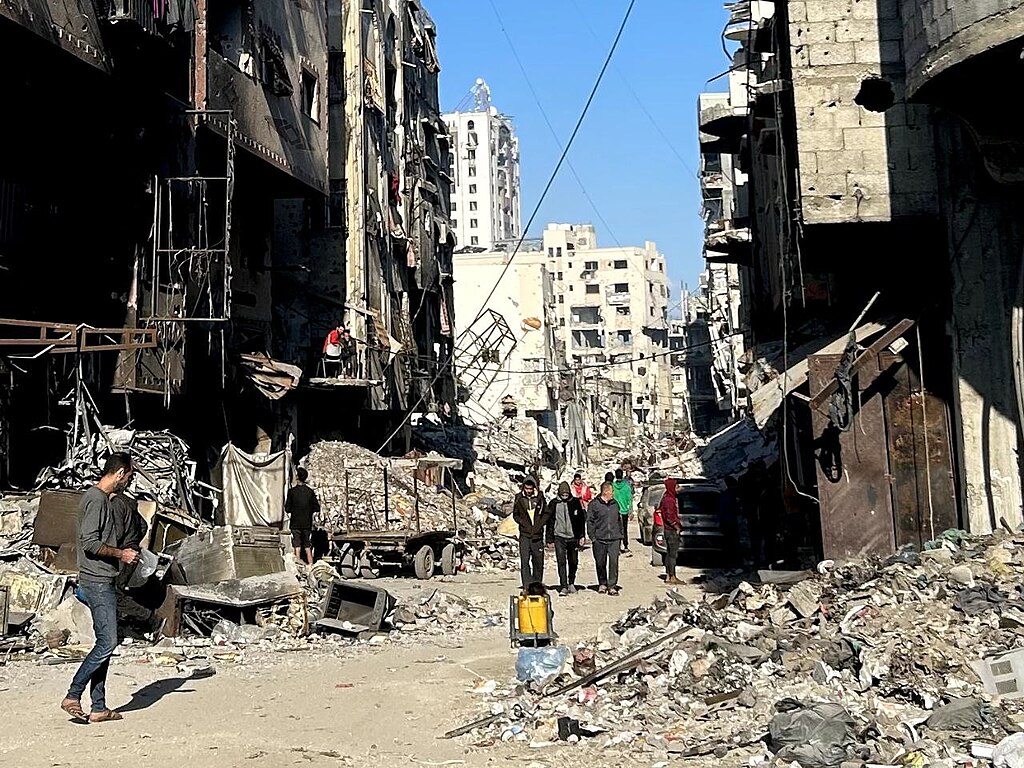
Hamas is steadily tightening its control over Gaza as international leaders debate the region’s political future, according to residents who say the group has resumed monitoring commerce, regulating prices, and overseeing the flow of goods since Israel’s recent partial withdrawal. Despite foreign pressure for Hamas to disarm and relinquish power, many Gazans report that the group’s influence has become even more visible following the ceasefire that took effect last month.
Residents, including merchants with firsthand experience, say Hamas authorities closely inspect trucks entering their areas, record incoming supplies, and impose fees on certain privately imported goods such as cigarettes and fuel. They also fine businesses accused of raising prices unfairly. However, Ismail Al-Thawabta, head of the Hamas government media office, denies that the group has introduced new taxes, insisting that its actions are limited to necessary administrative duties and efforts to stabilize prices during a humanitarian crisis.
As goods remain scarce and prices volatile, many Gazans describe daily life like “a stock exchange,” with fluctuating costs and dwindling incomes. Shop owners note that shortages—not regulation—are primarily driving high prices, though Hamas teams regularly visit markets to enforce pricing guidelines.
The United States maintains that Hamas cannot lead Gaza under the new transition plan shaped after the October 10 ceasefire, which included the release of the last Israeli hostages taken during the October 7, 2023 attacks. The plan envisions a multinational security force, Hamas’ disarmament, and a new governing body, but its implementation continues to face significant obstacles. Israel still controls large parts of Gaza, and disputes persist over the Palestinian Authority’s role in future governance.
Analysts warn that Hamas is using delays in the transition to reassert its authority. The group has replaced fallen officials, continued paying standardized salaries to its remaining workers, and reinforced its administrative reach. Many Gazans feel Hamas is solidifying its position while international negotiations stall, raising concerns about how long the current situation will persist and whether a new governing structure can realistically take hold.







