


 Want to cut your energy bills? Here’s how five experts are doing it
  Germany’s 2026 Growth Outlook Strengthens on Fiscal Spending
  Costco Revenue Beats Estimates as Inflation Drives Bulk Shopping
  Mexico-US Trade Talks Delayed to October as Tariff Negotiations Continue
  Oura IPO Draws Strong Demand Ahead of $2.2 Billion Offering
  Soybean Futures Slip as Traders Await Trump-Xi Trade Signals
  6 simple questions to tell if a ‘finfluencer’ is more flash than cash
  Novo Nordisk Strikes €1.17 Billion Nanexa Drug Delivery Deal
  Meta Found Liable in New Mexico Facebook Data Privacy Case
  Solidigm Eyes $150 Billion IPO as SK Hynix Expands AI Storage Push
  Fed Unveils Stablecoin Rules Under GENIUS Act
  AMD Hits $1 Trillion as BofA Raises Price Target to $720
  Dollar Falls as Oil Eases, Yen Jumps on Intervention Signals
  Google promotes ‘teacher approved’ apps for kids. Here’s what parents should know
  The Beauty Beneath the Expressway: A Journey from Self to Service
  Yes, government influences wages – but not just in the way you might think


 Add as a preferred source on Google
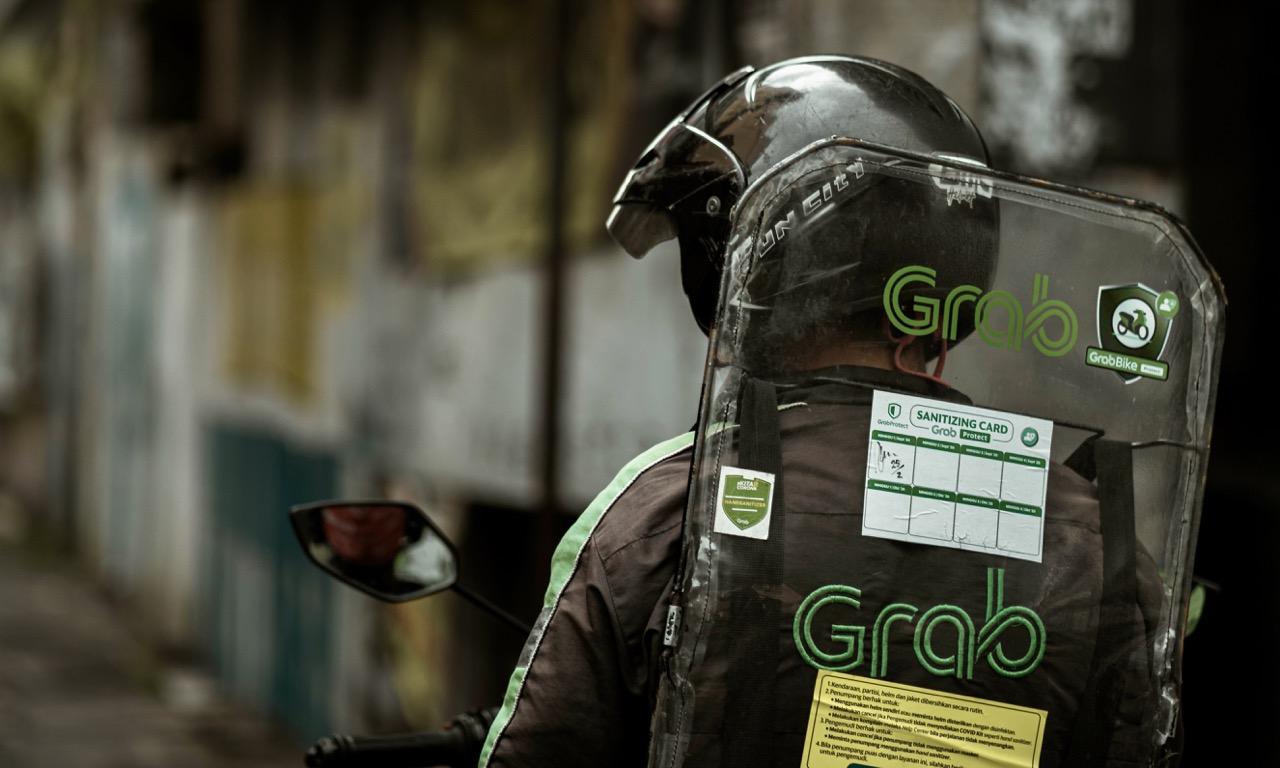
Grab Holdings, the renowned Southeast Asian tech giant, revised its profitability forecast, witnessing surging demand in food delivery and ride-share sectors while implementing significant cost-saving strategies, including workforce reductions.
The latest quarterly results surpassed expectations, propelling Grab's US-listed shares by an impressive 9 percent. Amidst these positive developments, the firm now envisions achieving a breakeven point on an adjusted core earnings basis by the current quarter, ahead of its previously targeted fourth-quarter milestone. Additionally, Grab aims to realize an estimated $80 million in annualized cost savings from recent changes, including layoffs.
As part of its restructuring strategy to drive down costs, Grab has implemented various measures, such as slashing its cloud expenditure and reducing consumer and worker incentives. In its most extensive round of layoffs since early 2020, the firm downsized approximately 1,000 roles, equivalent to around 11 percent of its workforce, to optimize its bottom line.
Grab CFO Peter Oey emphasized the importance of long-term business growth as the company strives to recover from the impact of the COVID-19 pandemic. Oey expressed optimism about the abundance of opportunities in the mobility sector, highlighting the goal of reaching pre-COVID levels by the end of the year.
According to Refinitiv data, Grab's revenue for the quarter ending June 30 surged by 77 percent to $567 million, exceeding analysts' estimate of $546.1 million. Notably, the food delivery business, Grab's largest segment, achieved sales growth of over 100 percent, while the ride-share sector recorded a notable 29 percent increase. Although delivery sales were slightly below Refinitiv's estimates, the overall performance showcases Grab's resilience and adaptability in a challenging market.
The company also reported a $50 million charge related to the previously announced layoffs in June. Adjusted for this, Grab reported a loss of 3 cents per share, compared to an anticipated loss of 5 cents.
Photo: Farel Yesha/Unsplash







