


 Oil Prices Ease as Iran Tensions Clash With Diplomacy Hopes
  Gold Holds Near $4,275 as Rising Treasury Yields Fuel Fed Rate Hike Bets
  US 10-Year Treasury Yield at 6% Emerges as New Market Risk Threshold
  Soybean Futures Slip as Traders Await Trump-Xi Trade Signals
  US, China Extend Trade Truce to Jan. 10 Ahead of Trump-Xi Summit
  Japanese Bank Stocks Surge as Bond Yields Fuel Rate Hike Bets
  China’s ‘Lipstick King’ Says AI Won’t Replace Livestream Hosts
  Trump, Xi Focus on Trade and AI at White House Summit
  Asian Stocks Fall as Surging Bond Yields Rattle Markets
  European Stocks Fall as Bond Yields and Geopolitical Risks Weigh
  Gold Prices Fall as Treasury Yields Rise on Fed Rate Hike Bets
  Dollar Holds Near Two-Month High as Yen Approaches 160
  South Korea, US Discuss Warship Building Cooperation
  Russian Envoy Dmitriev Heads to US for Ukraine Talks
  Fed Unveils Stablecoin Rules Under GENIUS Act
  Wall Street Ends Flat as Oil, Treasury Yields and Fed Jitters Rattle Markets


 Add as a preferred source on Google
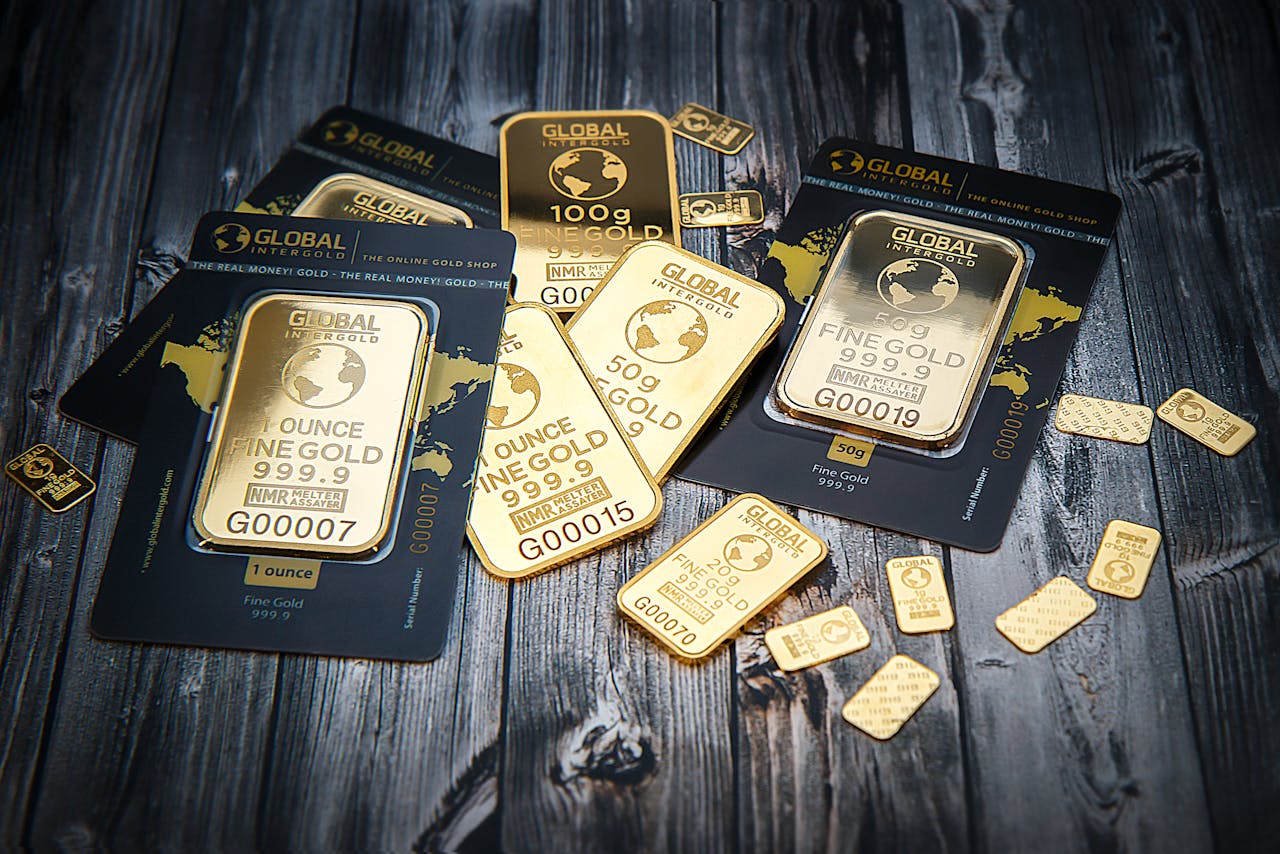
Gold prices declined on Monday as a strengthening U.S. dollar and persistent inflation concerns weighed heavily on the precious metal. Spot gold dropped 0.6% to $4,720.67 per ounce, while gold futures slid 0.9% to $4,743.20 per ounce, reflecting growing bearish sentiment among traders.
The selloff was largely driven by the breakdown of ceasefire negotiations between the United States and Iran. Weekend talks held in Pakistan failed to produce any meaningful de-escalation, with both sides at odds over nuclear activities, Iran's backing of regional militant groups, and control of the Strait of Hormuz. Following the collapse of negotiations, President Donald Trump announced a naval blockade targeting Iranian ports and vessels, set to take effect at 10:00 ET. Tehran swiftly rejected the move, raising fears of a broader military conflict.
The geopolitical fallout sent investors rushing into the U.S. dollar as a safe-haven asset, pushing the dollar index up roughly 0.4% and adding pressure on dollar-denominated commodities like gold. Other precious metals also felt the strain, with silver falling nearly 2% to $74.3975 per ounce and platinum edging lower to $2,047.06 per ounce.
Compounding gold's struggles was a sharp uptick in U.S. consumer price index data for March. Inflation climbed 3.3% year-over-year, a significant jump from February's 2.4% reading, largely fueled by rising energy costs linked to the ongoing conflict and restricted oil flows through the Strait of Hormuz. The hotter inflation print reinforced expectations that the Federal Reserve will hold interest rates steady for at least the next 12 months, according to CME FedWatch data. Since higher rates increase the opportunity cost of holding non-yielding assets, gold's appeal continues to diminish in the current environment.
Traders are now turning their attention to upcoming U.S. producer price index data, which could further shape the outlook for monetary policy and gold's near-term trajectory.







