


 Epic Games Delays Disney Shooter, Shifts to AI-First Development
  South Korea Blocks 27 Crypto Exchange Websites in Regulatory Crackdown
  Trump Buys Up to $25M in Meta Stock, Invests in SpaceX Debt
  Airbus Tests Valkyrie Combat Drone in Europe for Eurofighter Integration
  Morgan Stanley Predicts $10 Trillion RWA Market by 2030
  US Suspends Microsoft, Adobe From Green Card Program
  Elon Musk Eyes Semiconductor Manufacturing Expansion With $15 Billion Terrafab Project
  Tencent Shares Fall as $5 Billion AI Bond Sale Weighed
  Robinhood Chain Eyes Priority Gas Auctions for Faster Trades
  Meta Launches Muse Wonder AI Models, Shares Rise 3.7%
  Hong Kong’s Second Solana ETF Launches With Lower Fees
  OpenAI Revenue Hits $50 Billion, Below Earlier $70 Billion Estimate
  Apple Cuts iPhone 18 Pro Production Orders Amid Weak Demand
  Canton Network Expands in South Korea With Major Partnerships
  Samsung, SK Hynix Shares Plunge as China Chip Competition Grows
  Coinbase CEO Backs SEC Accredited Investor Reform
  Nasdaq Faces Pullback to 26,225 Despite Bullish Outlook, UBS Says


 Add as a preferred source on Google
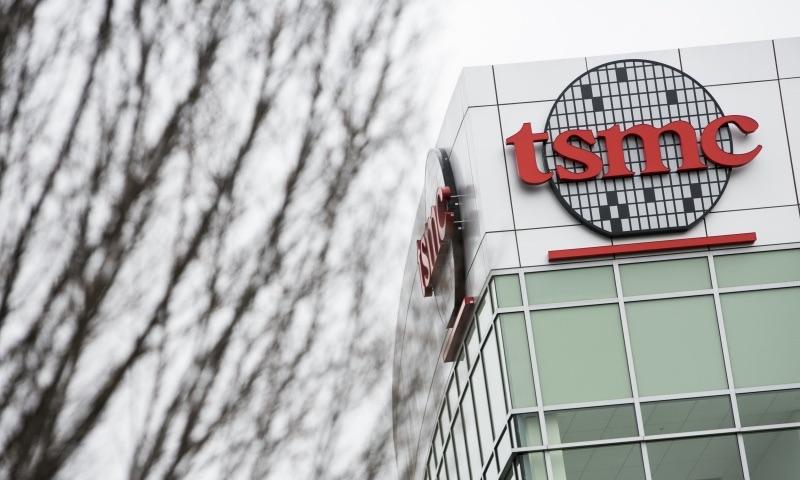
Taiwan Semiconductor Manufacturing Co. (TSMC) is on track to deliver its fourth straight quarter of record-breaking earnings, with analysts forecasting a 50% jump in net profit for the first quarter of 2026. The surge is fueled by relentless global demand for AI infrastructure and the company's unmatched semiconductor manufacturing capabilities.
Analysts project a net profit of approximately T$542.6 billion ($17.1 billion) for Q1 2026, based on an LSEG SmartEstimate drawn from 19 analysts. If confirmed, this figure would mark TSMC's highest-ever quarterly earnings and extend its profit growth streak to nine consecutive quarters. The company had already signaled strong momentum after reporting a 35% year-on-year revenue increase for the same period, surpassing market expectations.
Central to TSMC's dominance is its cutting-edge 3-nanometer chip technology and advanced packaging solutions, both of which remain in short supply relative to market demand. As a critical supplier to industry giants like Nvidia and Apple, TSMC continues to benefit directly from the explosive growth of AI data centers and next-generation computing hardware. The company's market capitalization now stands near $1.6 trillion, nearly double that of South Korean competitor Samsung Electronics.
Looking ahead, market analysts expect TSMC to guide for stronger quarter-on-quarter revenue growth in Q2 2026, driven by sustained AI demand and the company's leadership in advanced chip nodes. Investors will also be watching closely to see whether management maintains or increases its 2026 capital expenditure targets, a key indicator of long-term confidence in AI-related growth.
On the geopolitical front, ongoing Middle East tensions pose potential risks to the semiconductor supply chain, particularly for critical materials like helium and neon. However, TSMC's diversified sourcing strategy and strategic inventory reserves are expected to shield it from major short-term disruptions.
Reinforcing its global expansion ambitions, TSMC is investing $165 billion to construct chip fabrication facilities across Arizona, while also upgrading its Japan operations to produce 3-nanometer chips. Shares of the company have climbed 28% year-to-date on the Taiwan Stock Exchange, outpacing the broader market's 22% gain.







