


 Oil Prices Surge as U.S.-Iran Diplomacy Hopes Fade
  RBI Uses $10 Billion Currency Swaps to Drain Excess Rupee Liquidity
  Soybean Futures Slip as Traders Await Trump-Xi Trade Signals
  U.S. 10-Year Treasury Yield Hits 2007 High as Fed Rate Hike Bets Rise
  Trump, Xi Focus on Trade and AI at White House Summit
  US, China Extend Trade Truce to Jan. 10 Ahead of Trump-Xi Summit
  Dollar Hits Two-Month High as Fed Rate Hike Bets Rise
  Oil Prices Ease as Iran Tensions Clash With Diplomacy Hopes
  Australia Unemployment Hits Five-Year High Despite Strong Jobs Growth
  Wall Street Falls as Treasury Yields Surge, Oil Rebounds on Iran Tensions
  US Stock Futures Fall as Treasury Yields Surge Ahead of Trump-Xi Summit
  Asian Stocks Fall as Bond Yields Surge Ahead of Trump-Xi Summit
  Fed Unveils Stablecoin Rules Under GENIUS Act
  Gold Drops Over 1% as Dollar, Treasury Yields Surge on Fed Rate Hike Bets
  Oil Prices Jump 3% as Houthi Attack Revives Supply Fears
  Wall Street Ends Flat as Oil, Treasury Yields and Fed Jitters Rattle Markets
  European Stocks Fall as Bond Yields and Geopolitical Risks Weigh


 Add as a preferred source on Google
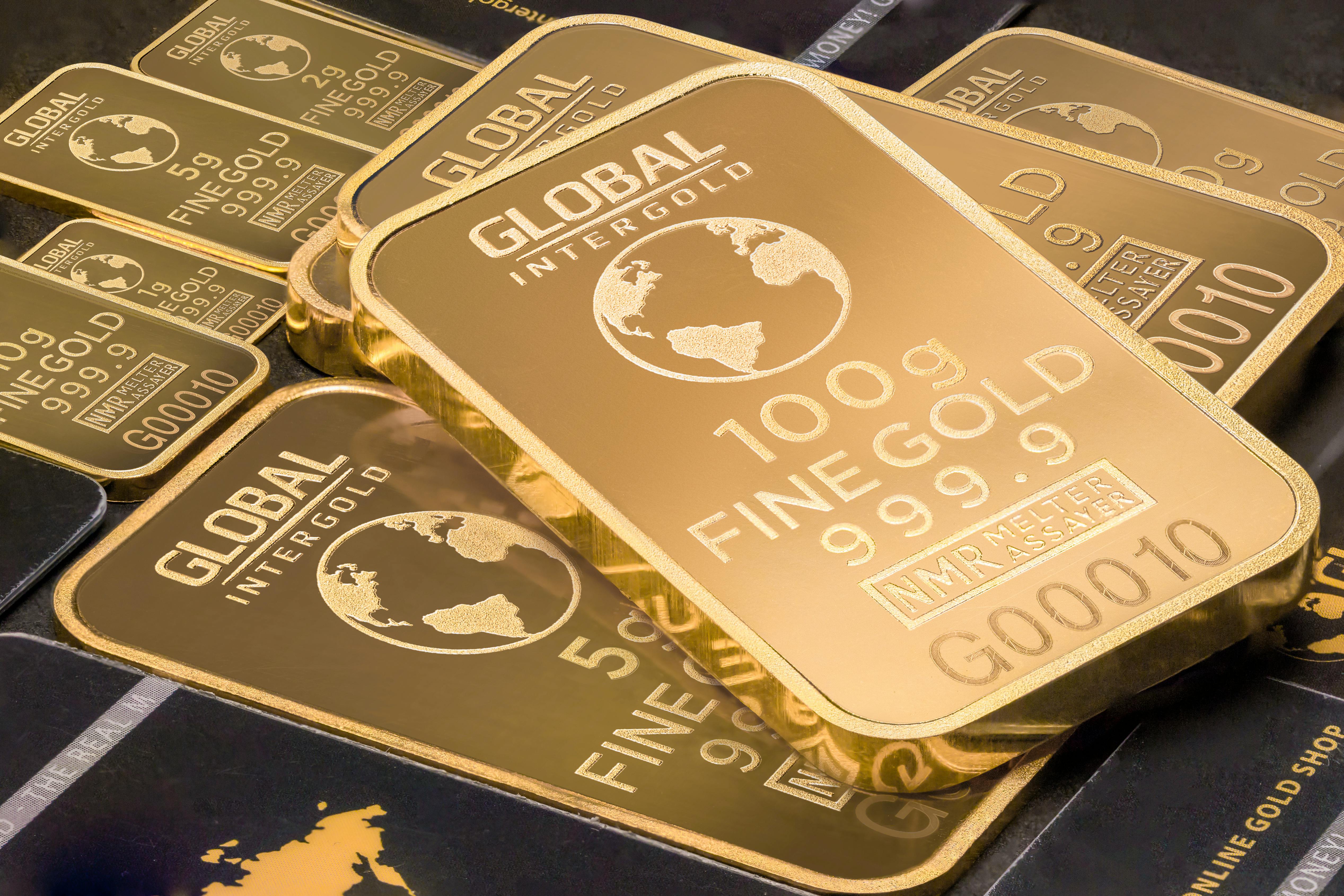
Gold prices declined on Friday, marking their second straight weekly loss as investors reacted to persistent U.S. inflation concerns and growing expectations that the Federal Reserve could raise interest rates later this year. At the same time, markets closely monitored developments surrounding a potential U.S.-Iran peace agreement, which helped improve overall risk sentiment.
Spot gold fell 0.6% to $4,186.99 per ounce during early trading and was on track to record a weekly decline of more than 3%. Meanwhile, U.S. gold futures for December delivery traded at $4,206.80 per ounce.
The precious metal had previously dropped to a six-month low before recovering after U.S. President Donald Trump suggested that Washington and Tehran could finalize a peace agreement as soon as this weekend. Such a deal could potentially reopen the Strait of Hormuz, a critical global energy shipping route, easing concerns over supply disruptions and reducing geopolitical tensions in the Middle East.
Despite the optimism, Iranian officials indicated that no final agreement has been reached, leaving uncertainty over the region’s future. Even so, hopes for diplomatic progress boosted investor confidence, contributing to a sharp decline in oil prices and gains across global stock markets.
Gold is widely regarded as a safe-haven asset and a hedge against inflation and geopolitical risks. However, the metal has struggled recently as investors increasingly focus on the possibility of tighter U.S. monetary policy. Higher interest rates generally make non-yielding assets such as gold less attractive compared to interest-bearing investments.
Recent U.S. economic data reinforced those concerns. Producer prices increased more than expected in May, recording the largest annual rise in three and a half years as higher energy costs continued to impact the broader economy. The stronger inflation data prompted traders to increase bets that the Federal Reserve may resume policy tightening, with markets currently pricing in roughly a 60% chance of a rate hike by December.
Among other precious metals, spot silver slipped 0.5% to $67.00 per ounce, while platinum gained 0.6% to $1,734.08 per ounce. Investors will continue watching inflation indicators, Federal Reserve policy signals, and geopolitical developments for further direction in the gold market and the broader precious metals sector.







