


 SpaceX IPO Could Become Largest in History with $1.8 Trillion Valuation Target
  SpaceX IPO Hype Raises Questions as Many Major Stock Debuts Underperform Market
  Snowflake Stock Soars 30% After Q1 Earnings Beat and Major AWS AI Partnership
  Morgan Stanley Names Top AI Security and Data Center Stocks for 2026
  Synopsys Q2 FY2026 Earnings Beat Driven by AI and Semiconductor Demand
  PDG Explores $1 Billion Sale of China Data Center Assets
  Xiaomi Shares Drop After Weak Q1 Earnings Amid Rising Smartphone Costs
  Elon Musk Explores Possible Tesla-SpaceX Merger Amid Growing AI Investments
  SpaceX Delays Starship V3 Launch Ahead of Potential Record IPO
  Marvell Stock Rises After Record Q1 FY2027 Earnings Fueled by AI Demand
  HP Q2 2026 Earnings Beat Expectations Despite Memory Chip Pressure
  Huawei Chip Breakthrough Sparks Rally in Chinese Semiconductor Stocks
  SK Hynix Joins $1 Trillion Club as AI Chip Demand Fuels Stock Surge
  Salesforce Q1 FY2027 Earnings Beat Expectations Despite Soft Q2 Revenue Outlook
  Dell Raises 2027 Revenue Forecast as AI Server Demand Drives Record Quarterly Results
  Lam Research Expands AI-Powered Semiconductor Tools and Arizona Operations
  Autodesk Beats Q1 Estimates, Acquires MaintainX for $3.6 Billion


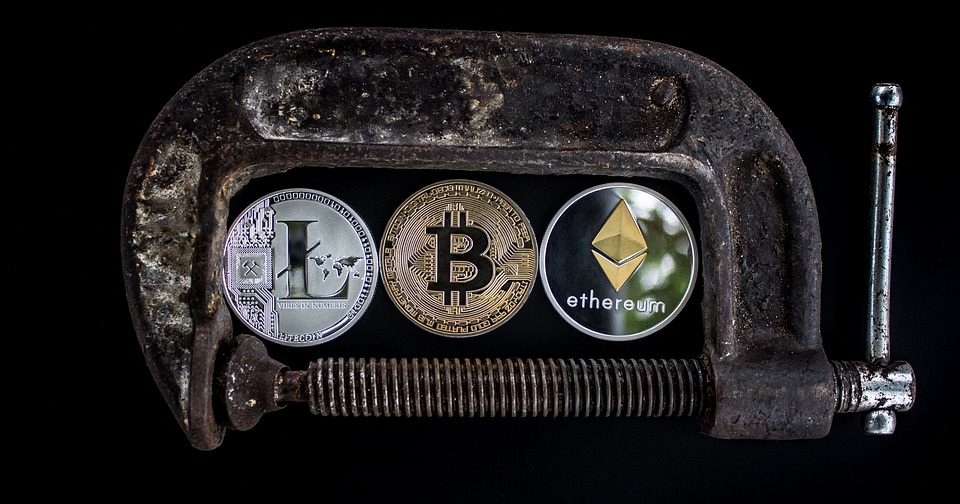
In order for blockchain tech to become stable, there should be an encompassing regulation to be followed by countries that allow crypto businesses to operate. However, this isn’t the case at all, Fortune reports.
Japan, the U.S., the U.K., China, South Korea, and other countries have varying restrictions that they impose on this market. Perhaps the most restrictive developed country today is the United States, with its agencies like the Securities and Exchange Commission classifying many crypto holdings as securities.
The U.S. has taken an approach where it's prioritizing the drafting of strict regulation rather than catering to the rise of crypto businesses. As such, startups are finding it relatively difficult to conduct their businesses, with some opting to move their operations elsewhere.
France, on the other hand, is completely the opposite as it is planning to adopt regulations that give crypto companies a lot of room to move. One of its most drastic regulatory frameworks is its plan to allow initial coin offering (ICO) startups to operate with or without a license, a rather questionable move given the proliferation of bogus ICOs in the crypto market.
Countries like Japan are somewhere in between, treading carefully in this new landscape while also allowing some semblance of freedom for companies to grow. South Korea is taking a similar path despite the fact that the country saw two high-profile cases of hacking in this month alone.
All of this isn't to say that these countries aren’t working together to achieve a uniform regulation that will encompass the crypto market. In fact, they are already working towards that goal, which started in March.
During the G20 summit this year, countries discussed cryptocurrency’s role in the future and how it will shape various economies on a global scale. Although no general agreement was achieved, the representatives are now planning to publish a formal proposal slated to be released next month. The proposal will be the first of its kind and expected to serve as a benchmark for crypto regulation in the coming years.







