


 Tesla Q2 Deliveries Lift Chinese Auto Suppliers as EV Demand Improves
  Kioxia Bets on AI Memory Boom With Next-Gen NAND Production in Japan
  Iran Begins Oil Sale Talks With Japan Under U.S. Sanctions Waiver Amid Shipping Risks
  Mary Daly Says AI Uncertainty Clouds Fed Rate Outlook Despite Restrictive Policy
  Oil Prices Slip as OPEC+ Boosts August Output, Oversupply Concerns Weigh on Crude Market
  Gold Price Surges Above $4,120 as Weak US Jobs Data Lowers Fed Rate Hike Expectations
  US Stock Futures Rise as Investors Eye Fed Minutes, AI Stocks, and Q2 Earnings
  DOJ Seeks Dismissal of Fraud Charges Against Gautam Adani in U.S. Court
  JPMorgan Cuts Gold Price Forecast, Sees Bullion Reaching $4,500 by End of 2026
  Anthropic Tightens AI Access Controls After Reports of China-Based Workarounds
  Gold Price Today: Bullion Heads for First Weekly Gain as Weak U.S. Jobs Data Eases Rate Hike Fears
  AI Memory Chip Shortage Likely to Persist Despite Korea Investment Boom, Nomura Says
  TetherMax Rebranding Highlights Official Exchange Partnerships as Foundation of Trust
  New Zealand Consumer Confidence Rises in June as Inflation Expectations Ease
  Goldman Sachs Raises USD/JPY Forecast, Sees Yen Weakness Persist Through 2027
  Citi Raises TSMC Price Target as AI Chip Demand Strengthens Growth Outlook
  Meta CEO Zuckerberg Says AI Agent Development Has Slowed Despite Massive AI Investment


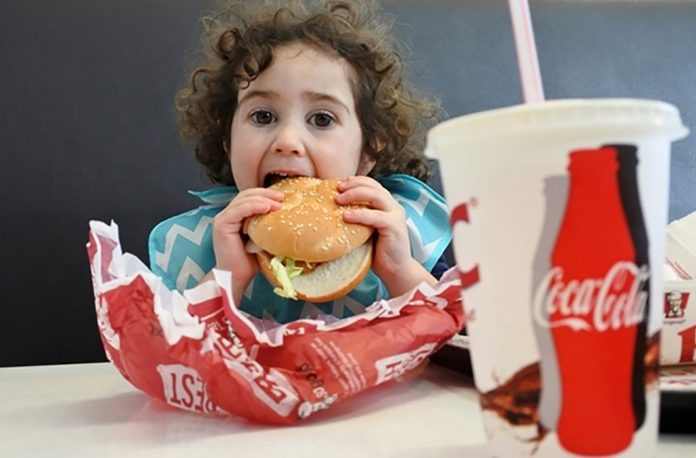
German food marketers have tightened restrictions on advertising unhealthy food to children, now applying it to children 14 and under, instead of 12 and under, and extending to digital media, such as influencer engagement, social networks, and video platforms like YouTube and TikTok.
The Central Association of the German Advertising Industry extended the voluntary restrictions on advertising food high in sugar, fat, and salt.
While the rules do not outright ban advertising unhealthy foods to children, they prohibit ads for them from mentioning positive nutrients like protein.
Germany’s Federal Ministry of Food and Agriculture would be keeping an eye on how well the restrictions are observed, suggesting that the government may take action if the voluntary guidelines are not adhered to.
However, consumer advocates charged that the guidelines did not go far enough.
A spokesperson for FoodWatch pointed out that contrary to the demands of the World Health Organization, medical associations, and consumer advocates, manufacturers of sugar bombs and greasy snack foods can still legally advertise their products directly to children.







