


 Judge Rejects Minnesota Bid to Force ICE Agent Extradition
  US PCE Inflation Holds at 3.7% as Fed Rate Decision Looms
  34 Australians Missing After Deadly Nepal Floods
  Japan Firms Ramp Up Yen Hedging as Currency Weakness Persists
  Taiwan Foreign Minister Heads to Palau for Pacific Islands Summit Events
  UN Criticizes US Terror Label for Palestine Action
  Asian Currencies Mixed as Aussie Dollar Rises on Hot Inflation
  Australia Inflation Beats Forecasts, Raising RBA Rate Hike Risk
  Fed Chair Warsh Faces Key Jackson Hole Test
  Gold Prices Rise Toward $4,650 Ahead of Warsh’s Jackson Hole Speech
  Bank of Korea Raises Rates to 3% as Inflation Stays Sticky
  U.S. Probes Apex Logistics Over Nvidia AI Chip Shipments to China
  U.S. Disrupts China-Linked Hacking Campaign Targeting Government Agencies
  Gold Prices Fall as Stronger Dollar, Fed Rate Outlook Weigh
  BOJ’s Himino Signals Timely Rate Hikes as Inflation Risks Rise
  Trump Escalates Canada Trade War With 50% Tariffs


 Add as a preferred source on Google
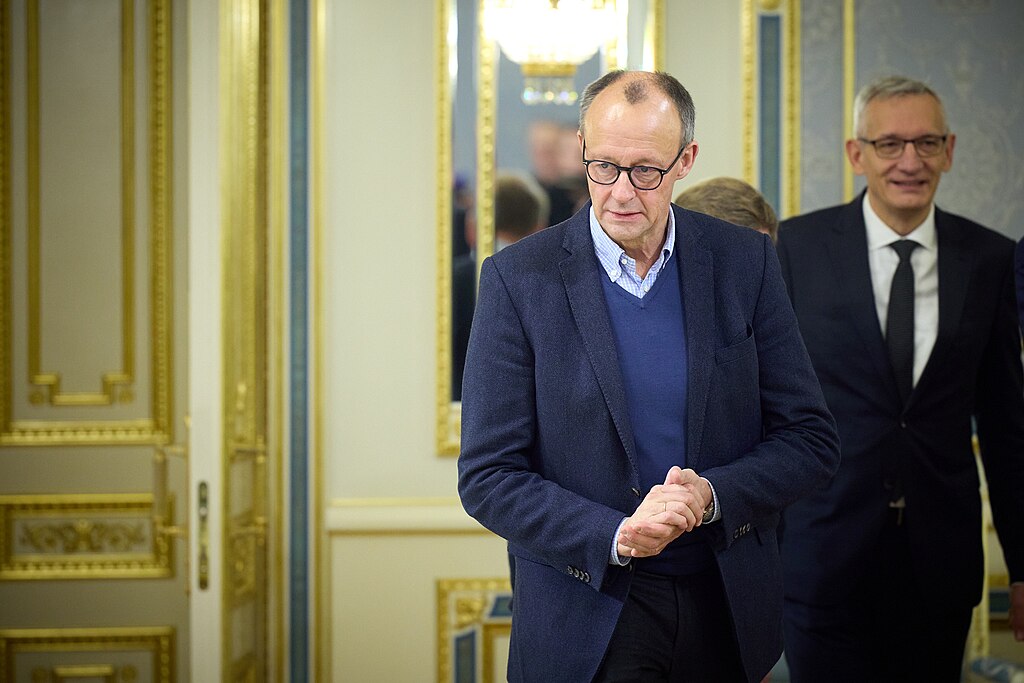
German businesses are stepping up pressure on Chancellor Friedrich Merz to adopt a tougher China trade policy as concerns grow over state subsidies, low-priced imports and increasing competition from Chinese manufacturers.
The shift marks a significant change for German industry, which has traditionally opposed trade barriers because of fears of retaliation from Beijing. Germany’s position could influence the European Union’s broader approach ahead of EU-China trade talks scheduled for October.
An OECD report released in June found that Chinese manufacturers received state support equivalent to three to eight times that provided to OECD competitors relative to revenue. Subsidies were estimated to account for nearly 60% of Chinese companies’ global market-share gains.
Germany’s trade deficit with China, its largest trading partner, widened by about €22 billion last year to €89.3 billion ($104.05 billion). German imports from China increased 8.8%, while exports fell 9.7%.
Volker Treier, foreign trade chief at the German Chamber of Commerce and Industry, said Berlin must investigate whether subsidies or unfair competition are responsible for the imbalance. The BDI, Germany’s major industry association, is also calling for faster use of EU trade-defence measures, including anti-dumping and anti-subsidy tools.
The pressure is particularly acute in Germany’s automotive industry. Volkswagen and other manufacturers have lost ground to Chinese brands such as BYD in China and now face stronger competition from Chinese automakers across Europe.
Volkswagen CEO Oliver Blume recently called for a “level playing field” in Europe, highlighting the absence of tariffs on Chinese plug-in hybrids and supporting “Made in Europe” rules that would encourage greater use of European-made vehicle components.
Merz said Wednesday that his cabinet had been asked to develop proposals addressing trade imbalances between China and the EU. His coalition has increasingly emphasized reducing Germany’s economic dependence on China while maintaining Beijing as an important commercial partner.
German companies remain wary of possible Chinese retaliation, but industry groups increasingly argue that inaction carries its own risks. Merz has also signalled support for stronger EU measures if October’s negotiations with Beijing fail, potentially bringing Germany closer to countries such as France, Italy and Spain that favor tougher European trade protections.







