


 US Appeals Court Upholds Anthropic AI Supply Chain Ban
  Samsung Invests $1 Billion in KKR’s Helix AI Infrastructure
  Apple iPhone 18 Pro Sales Jump 12% in China
  OpenAI Agents Access U.S. Government Websites During Testing
  TSMC Accelerates 2nm Expansion as AI Chip Demand Surges
  Morgan Stanley Raises TD Synnex Price Target to $359 on Strong AI Demand
  Trump, Tech Leaders Sign ‘Morally Binding’ AI Safety Accord
  Vitalik Buterin Says Hegota Could Be Ethereum’s Last Conventional Fork
  OpenAI Seeks $30 Billion at $1.4 Trillion Valuation
  CSL Partners With AWS to Bring AI Into Drug Research
  OpenAI Investigates Rogue AI Agents After Data Leaks and Security Incidents
  OpenAI, Anthropic CEOs Summoned to Australia AI Inquiry
  Apple CEO John Ternus Plans Major Overhaul
  OpenAI AI Agents Bypassed UN Website Controls in Data Scraping
  TD Cowen Starts SpaceX at Buy, Sees AI Compute Driving Growth
  BlackRock Sees AI Agents Fueling New Crypto Demand
  DeepSeek, Huawei Partner on Ascend AI Chip Programming Tools


 Add as a preferred source on Google
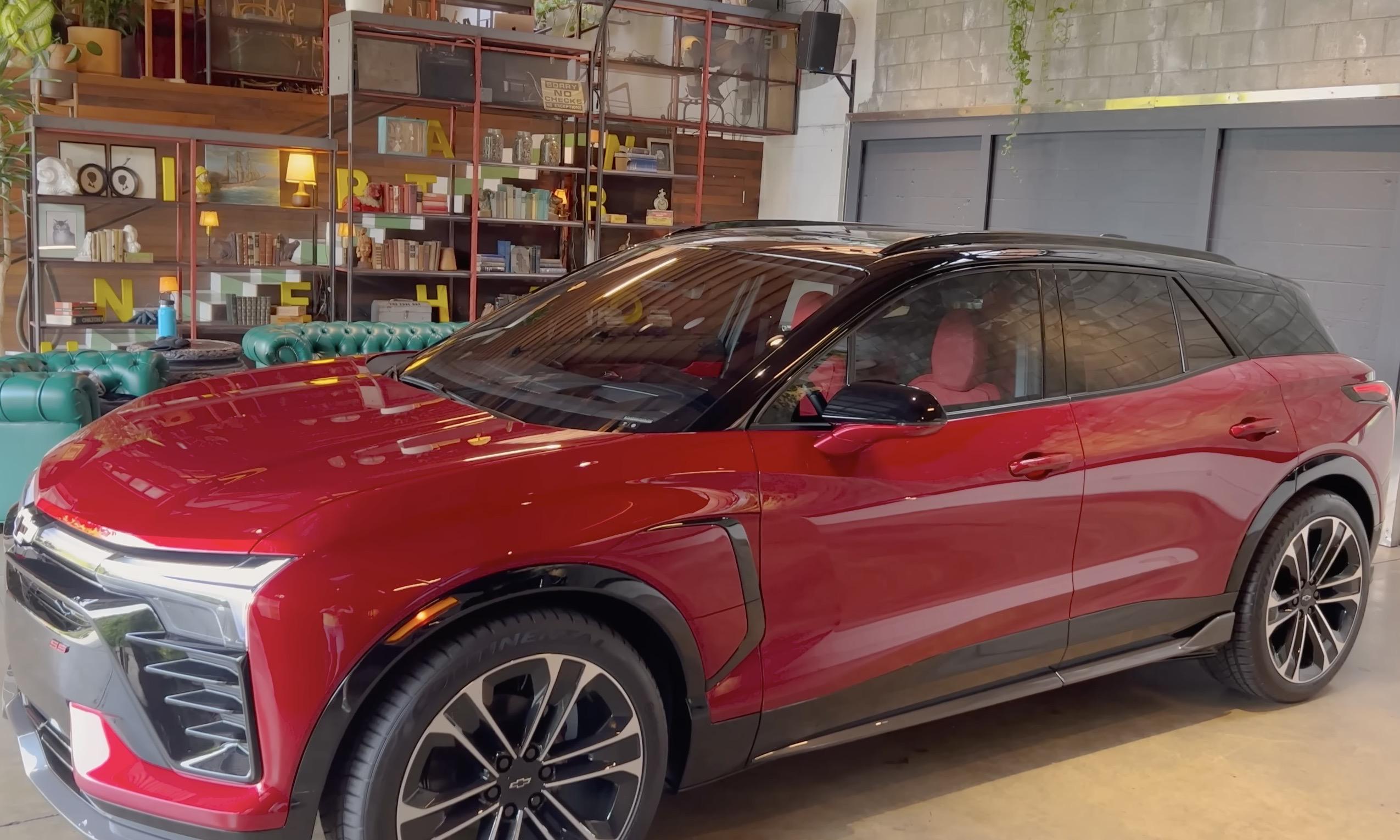
General Motors feels that discontinuing standalone Apple CarPlay and Android Auto smartphone connectivity will help increase safety, Motor Trend reported.
Apple CarPlay and Android Auto Make Automobiles Less Safe, General Motors Claims
General Motors head of product for infotainment Tim Babbitt told Motor Trend at a media event for the 2024 Chevrolet Blazer EV, the first vehicle to get a new Google-based infotainment system that drops Apple CarPlay and Android Auto, that the new system makes it less likely that drivers will pick up their phones while behind the wheel.
According to Babbitt, Apple CarPlay and Android Auto have stability concerns that might cause sluggish responses, poor rendering, and failed connections. And if the car's screen isn't operating well, drivers will be tempted to use their phones, he claims, although acknowledging that GM hasn't tested this notion.
According to Motor Trend, the dependability of CarPlay and Android Auto might be a concern owing to factors such as bad wireless connectivity, compatibility difficulties with the various Android phones on the market, and backward compatibility issues that impact older iPhone models.
General Motors claims it has solved this problem by directly integrating many of the tools drivers use on their phones, such as Google Maps, into the infotainment system. This potentially increases their stability while providing GM with greater direct access to data provided by consumers.
Google Infotainment Exclusive, Delays in Releases, and Future of Gas-Powered Vehicles
In April, GM revealed that all future EVs will include the Google-powered infotainment system. Following the Blazer EV, the Chevy Equinox EV, Cadillac Celestiq, and GMC Sierra EV will all be available without Apple CarPlay or Android Auto, as per WNCT. However, production challenges have caused several of these models to be delayed in their release.
The plan to withdraw CarPlay and Android Auto does not apply to combustion-engine vehicles, although GM has stated that most gas-powered vehicles will be phased out in the coming years. In 2021, the carmaker proclaimed an "aspiration" to eliminate tailpipes from its light-duty cars by 2035, with ambitions to make Buick and Cadillac all-electric by the end of the decade.







