


 Scott Bessent Eyed as Trump’s New AI Czar
  US Plans Two New Military Bases in Greenland Under Arctic Deal
  US, Denmark and Greenland Set to Sign Arctic Security Deal
  Trump Administration Prepares Sanctions Against Entire ICC
  Trump to Press Xi on Release of US Nuclear Expert Held in China
  Macron, Trump Discuss Ukraine-Russia Energy Strike Moratorium
  Taiwan Vows to Advance US Arms Sales Ahead of Trump-Xi Meeting
  Zelenskiy Warns Russia Preparing Major Attack on Ukraine
  Trump Says ‘Freedom’ Is Coming to Cuba
  Macron Challenges Trump’s Gaza Peace Claims at UN
  China Tightens Fentanyl Rules Ahead of Trump-Xi Summit
  Paramount-Warner Bros $110 Billion Deal Draws Antitrust Backlash
  Lula Meets Mamdani in New York as Elections Approach
  UK, Mauritius Seek Diego Garcia Base Deal
  Vietnam, US Trade Deal Could Be Signed Soon, To Lam Says
  Kremlin Says No Grounds Yet for Ukraine Peace Talks
  US, Japan and South Korea Back Taiwan Ahead of Trump-Xi Summit


 Add as a preferred source on Google
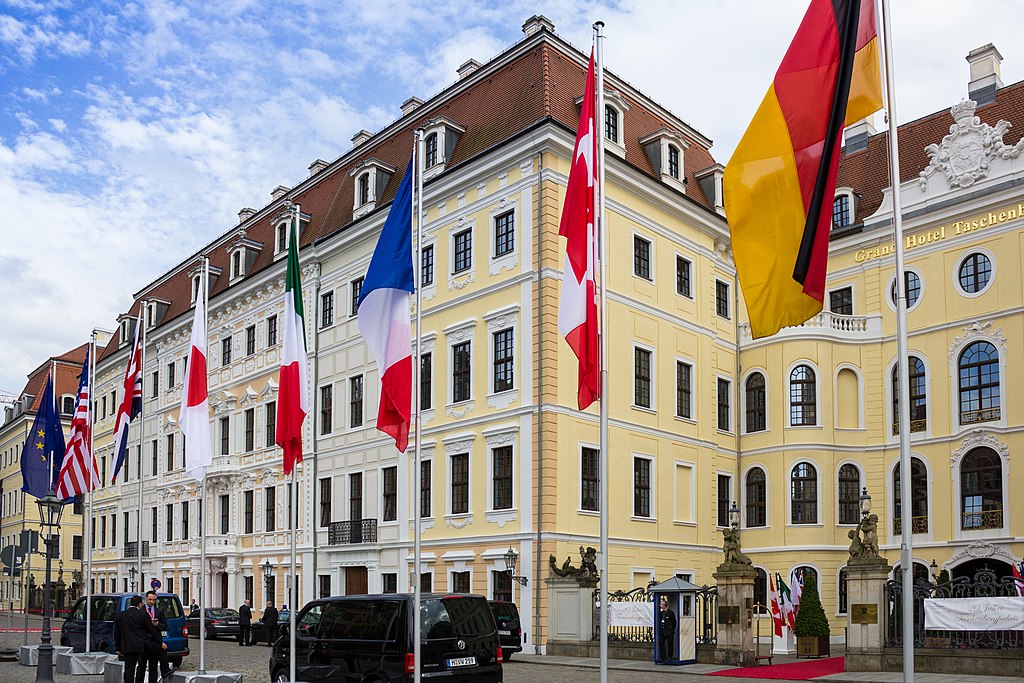
Leaders of the Group of Seven (G7) nations gathered in Evian-les-Bains, France, on June 15 for a three-day summit dominated by discussions on a newly announced U.S.-Iran peace agreement, the war in Ukraine, and growing concerns over global economic imbalances.
The summit comes after the United States and Iran revealed they had reached a preliminary deal aimed at ending months of conflict. G7 leaders are expected to seek clarity on the agreement, which could reshape geopolitical dynamics in the Middle East and impact global energy markets. A memorandum of understanding between Washington and Tehran is expected to be formally signed in Switzerland later this week, though key details remain undisclosed.
U.S. President Donald Trump arrived in France amid heightened scrutiny from allies over his foreign policy decisions. His participation was welcomed by French officials after he departed last year’s G7 meeting in Canada ahead of schedule. Trump is scheduled to hold talks with Middle Eastern leaders and meet Ukrainian President Volodymyr Zelenskiy during the summit.
Ukraine remains a major focus for G7 members as Kyiv continues to seek military and financial support from Western allies. While Russian military advances have slowed, uncertainty remains over future U.S. backing as the Trump administration shifts attention toward stabilizing relations with Iran and addressing domestic political concerns.
The Iran agreement could also lead to significant changes in global energy supply. Trump announced that the Strait of Hormuz, a critical route for international oil and gas shipments, is expected to reopen, while Iran indicated that military operations across multiple fronts would cease permanently. Negotiations on sanctions relief and Iran’s nuclear program are expected during a planned 60-day ceasefire period.
French President Emmanuel Macron is using the summit to push discussions on global economic challenges, including trade imbalances, investment gaps, and supply chain resilience. Leaders from Brazil, India, Kenya, South Korea, the United Arab Emirates, Qatar, and Egypt have also been invited, reflecting broader international efforts to address economic growth, critical minerals sourcing, and global stability.
The outcome of the G7 summit is expected to influence international diplomacy, energy markets, and economic policy in the months ahead.







