


 McDonald's and Restaurant Brands International Face Headwinds Amid Iran Conflict and Rising Costs
  Microsoft Eyes $7B Texas Energy Deal to Power AI Data Centers
  RBC Capital: European Medtech Firms Show Minimal Middle East and Energy Risk Exposure
  Ukrainian Drones and the #MadeByHousewives Movement: Kyiv Fires Back at Rheinmetall CEO
  Fonterra Admits Anchor Butter "Grass-Fed" Label Misled Consumers After Greenpeace Lawsuit
  Annie Altman Amends Sexual Abuse Lawsuit Against OpenAI CEO Sam Altman
  KPMG UK Cuts 440 Audit Jobs Amid Low Attrition and Cooling Professional Services Demand
  Nomura Upgrades PDD Holdings to Buy, Calls Stock Too Cheap to Ignore
  SoftwareONE Posts 22.5% Revenue Surge in 2025 on Crayon Acquisition
  Europe's Aviation Sector on Track to Meet 2025 Green Fuel Mandate
  CTOC Adds 3,000 Doctors, 500 Hospitals Ahead of Liquidity Push
  Cathay Pacific Holds Firm on Flight Capacity Amid Middle East Conflict and Rising Fuel Costs
  Chinese Universities with PLA Ties Found Purchasing Restricted U.S. AI Chips Through Super Micro Servers
  Eli Lilly and Insilico Medicine Forge $2.75 Billion AI-Driven Drug Discovery Deal
  Novartis to Acquire Biotech Firm Excellergy in $2 Billion Deal
  Bank of America's $72.5M Epstein Settlement: What You Need to Know
  Trump Administration Plans 100% Tariffs on Pharmaceutical Imports


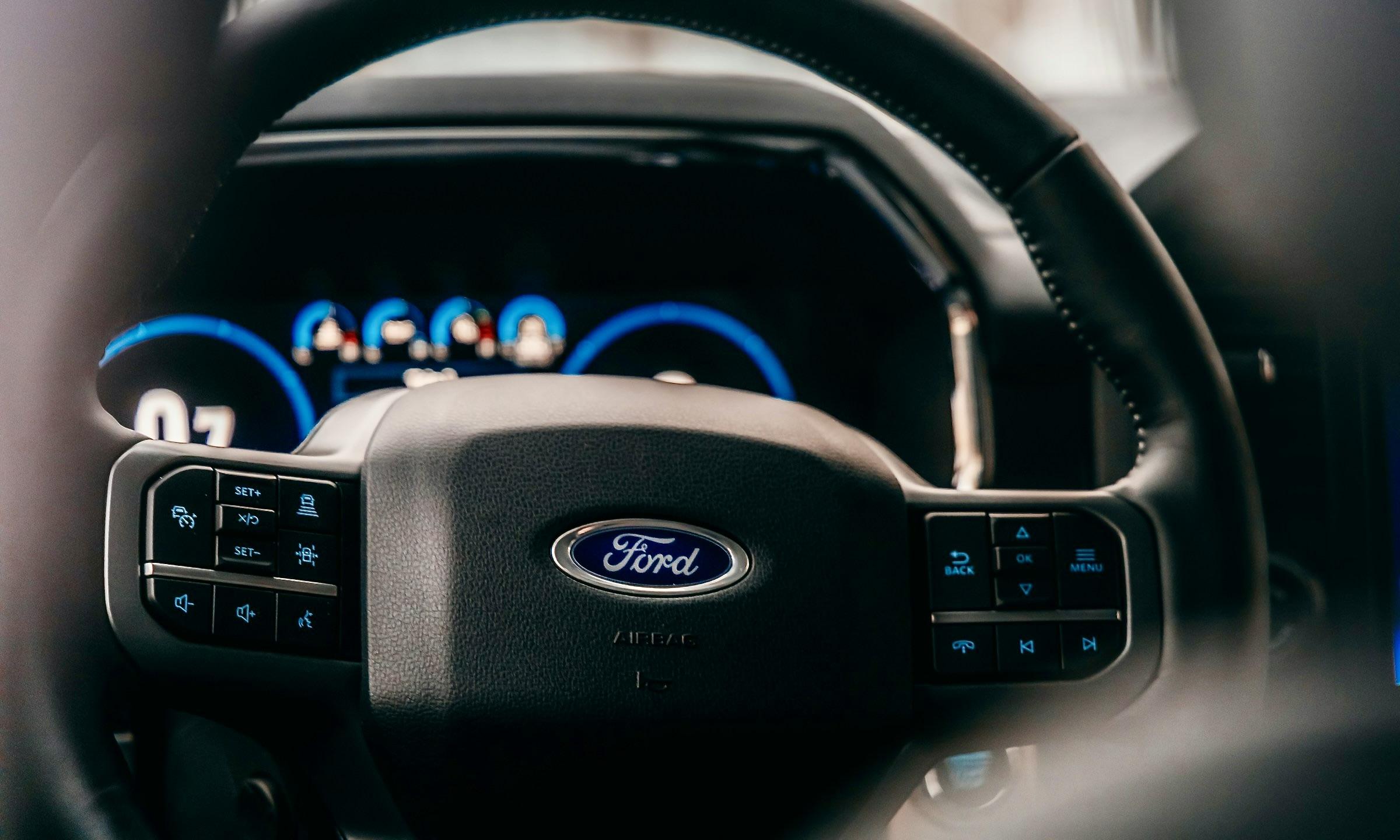
Ford Motor Company has decided to withdraw a planned program that would have enabled dealers to offer a $7,500 federal tax credit on electric vehicle (EV) leases after the credit’s expiration on September 30. The move follows a similar decision by General Motors earlier this week, signaling a strategic shift among major U.S. automakers in response to policy scrutiny and evolving EV market dynamics.
A Ford spokesperson confirmed the company “will not claim the EV tax credit but will maintain the competitive lease payments we have in the market today.” The program was originally designed through Ford Credit, the company’s in-house financing arm, which would purchase EVs from dealer inventory and apply the $7,500 credit toward more affordable lease terms for customers.
GM had planned a nearly identical approach but reportedly ended its initiative following concerns raised by Republican Senator Bernie Moreno of Ohio, a former car dealer active in automotive policy. The specific reason behind Ford’s cancellation remains unclear, though both companies had coordinated their strategies with the Internal Revenue Service (IRS) prior to the decision, according to previous Reuters reports.
While Ford and GM have halted their programs, other automakers such as Hyundai and Stellantis continue to offer cash incentives to offset the loss of the federal credit. Ford still provides financing incentives for buyers, including 0% interest for 72 months on select EV models.
Industry leaders remain divided on the implications. Ford CEO Jim Farley has warned that EV demand could drop significantly without the tax credit, while Hyundai Motor North America’s CEO maintains confidence in the market’s long-term resilience.
The move underscores the challenges facing U.S. automakers as they navigate regulatory shifts, fluctuating consumer demand, and increasing competition in the electric vehicle sector.







