


 South Korea, US Discuss Warship Building Cooperation
  Kremlin Says No Decision Yet on Putin-Trump December Summit
  U.S. Condemns China's Dominance in Global Shipbuilding and Maritime Sectors
  NATO Boosts Intelligence Sharing Amid Russia Hybrid Threats
  KiwiSaver shakeup: private asset investment has risks that could outweigh the rewards
  Apple Downgraded by Jefferies Amid Weak iPhone Sales and AI Concerns
  U.S. Stock Futures Rise as Trump Takes Office, Corporate Earnings Awaited
  Wall Street Falls as Treasury Yields Surge, Oil Rebounds on Iran Tensions
  Elliott Investment Management Takes Significant Stake in BP to Push for Value Growth
  Asian Currencies Mixed as Dollar Holds Near Two-Month High
  Fed Unveils Stablecoin Rules Under GENIUS Act
  North Korea Warns South Korea Over US-Led Defense Role
  Sudan Rejects US Legitimacy Remarks, Defends Sovereignty
  Ferrari Group to Launch IPO in Amsterdam, Targets Over $1 Billion Valuation
  Asian Stocks Fall as Bond Yields Surge Ahead of Trump-Xi Summit
  US, China Extend Trade Truce to Jan. 10 Ahead of Trump-Xi Summit
  US Stock Futures Fall as Treasury Yields Surge Ahead of Trump-Xi Summit


 Add as a preferred source on Google
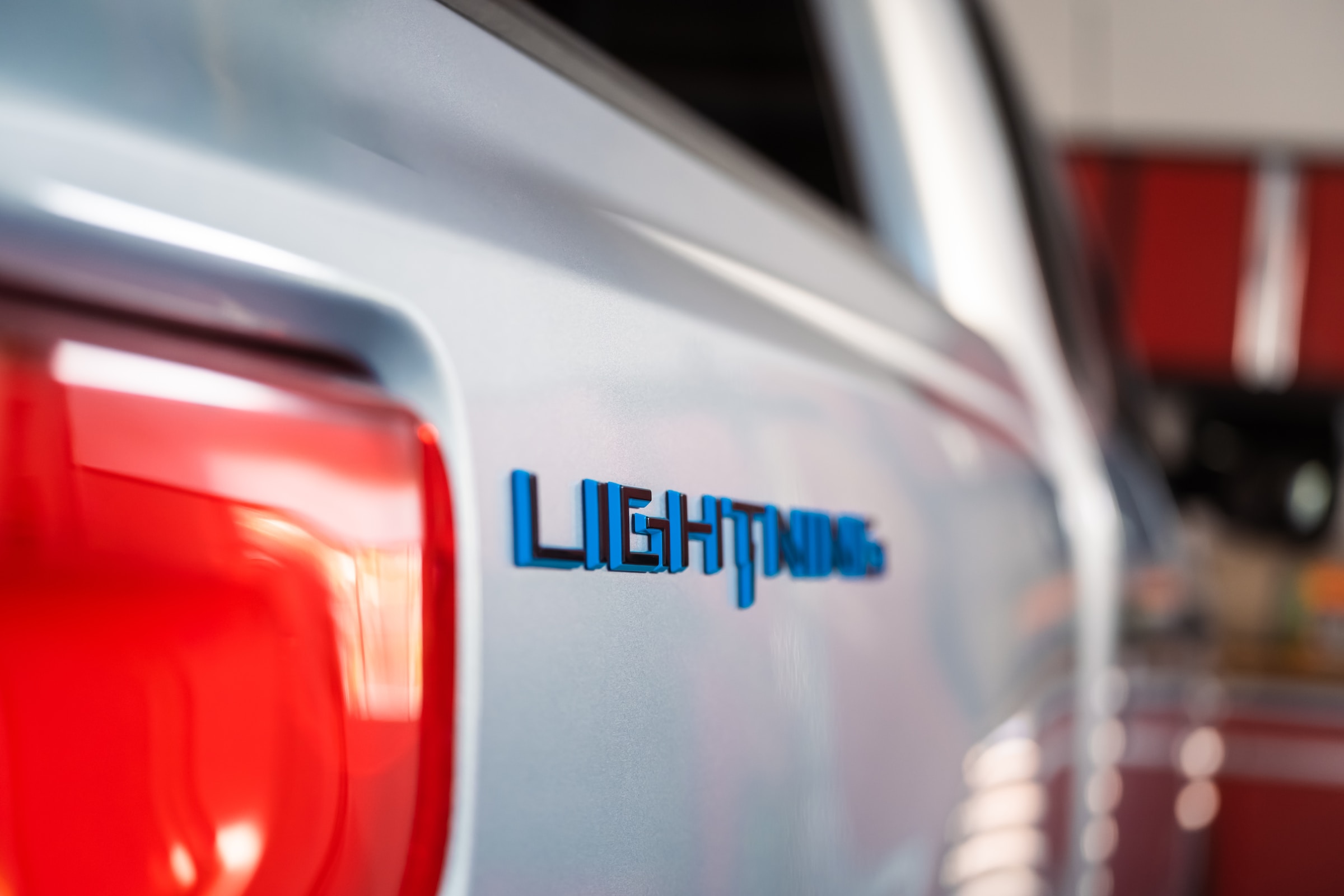
Ford Motor CEO Jim Farley and Executive Chairman Bill Ford recently met with U.S. lawmakers to discuss the company's controversial agreement with Chinese battery manufacturer CATL. The talks follow Republican criticism and an ongoing investigation into the automaker's decision to build a $3.5 billion battery plant in Michigan.
In response to this scrutiny, the chairs of two U.S. House of Representatives committees initiated an investigation into Ford's collaboration with CATL. U.S. Senator Gary Peters, a Democrat from Michigan, expressed his optimism for resolving concerns surrounding the plant after meeting with Farley. However, the details of their conversation remain confidential.
Ford's decision to invest $3.5 billion in a Michigan battery plant utilizing CATL's cutting-edge technology was announced in February. Despite the magnitude of this decision, the automaker declined to comment on the recent meetings, citing the breadth of topics discussed.
Representative James Comer, along with other members of the Kentucky delegation, met personally with Bill Ford earlier this week. The lawmaker's spokesperson did not disclose the nature of their interaction.
The House Ways and Means Committee and the Select Committee on China, chaired by Jason Smith and Mike Gallagher, respectively, addressed a letter to Ford Motor, raising concerns regarding the potential implications of the licensing agreement. The letter expressed apprehension that the deal may result in the relocation of battery technology, resources, and personnel from the People's Republic of China (PRC). At the same time, the tax credits and financial returns flow back to CATL.
Ford Motor has explicitly stated that it intends to build and operate the Michigan battery plant locally, distinguishing itself from competitors who import lithium iron phosphate (LFP) batteries from China. It is worth noting that the Inflation Reduction Act, passed by Congress in 2022, prohibits future electric-vehicle tax credits if any battery components are manufactured or assembled by a "foreign entity of concern." Ford actively seeks guidance from the U.S. Treasury to ensure compliance with this requirement.
Observing these developments, other automakers closely monitor Ford's eligibility for tax incentives concerning the Michigan plant's batteries. If Ford receives approval, other automakers are expected to follow suit and pursue similar agreements.
Photo: Cyrus Crossan/Unsplash







