


 UAE Central Bank Probes Banque Misr Over Iran Links
  Japan Firms Ramp Up Yen Hedging as Currency Weakness Persists
  Oil Prices Fall as Middle East Ceasefire Hopes Rise
  Bessent Defends US Yen Intervention Over Treasury Market Risks
  Tokyo Inflation Rises in August as BOJ Rate Hike Bets Grow
  Fed Chair Warsh Faces Key Jackson Hole Test
  Oil Prices Slip on Venezuela Supply, Iran Tensions
  Asian Currencies Steady Ahead of Warsh Speech
  Sweden Retail Sales Slip 0.2% in July
  Pentagon Eyes 100-Year Lease on Venezuela Oil Fields
  Oil Prices Slip as Venezuela Supply Prospects Weigh on Market
  Dollar Steady Ahead of Jackson Hole as Yen Holds Firm
  US Stock Futures Flat as Nvidia Rally Fades, Fed Speech in Focus
  Gold Prices Rise Toward $4,650 Ahead of Warsh’s Jackson Hole Speech
  Bank of Korea Raises Rates to 3% as Inflation Stays Sticky


 Add as a preferred source on Google
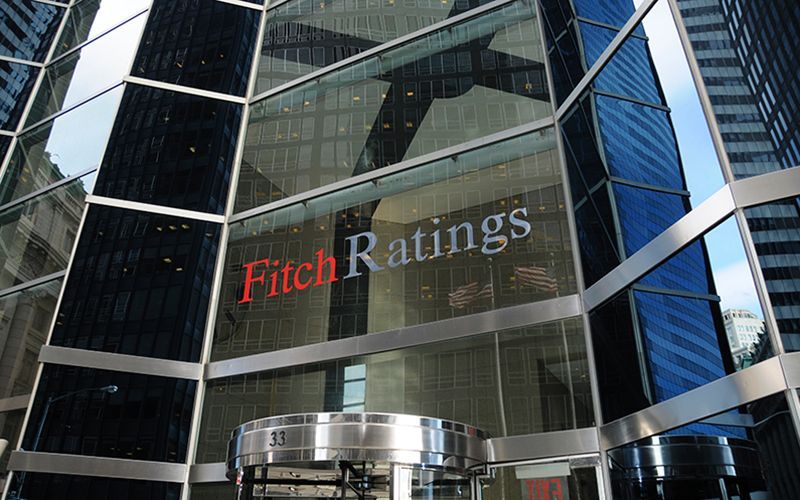
Despite Brazil’s strong economic performance, Fitch Ratings cautioned on Thursday that it has not translated into improved public finances. The agency anticipates challenges in 2025 and forecasts a steeper rise in the country's public debt.
Fiscal Stance and Growth Concerns
Fitch highlighted that Brazil’s recent economic growth may be partially driven by the government's fiscal policies. The ratings agency warned that if fiscal health is weak during periods of economic strength, it could further deteriorate in the event of an unexpected slowdown. This dynamic is a "macroeconomic vulnerability constraining Brazil’s 'BB'/Stable sovereign rating," Fitch stated.
Lula’s Meetings and Fiscal Forecast
While all three major credit rating agencies have either upgraded Brazil’s rating or improved its outlook since President Luiz Inacio Lula da Silva took office, the country remains two notches away from regaining its investment-grade status. President Lula recently met with representatives from Standard & Poor’s and Moody’s in New York to present Brazil’s financial outlook firsthand.
In the Thursday report, Fitch described some government measures to raise revenue as "improvisational," signaling a commitment to fiscal targets without structural reforms. The agency forecasts the government will achieve its fiscal target of a primary deficit at zero this year, but revised its 2024 primary deficit projection to 1% of GDP, up from 0.7%.
Rising Debt and Credit Constraints
Brazil’s gross debt-to-GDP ratio is expected to rise to 77.8% this year, from 74.4% in 2022, and is projected to reach 83.9% by 2026. Fitch notes that this increase is faster than previously forecasted, further widening the gap to the 'BB' category median of 55%. While Brazil’s economy remains resilient, its fiscal challenges and rising debt continue to hinder the path to a stronger credit rating.







