


 Saudi Arabia Shuts East-West Oil Pipeline After Drone Attack
  Taiwan Thanks US for Support Ahead of Trump-Xi Summit
  Venezuela Nears Deal to Move $4 Billion in Gold to New York Fed
  North Korea Rejects Nuclear Test Warning, Calls Nuclear Status Irreversible
  Najib Razak Granted House Arrest Until 2028
  Paramount-Warner Bros $110 Billion Deal Draws Antitrust Backlash
  Nvidia-Groq AI Chip Deal Faces U.S. Antitrust Probe
  Appeals Court Rejects Trump Third-Country Deportation Policy
  Judge Blocks Trump Rule Limiting Foreign Student Visas
  LVMH-Hermès Dispute Deepens Over Secret 2002 Share Deal
  Australia Tightens Student Visa Rules, Targets Migration Cut by 2028
  Ukrainian Drone Attacks Hit Russian Regions, Injuring at Least 12
  Trump Bans CNN, MS NOW and Politico From White House
  Trump Asks Supreme Court to Restore Third-Country Deportations
  Synthetic data could ease people’s concerns about privacy breaches. But who gets to create it?
  Meta Found Liable in New Mexico Facebook Data Privacy Case
  White House Bars CNN, MS NOW and Politico Reporters


 Add as a preferred source on Google
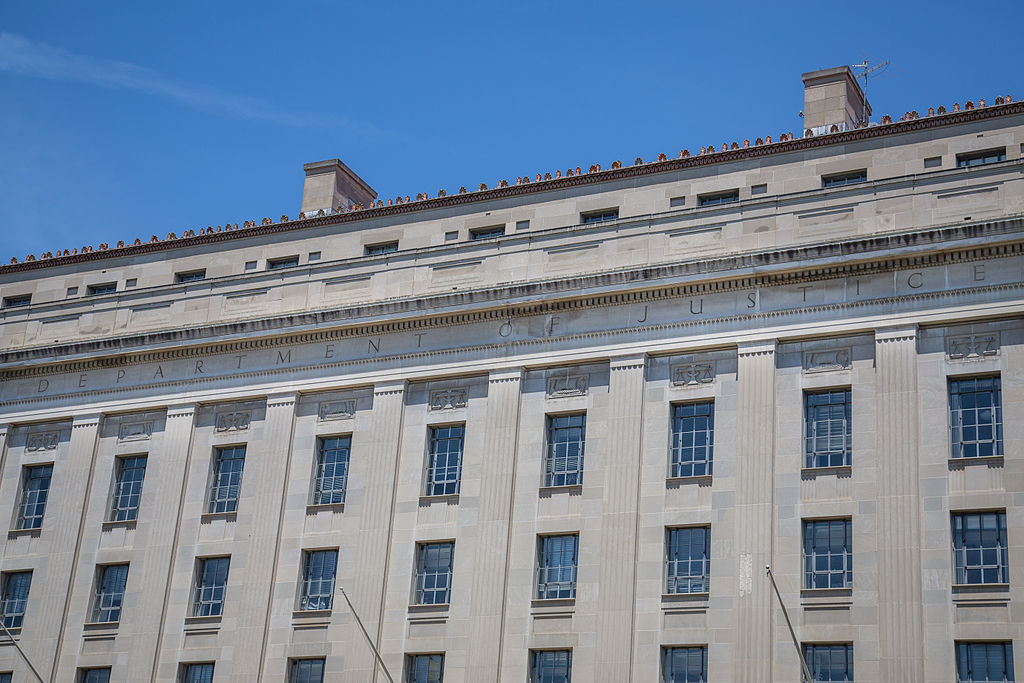
A federal judge in Chicago has dismissed a lawsuit filed by the U.S. Justice Department accusing Illinois and Chicago of obstructing President Donald Trump’s efforts to enforce federal immigration laws. The ruling marks a significant setback for Trump’s campaign to challenge “sanctuary” policies across the U.S.
U.S. District Judge Lindsay C. Jenkins, appointed by President Joe Biden, ruled that Illinois’ TRUST Act and Chicago’s 2012 ordinance—which restrict cooperation with federal immigration enforcement—do not violate the U.S. Constitution’s Supremacy Clause. Instead, Jenkins cited the Tenth Amendment, which reserves powers not delegated to the federal government for the states, protecting local autonomy in immigration-related enforcement decisions.
Trump, who has vowed to deport millions of undocumented immigrants, has repeatedly clashed with Democratic-led cities like Chicago over sanctuary policies. Supporters of these laws argue that cooperating with federal immigration enforcement discourages undocumented residents from reporting crimes or cooperating with police, undermining public safety. Critics, including Trump and his allies, claim such policies shield individuals in the country illegally from accountability.
The Justice Department filed the lawsuit in February, alleging the state and city laws conflicted with federal immigration authority. Similar lawsuits are ongoing against New York City and Los Angeles as Trump intensifies his crackdown on local sanctuary policies while campaigning for broader deportations.
The dismissal is a legal victory for Illinois and Chicago, reinforcing their right to limit participation in federal civil immigration enforcement. The ruling could also influence pending cases in other sanctuary jurisdictions. The Justice Department and White House have not yet commented on the decision.
This decision underscores the ongoing legal battles over immigration enforcement powers between federal and local governments amid heightened national debate on immigration policy.







