


 Vietnam’s Trade Surplus With US Jumps as Exports Surge and China Imports Hit Record
  Fed Governor Lisa Cook Warns Inflation Risks Remain as Rates Stay Steady
  Bank of Japan Signals Readiness for Near-Term Rate Hike as Inflation Nears Target
  Singapore Budget 2026 Set for Fiscal Prudence as Growth Remains Resilient
  U.S. Stock Futures Slide as Tech Rout Deepens on Amazon Capex Shock
  Asian Stocks Slip as Tech Rout Deepens, Japan Steadies Ahead of Election
  Trump Lifts 25% Tariff on Indian Goods in Strategic U.S.–India Trade and Energy Deal
  South Korea’s Weak Won Struggles as Retail Investors Pour Money Into U.S. Stocks
  Trump Allows Commercial Fishing in Protected New England Waters
  Gold Prices Slide Below $5,000 as Strong Dollar and Central Bank Outlook Weigh on Metals
  UAE Plans Temporary Housing Complex for Displaced Palestinians in Southern Gaza
  BOJ Rate Decision in Focus as Yen Weakness and Inflation Shape Market Outlook
  Global Markets Slide as AI, Crypto, and Precious Metals Face Heightened Volatility
  Trump Endorses Japan’s Sanae Takaichi Ahead of Crucial Election Amid Market and China Tensions


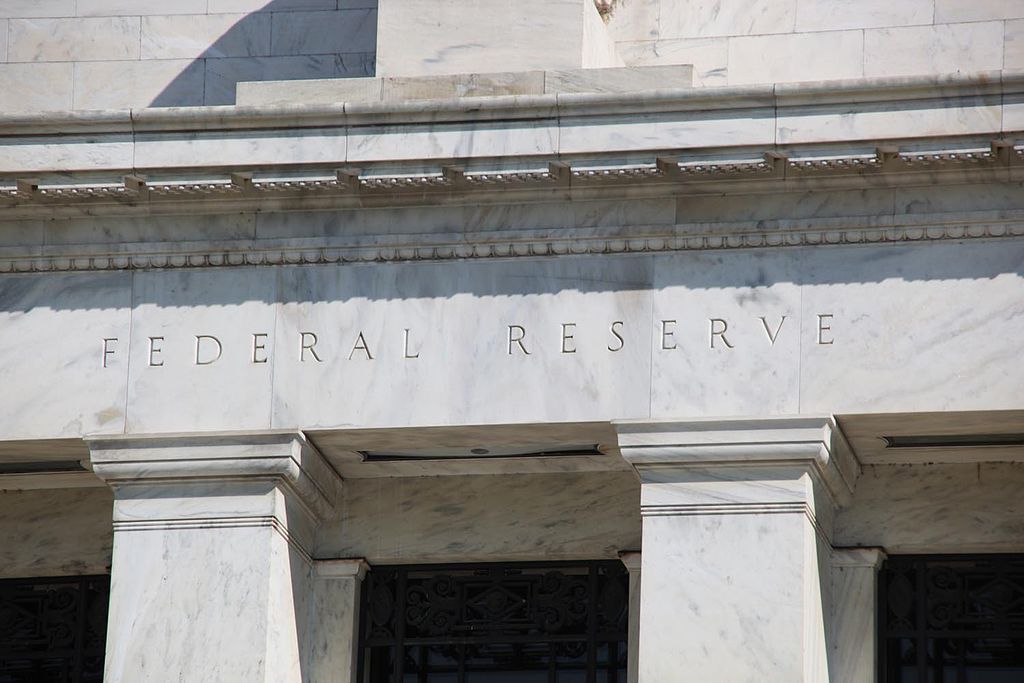
The Federal Reserve is maintaining current interest rates as officials assess the economic impact of President Donald Trump’s escalating tariffs and trade policies. Fed policymakers, including Chicago Fed President Austan Goolsbee, highlighted the difficulty of interpreting mixed economic signals, with Goolsbee stating, “We’re still kind of holding our breath,” in an NPR interview.
April’s consumer price index showed a modest 2.3% annual increase—its slowest pace in four years—mainly due to falling food prices. However, core inflation, excluding food and energy, remained elevated at 2.8%, signaling persistent pressure above the Fed’s 2% target.
Despite this, Fed Chair Jerome Powell and other officials have reiterated a cautious approach. The central bank has kept rates steady in the 4.25%-4.50% range across its three meetings this year, emphasizing the need for patience.
San Francisco Fed President Mary Daly reinforced this stance, citing regional business resilience despite trade-related uncertainty. Daly noted that while areas like Nevada feel pressure from potential declines in international tourism, others, including Utah and Alaska, maintain robust pipelines of economic activity.
Vice Chair Philip Jefferson echoed similar sentiments, suggesting that first-quarter GDP contraction was overstated due to import data distortions. He acknowledged weakening business sentiment but still views the labor market as strong.
However, Jefferson warned that sustained tariffs could reverse progress on disinflation, potentially driving prices higher. The impact will depend on consumer price pass-through, supply chain shifts, and broader economic dynamics.
Markets anticipate the Fed may pivot to rate cuts by September, depending on incoming data. Until then, the Fed remains on hold, closely monitoring inflation trends, trade policy, and consumer confidence as it navigates a highly uncertain economic landscape.













