


 Disaster or digital spectacle? The dangers of using floods to create social media content
  Yes, government influences wages – but not just in the way you might think
  Carney’s Trump Tariff Pushback Wins Canadian Support, but Economic Risks Mount
  Yindjibarndi Appeals Fortescue Mining Compensation Ruling
  Adidas, Puma Shares Fall as Dick’s Sporting Goods Cuts Outlook
  OpenAI Data Center Chief Chris Malone Exits Ahead of Planned 2027 Listing
  Nvidia Reportedly Eyes $13 Billion Hugging Face Acquisition
  Google promotes ‘teacher approved’ apps for kids. Here’s what parents should know
  Gold Prices Rise Toward $4,650 Ahead of Warsh’s Jackson Hole Speech
  AI is driving down the price of knowledge – universities have to rethink what they offer
  Tesla Raises Cybertruck Prices by $5,000 in US
  Trump Administration Plans New Drug Pricing Deals With Biotech Firms
  Hong Kong Home Prices Fall 0.5% in July, Ending Long Winning Streak
  Heritage, desire and diplomacy: why China still values scotch whisky
  Trian Drops Wendy’s Take-Private Bid Plans, Shares Plunge 14%
  Want to cut your energy bills? Here’s how five experts are doing it


 Add as a preferred source on Google
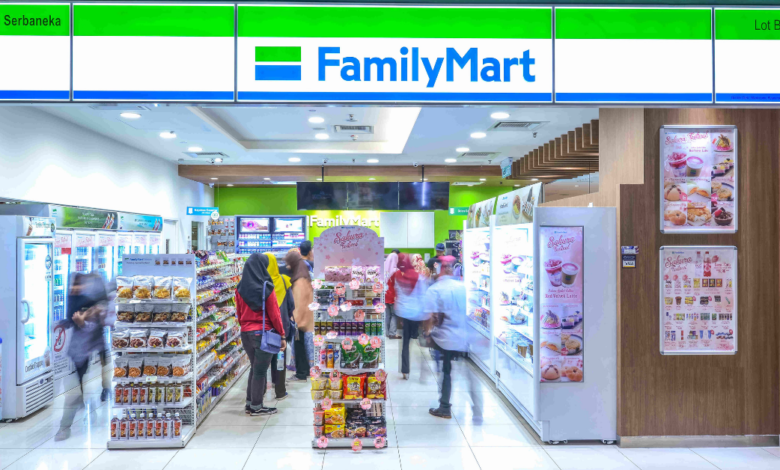
FamilyMart Malaysia aims to roll out 300 halal-certified FamiCafe stores by 2025 as it stopped alcoholic beverage sales in all of its 360 stores around the country.
The alcoholic beverage removal program started last month.
According to Chia Lik Khai, MD of QL Maxincome Sdn Bhd, as alcoholic beverages have only been a small contributor to their business, they are expecting little impact.
FamiCafe in Menara U, Shah Alam, has received halal certification from Jabatan Kemajuan Islam Malaysia (JAKIM), the first convenience store cafe concept in Malaysia to receive this certification.
The company plans to increase its number of FamiCafe stores from 16 to 50 by the end of this year.
FamilyMart says that obtaining halal certification in their stores is the next step in providing greater assurance and confidence for customers to shop and dine with them.







